
How to identify dry rot and wet rot

How To Identify Dry Rot And Wet Rot

Timber is used throughout houses and buildings to help create the structure of the property; however, it is a vulnerable material that needs to be protected. One of the main threats you need to keep an eye out for is wet and dry rot. This guide will show you how to identify dry rot and wet rot and let you know a bit about treating them. Both wet and dry rot are forms of fungal decay that can cause structural damage to buildings. Dry rot is the most serious form of wood rot and can cause the most damage, spreading across your property and destroying the timber. Wet rot is less serious but more common, this will be confined to the area where the wood is damp. If you suspect you have either, you should consult with a wet or dry rot control company.

What is Wood Rot?

Wood rot is a serious issue that affects many properties, compromising both the appearance and the structural integrity of buildings. At its core, wood rot is a form of fungal decay that targets timber, breaking down the wood fibres and weakening the material. There are two main types of wood rot to be aware of: wet rot and dry rot. Wet rot refers to a group of fungi that thrive in persistently damp conditions, often caused by leaks or poor ventilation. Dry rot, on the other hand, is a specific and more aggressive fungus that can spread rapidly, even through masonry, causing extensive damage. Recognising the differences between wet rot and dry rot is essential for effective rot treatment and for protecting your property from further harm. By understanding how these types of rot develop and spread, you can take the right steps to prevent fungal decay and maintain the safety and value of your home.

How Can I Identify Wet Rot?

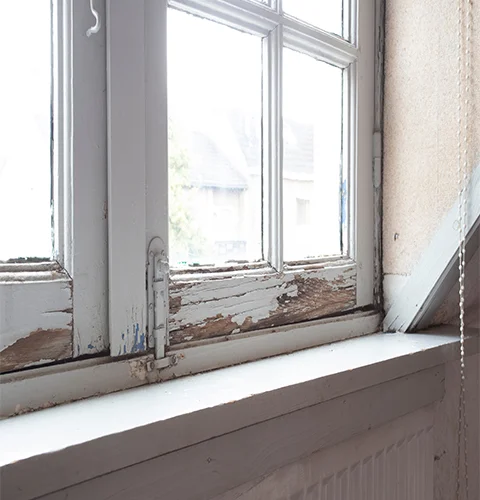
To identify wet rot, look out for the following signs:
  • Black fungus on timber
  • Timber that feels wet and spongy and that looks discoloured
  • The paint finish is damaged, although this is not the case in all instances
  • Flaky paint
Wet rot can often be found in areas such as window frames, where moisture can easily penetrate and affect the timber. Wet rot is caused by Coniophora puteana (cellar fungus) and Fibroporia vaillantii (mine fungus), which are common species responsible for this decay in damp environments. The presence of wet rot fungus leads to the rotting of timber, often accompanied by a distinctive, damp, musty smell, which is a key indicator of moisture problems and timber decay.

How Can I Identify Dry Rot Affected Wood?

One of the first signs to look out for is a distinctive musty smell, often described as damp and earthy, which can linger around affected timber. As dry rot progresses, the wood may develop a lemon-yellowish tinge and become dry, brittle, and cracked. You might also notice cotton wool-like fungal growth on the surface, which is a clear indicator of dry rot fungus at work. Unlike wet rot, dry rot can spread rapidly, moving beyond the initial area and causing widespread damage if left untreated. Early identification is crucial—catching dry rot in its early stages can prevent the fungus from compromising the structural integrity of your property and help you avoid more extensive repairs down the line. Spotting dry rot early can save you from costly repairs and major structural damage.

Signs of Dry Rot Spread

Before we look at the list, it’s important to note that the signs of dry rot can often be hidden or subtle. Inspecting for these signs of dry rot is crucial, as symptoms may not always be immediately visible.
  • The fungus will create deep cracks that run across the grain
  • You might see white sheets (also known as mycelium growth) across the wood
  • When exposed to light, the fungus will look lemon-yellow
  • The timber will look brown in colour, and it will crumble easily, as the dry rot is feeding on the timber. This affected wood, often the wood affected by brown rot fungi, shows a brittle texture and a darker shade compared to healthy timber.
  • You may notice a distinctive dry rot smell, which can vary depending on the extent of the decay and the type of wood affected.
  • If the floor feels bouncy, creaks, or sags, this can be a sign that dry rot has compromised the structural integrity of the flooring.
  • Although the dry rot will usually be restricted to the timber, in some cases flat mushroom-like bodies, known as fruiting bodies or a fruiting body, can grow through finishes such as plaster/ paint, releasing spores to spread the fungus further.

What Are the Differences Between Dry Rot and Wet Rot?

Understanding the differences between dry rot and wet rot is key to effective rot treatment and prevention. The primary distinction lies in the moisture content required for each type of fungal decay to thrive. Wet rot fungi need a high moisture content—typically around 50%—to grow, so they are usually found in areas with persistent damp, such as around leaking pipes or poorly ventilated spaces. Dry rot, however, can develop in timber with a moisture content of around 20%, making it a threat even in less obviously damp conditions. Dry rot is also more aggressive, capable of spreading rapidly across structural timbers and even through masonry, leading to significant damage. In contrast, wet rot tends to remain confined to the area of damp timber and does not spread as quickly. Recognising these differences helps you identify the type of rot affecting your property and choose the most effective treatment to protect your home from further fungal decay.

How Can I Get Rid of Dry And Wet Rot (Wet & Dry Rot Treatment)

Effective wet or dry rot control begins with removing the source of moisture that created the condition for rot and fungal growth in the first place; this might involve mould control. The next step is removing plaster and timber that is infected with the rot and spores, following with fungicide treatment and fixing any structural integrity issues. This could involve timber replacement. If you would like to speak to our dry rot control company in London, get in touch for a consultation.

Environ Property Services Damp & Structural Restoration Solutions

Dampness, leaks, and structural wood damage can quickly grow into serious problems: rotten wood, weakened foundations, and widespread fungal decay. At Environ Property Services, we offer comprehensive restoration service that tackles the root of the issue and not just the visible symptoms. Our team can expertly integrate damp-proofing, and structural restoration to deliver a robust solution that secures your property both now and for the future. Our approach begins with a thorough damp survey, identifying whether rising damp, penetrating damp, or condensation is at play. We follow with a tailored treatment solution. This comprehensive strategy ensures no moisture or fungal attack goes unchecked. As a family run business in London, Environ Property Services is grounded in integrity and renowned for quality and trust. We restore structural dignity and resilience. Choose Environ Property Services today and benefit from our decades of expertise in property preservation in London.

How to Prevent Wood Rot

Preventing wood rot starts with proactive maintenance and regular inspections of your property’s timber. Addressing sources of damp—such as penetrating damp, defective plumbing, or poor ventilation—is essential to keep moisture content in check and stop fungal decay before it starts. Ensuring good airflow throughout your home helps timber stay dry and less susceptible to both wet rot and dry rot. Regularly checking for early signs of rot, such as discolouration or a musty smell, allows you to catch problems before they escalate into major structural damage. If you do find affected timber, it’s important to act quickly: remove the source of moisture, replace or treat the damaged wood, and apply appropriate fungicidal treatments. By staying vigilant and maintaining your property, you can significantly reduce the risk of wet rot and dry rot, protecting your home’s structural integrity for years to come.

Health Risks

Wood rot is not just a threat to your property—it can also pose health risks, especially for those with respiratory conditions. The spores released by fungal decay, including both wet rot and dry rot, can aggravate asthma and other breathing problems. The persistent musty smell that often accompanies wood rot can make living spaces uncomfortable and may indicate the presence of airborne fungal spores. In severe cases, untreated wood rot can lead to major structural problems, making a building unsafe for occupation. Promptly addressing any signs of rot and maintaining a dry, well-ventilated environment can help protect both your health and your home. Regular inspections and timely repairs are key to preventing the spread of rot and the associated health risks.

The Serious Consequences of Leaving Wood Rot Untreated

If left untreated, wet rot can spread extensively through your property’s timber, weakening its structural integrity and causing parts like skirting boards and flooring to deteriorate. Untreated wet rot thrives in areas with enough moisture, gradually breaking down the wood fibers and causing it to feel soft, damp, or brittle to the touch. Over time, wet rot growth may lead to sagging floors, warped door frames, and the need for costly repairs. If you don’t treat wet rot, it may create the perfect environment for a dry rot outbreak, which is far more aggressive and destructive. A dry rot outbreak introduces additional dangers, as dry rot spores can travel through air and even penetrate brickwork, seeking out infected timbers to feed on. This leads to rotten wood in previously unaffected areas and a rapid increase in structural damage. Ignoring wet rot problems can give rise to extensive wood destroying fungi, releasing spore dust into your living space, which could pose health risks. Whether it’s dry rot or wet rot, the decay won’t stop on its own. You’ll need to treat it effectively. A wood hardener may help.

Conclusion

Wet rot and dry rot are more than just surface-level issues; they are destructive forms of wood decay caused by excess moisture and fungal growth that can seriously compromise the structure and safety of your home. Knowing how to identify early signs like discoloured, soft, or cracked timber, a musty smell, or visible fungal growth can make all the difference. By acting quickly to treat wet rot or treat dry rot, you not only stop the spread of these wood destroying fungi but also save yourself from costly repairs and potential health risks. Early prevention is key, whether it’s replacing infected timbers, improving ventilation, or removing the source of excess moisture. If you suspect a problem, don’t delay getting expert help.

FREQUENTLY ASKED QUESTIONS

Telling the difference between wet rot and dry rot begins with observing the condition of the wood. Wet rot typically causes timber to feel soft, spongy, or damp to the touch and may appear darker or show signs of flaking paint.

It usually stays localised in areas with excess moisture. Dry rot, on the other hand, is more aggressive and causes the wood to become dry, brittle, and cracked. You may also notice cotton wool-like fungal growth or a strong musty smell.

The “roots” of rot refer to the fungal strands, also known as hyphae or mycelium. Wet rot usually doesn’t produce extensive root-like growth because it remains confined to moist areas.

Dry rot roots are far more invasive, appearing as thick white strands that can penetrate plaster, bricks, and hidden timber.

This is what makes dry rot outbreaks particularly dangerous, as the fungus can travel away from the original moisture source.

Yes, there are practical ways to test for dry rot. A common approach is gently prodding the wood with a screwdriver. When you do this, a dry rot-infected timber will crumble or break easily due to its brittleness.

You can also look for mycelium growth, spore dust, or fruiting bodies. Professional inspectors may use moisture meters or infrared imaging to detect hidden moisture levels and dry rot activity within walls or under flooring, especially if dry rot is suspected in hard-to-reach areas.

Dry rot causes the wood to shrink, darken, crack, and crumble easily. You will also notice fungal growth or a musty smell nearby. Termite damage, on the other hand, often appears as hollowed-out wood with visible tunnels, sometimes lined with mud.

You may find discarded wings or small piles of termite droppings near affected areas. If you are unsure, it’s wise to contact a specialist, as treatment for dry rot and termite infestations requires different approaches.

Yes, roofers increasingly use drones to complete roof inspections. Drone roof inspections save time because they don’t require scaffolding, ladders, or roofers to physically climb onto the top of the roof. This means the process is also safer. Moreover, high-tech drones can identify roofing problems even from a distance, making roof inspections faster and more accurate.

When carrying out drone roof surveys, roofers inspect your property’s roof covering to check its age and condition, and make recommendations on the need for repairs or replacement, either now or at some point in the future. They can also compare the condition to roofs of other similar properties.

Here are the broad-brush steps to using a drone for surveying:

  • Select the right drone for the task.
  • Purchase appropriate software.
  • Plan the flight.
  • Check the settings on the camera.
  • Fly and review the area to be surveyed.
  • Process the resulting images.

The more sophisticated the equipment, the more accurate the survey will be. The best equipment can produce sharp, crisp images that are accurate down to the very last millimetre.

At Environ Property Services, we use state-of-the-art drones that can offer a high degree of accuracy, much more so than doing the job manually with ladders or scaffolding.

Drones are capable of getting a clear, aerial view of your rooftop and take detailed images of it. They are also designed to take precise measurements of your roof. Nowadays, many drones used in roof surveying are equipped with roof-measuring apps and programs that can provide highly accurate roof measurements.

Types Of Damp And How To Treat Them

Navigating Dampness in Top Floor Rooms: A Comprehensive Guide to Leak Identification and Solutions

Dampness on the upper walls of top-floor rooms is a prevalent issue in London, often resulting from leaks in roofs or gutter systems. This problem, if addressed, can lead to significant damage and costly repairs. As a specialist damp surveyor with over 15 years of on-site investigative experience, I have encountered numerous cases where identifying the root cause of dampness has been pivotal in safeguarding the structural integrity of buildings. In this post, we’ll explore the importance of root cause analysis, safe inspection methods, and why choosing the right professionals is critical for effective resolution.

The Crucial First Step in Identifying the Root Cause

The key to effectively addressing dampness lies in understanding how moisture has infiltrated the building. Whether damp patches are due to cracked tiles, faulty guttering, or other defects, pinpointing the exact cause of moisture ingress is essential. Please do so to avoid misdiagnosis, unnecessary expenses, and persistent damp issues.

The Dangers of Roof Access

It’s important to remember that roof access is not only challenging but also dangerous. Walking on a roof without proper working-at-height experience can result in accidents and further damage to the property. Safety should always be the top priority.

Choosing a Trustworthy Roofing Company

Unfortunately, the roofing industry is not immune to disreputable practitioners. To ensure the safety and quality of the work on your property, it’s imperative to choose a roofing company accredited by the National Federation of Roofing Contractors (NFRC). An NFRC accreditation signifies that the roofer adheres to a rigorous code of practice, ensuring that they are trustworthy and competent.

The Role of Drone Technology

An innovative solution to the risks associated with roof inspections is the use of drone technology. Employing a drone pilot to take detailed orbit shots of the roof, chimneys, interior walls, parapets, and gutters offers a safe and accurate method for identifying potential issues. This approach not only eliminates the danger of personal injury but also provides a comprehensive overview of the condition of hard-to-reach areas.

What causes dampness?

It is the simplest to describe the phenomenon as the result of condensations. With the temperature lowering, condensation increases, resulting in moisture on window doors every day, which causes mould and damping. You’ll first notice a tiny droplet appearing on your window edges. It’s all a start, and action must take place to get rid of it right away. But there are other reasons for dampness. The causes may include leaks or leakages, often exacerbated by inadequate cavity wall insulation.

Preventive Measures Against Dampness

Preventing dampness in a property is crucial for maintaining its structural integrity and ensuring a healthy living environment. Dampness can lead to a host of problems, including mould growth, damage to building materials, and an increase in allergens. However, with regular maintenance and vigilance, property owners can significantly reduce the risk of damp issues. Here are some essential preventive measures:

Ensure Proper Ventilation

One of the simplest yet most effective ways to prevent dampness is by maintaining good air circulation within the property. High levels of humidity and moist air can contribute to the development of damp conditions, making ventilation crucial. Consider using dehumidifiers in high-moisture areas like bathrooms and kitchens. Additionally, ensure that vents, especially those for dryers and exhaust fans, are not blocked, allowing air to flow freely and reducing moisture levels.

Regular Roof Inspections

The roof is your property’s first line of defence against rain and snow, which are common causes of dampness. Conduct bi-annual inspections to check for missing, damaged, or slipped roof tiles that could allow water ingress. After heavy storms or snowfalls, it’s best to perform additional checks to address any new damage quickly so that water is not seeping into the building.

Gutter Maintenance

Gutters and downpipes play a vital role in directing rainwater away from your property. Regularly cleaning these components can prevent blockages, which might lead to water overflowing and penetrating the ground-level building envelope. Please make sure that gutters are clear of leaves, twigs, and other debris to maintain adequate water flow.

External Walls Inspection

Inspect external and internal walls periodically for cracks or signs of deterioration. Environmental factors and wear and tear can damage walls over time, making them susceptible to water seepage. Repointing and sealing any gaps not only enhances the appearance of your property but also serves as a preventive measure against dampness.

Damp Proofing

For properties, especially older ones, it may be necessary to install or upgrade damp-proof courses on bedroom walls. These barriers are designed to prevent rising dampness, where water from the ground ascends through the walls. Consulting with a professional can help you determine the best damp-proofing method for your property, ensuring long-term protection.

The Advantages of a Holistic Approach

Once the source of the dampness has been identified and rectified, many cases can be resolved without the need for invasive damp treatments. Traditional methods, such as tanking systems, often do more harm than good by redirecting excess moisture back to other parts of the property, leading to ongoing issues and potential structural risks. A holistic approach focused on fixing the root cause of dampness can save property owners thousands of pounds and prevent the misdiagnosis often perpetuated by less reputable companies.

Legal Considerations and Building Codes

Dealing with dampness is not only a matter of property maintenance but also involves understanding the legal and regulatory framework. Compliance with local building regulations and awareness of one’s rights and responsibilities can guide the practical and lawful management of dampness issues.

Building Regulations

Local building codes and regulations set standards for construction and maintenance, including measures for damp proofing. Familiarising yourself with these regulations is essential, especially when installing wet-proof courses or undertaking significant renovations. Compliance ensures that your property adheres to safety and health standards, protecting both the occupants and the structure itself from rising damp.

Planning Permissions

For properties within conservation areas or listed buildings, specific repairs or alterations may require planning permission. This includes work aimed at damp-proofing or altering the building’s exterior. Before commencing such work, check with your local planning authority to ensure that your plans comply with local regulations and to obtain the necessary permissions.

Warranty and Insurance

Review your home insurance policy to determine if it covers damp treatment. Additionally, new buildings often come with a warranty that may include coverage for wet treatment. Understanding the scope of damp problems, your policy and warranty can provide financial relief in the event of significant damp issues.

Neighbour’s Responsibilities

In cases where dampness originates from an adjoining property, it’s essential to know your legal rights. Many jurisdictions hold property owners responsible for preventing their property from causing damage, penetrating damp, to neighbouring properties. If dampness in your home is due to issues on a neighbouring property, you may have legal recourse to seek a resolution.

Understanding and adhering to these legal considerations and building codes can help property owners manage dampness issues effectively and within the law, ensuring the longevity and safety of their properties.

In summary, dealing with dampness in top-floor rooms requires a careful and informed approach. By identifying the root cause of moisture ingress, opting for safe inspection methods, and choosing NFRC-accredited professionals, property owners can effectively address damp issues. Utilising drone technology for inspections further enhances safety and accuracy. This comprehensive strategy not only resolves immediate damp problems but also prevents future damage, ensuring the long-term health and structural integrity of your property.

If you’re facing dampness and black mould issues in your London property, contact Environ Property Services. Our expertise and holistic approach to property care will provide you with the solutions you need, avoiding unnecessary costs and protecting your investment.

FAQ

Is dampness in the bedroom harmful to your health?

According to reports, people can sleep up to 26 years. Your room’s vitality is easy to see. Damp isn’t dangerous, but prolonged exposure to warm air can be. If someone is suffering a respiratory problem that isn’t treated immediately, it’s referred to as a medical emergency.

What causes condensation on walls and ceilings?

Condensation occurs if a room is too damp or hot and the air hits a cold surface. The cooling effect is rapidly produced, and drops are formed at nearby cold surfaces, too, including the windows/wall. Walls and ceilings can become prone to condensation due to being warmer than room air. Condensation is the biggest issue when steam comes into a room. It hits the cold wall and ceiling and is then blown through.

Does my home insurance cover damp treatment?

All insurance plans for homeowners vary but typically don’t include mud and moisture protection. This is because this is considered typical damage that may occur on a house and is, hence, a non-unexpected issue covered with insurance. When you purchase a new house insurance policy, you should make sure you agree to the following assumptions. The insurance company must declare damp after buying the policy as if you have wet, which signifies the residence isn’t well positioned for use.

Can dampness come up through floorboards?

Rising dampness is an essential cause of dampness under floorboards and wall surfaces in a house. It occurs most frequently when water enters various constructive components, most commonly building materials and structures.

damp survey guide in London

Navigating London’s wet climate: The essential guide to damp surveys

damp survey guide in LondonLondon’s notorious damp climate poses unique challenges for its iconic architectural heritage and the modern buildings that rise beside it. The insidious moisture creeping into homes can lead to structural issues, causing expensive damage if left unchecked. This makes damp surveys not just an option, but a necessity. Let’s dive into why.

Understanding the Cause

London’s geographic location subjects it to higher humidity, frequent rain, and the infamous London fog. This natural predisposition to moisture creates a breeding ground for damp-related issues in homes and other structures. Dampness in a building can arise from various factors, from leaking pipes to poor ventilation. The first step to combating dampness is understanding its root cause, which is where a comprehensive damp survey comes in.

The Consequences of Ignoring Dampness

Ignoring signs of dampness can lead to a host of problems. The most immediate are health concerns. Damp environments are conducive to mould growth, which can cause respiratory problems and exacerbate conditions like asthma. Moreover, persistent moisture can weaken the structural integrity of a building, leading to costly repairs or, in the worst-case scenario, making a building uninhabitable.

Damp Surveys: A Proactive Solution

Rather than waiting for visible signs of damage, homeowners and property managers should consider periodic damp surveys. These surveys can pinpoint potential problem areas long before they escalate, offering solutions that can save both money and peace of mind. Whether it’s suggesting better ventilation systems or identifying leaky roofs, these surveys are invaluable in safeguarding properties against London’s relentless moisture.

Navigating London’s wet climate requires more than just an umbrella. The unseen moisture that lurks within the walls of buildings necessitates proactive measures, and that’s where damp surveys prove indispensable. Remember, prevention is always better than cure.

However, attempting to cut corners or choosing the wrong professionals for a damp survey can lead to a cascade of issues. Below, we shed light on the potential pitfalls of not securing the services of a reliable damp survey expert.

  • Missed Warning Signs: Substandard surveys may overlook critical moisture pockets or early signs of dampness, leading to bigger problems down the line.
  • Inaccurate Reporting: Without proper expertise, you might get a report that misinterprets the severity of damp issues, causing either undue alarm or complacency.
  • Wasted Time and Money: Inferior surveys might necessitate repeated assessments, or worse, ineffective solutions that don’t address the real problem.
  • Health Hazards: Failing to accurately identify mould or other damp-related health threats can put occupants at risk.
  • Decreased Property Value: Unaddressed damp issues can significantly lower the market value of a property.

Dampness is a silent assailant, chipping away at both the value and safety of your property. Entrusting your property to experienced professionals like Environ Property Services Ltd ensures you get an accurate diagnosis and effective solutions.

Why trust Environ Property Services Ltd for your damp surveys?

When it comes to damp surveys in London, expertise makes all the difference. With Environ Property Services Ltd, you’re not just getting a survey; you’re receiving years of industry knowledge and a commitment to excellence. With prompt service and a keen eye for detail, your property is in the safest hands. Call us now on 0203 935 1596 or email service@environpropertyservices.co.uk to ensure your property remains damp-free.

Stay informed with our latest posts!

Thank you for reading this comprehensive guide. To delve deeper into the world of damp, explore our other damp-related blog posts such as UNVEILING HIDDEN THREATS: LONDON’S ESSENTIAL GUIDE TO DAMP SURVEYS. Stay in the loop and up to date by following us on our social media channels.

FAQs about damp survey in London

A damp survey is a comprehensive assessment conducted by trained professionals to identify areas within a property that are affected by dampness. It involves examining the extent of moisture-related issues, determining the underlying causes, and providing recommendations for appropriate solutions. This survey helps property owners understand the severity of the problem and take effective measures to prevent further damage.

The frequency of damp surveys depends on several factors, including the age of the property, its location, and its history of moisture-related problems. Generally, it’s advisable to have a damp survey conducted every few years as a preventive measure. If you notice visible signs of dampness, such as mould growth, musty odours, or damp patches on walls, ceilings, or floors, it’s essential to schedule a damp survey promptly to assess the situation and address the issues before they worsen.

No, a damp survey is not highly disruptive. Qualified damp survey professionals are skilled in conducting assessments with minimal disturbance to your property. They use specialised tools and techniques to examine areas prone to dampness, such as walls, floors, and ceilings. While some minor inconveniences may arise, such as the need to move furniture temporarily, the overall process is designed to be non-intrusive and efficient.

A regular property survey is a general assessment of a property’s overall condition, covering aspects such as structural integrity, potential defects, and valuation. On the other hand, a damp survey focuses specifically on issues related to moisture infiltration, dampness, and mould growth. Damp surveys delve into the root causes of moisture problems, provide targeted solutions, and help prevent or mitigate the potential damage caused by dampness.

While it’s possible to conduct a basic visual inspection for signs of dampness, a professional damp survey offers several advantages. Trained experts have the knowledge, experience, and specialised equipment to accurately assess moisture levels, identify hidden problem areas, and determine the root causes of dampness. DIY efforts might overlook underlying issues or provide incomplete assessments, leading to inadequate solutions and potentially costly consequences down the line.

Author’s biography

Mr Terry L Clark is an esteemed writer with a profound understanding of London’s unique climate and its impact on properties. With years of experience penning articles on damp surveys and the broader implications of moisture in buildings, Terry offers insights that blend technical expertise with practical guidance. His dedication to the subject has positioned him as a leading voice in the field of damp survey topics in London.

damp survey solutions

How London’s leading experts are transforming homes into dry, healthy havens

damp survey solutions

Dampness in homes is not merely an aesthetic issue; it can lead to structural problems and health concerns if not addressed properly. In bustling London, where the age of buildings varies and weather conditions contribute to damp problems, the solution isn’t as simple as opening a window.

In this blog, we will delve into how London’s top experts are transforming damp dwellings into dry, healthy living spaces with a multi-faceted approach.

Identification and diagnosis

Proper Diagnosis of Damp: Understanding the root cause of damp is paramount. London’s expert solutions employ sophisticated tools and experienced professionals to diagnose the problem accurately, whether it is rising damp, penetrating damp, or condensation.

Tailored Solutions: Once the type of damp is identified, specialists propose tailored solutions, ensuring that the problem is treated effectively without unnecessary expenses or interventions. Each property might require a unique approach, from simple ventilation improvements to more complex damp-proofing techniques.

Utilising cutting-edge technology

Innovative Techniques: Modern-day problems require modern-day solutions. London’s damp experts are leveraging cutting-edge technology, like thermal imaging and moisture meters, to detect and treat dampness in homes accurately.

Environmental Consciousness: In an era of environmental awareness, these solutions are designed with sustainability in mind. London’s specialists employ methods that are not only effective but also eco-friendly, aligning with the growing emphasis on green living.

Comprehensive aftercare services

Post-Treatment Support: The job doesn’t end with the treatment. Aftercare services provided by professionals ensure that the solutions are enduring, with regular checks and maintenance routines.

Customer Education: Empowering homeowners with knowledge is essential. London’s damp experts believe in educating property owners about preventive measures, thereby ensuring that damp doesn’t recur.

Dampness can be a nightmare for homeowners, but thanks to London’s expert solutions, it doesn’t have to be. The comprehensive approach of correct diagnosis, using state-of-the-art technology, and offering reliable aftercare ensures a drier, healthier home. It is an investment in not just the property but also in the well-being of its inhabitants.

Choosing the wrong damp survey in London is not just a matter of wasted money; it can lead to serious issues that may affect your property’s structural integrity and your family’s health. When it comes to addressing dampness, hiring the right professionals is crucial. Below are the failures you might encounter if you don’t make the right choice:

  • Incorrect Diagnosis: An unqualified surveyor might fail to identify the specific type of damp affecting your home, leading to inappropriate and ineffective treatment.
  • Overlooking Long-term Solutions: Without the expertise of seasoned professionals, temporary fixes might be applied that doesn’t solve the root problem, leaving you to face recurring damp issues.
  • Neglecting Health Implications: Dampness is not just a structural concern; it can lead to health problems like allergies and respiratory issues. An incorrect approach may overlook these health risks.
  • Wasting Time and Resources: Hiring an inadequate damp survey service can result in prolonged or repeated treatments, wasting your valuable time and hard-earned money.
  • Diminishing Property Value: A lingering damp problem can significantly decrease your property’s value, making it less appealing to potential buyers or renters.

The failures listed above highlight the immense importance of choosing the right damp survey in London. By entrusting your home to Environ Property Services Ltd, you are not just opting for a quick fix but a comprehensive, professional solution that ensures the health and stability of your living space. We understand the intricacies of damp surveying, and our expert approach ensures that your home is treated with the care and attention it deserves.

Dial in for damp-free living: Environ Property Services Ltd, your expert in damp survey London

Why live with damp when a dry, healthy home is just a phone call away? At Environ Property Services Ltd, we believe in delivering a top-notch damp survey in London tailored to your needs. Contact us today at 0203 935 1596 or drop us an email at service@environpropertyservices.co.uk. Your home deserves the best, and we’re here to provide it!

Thank you for your interest in damp-free living!

We appreciate you taking the time to read our blog on London’s expert solutions for a healthier home. If you found this informative, do check out our other damp survey blog posts, such as Unveiling hidden threats: London’s essential guide to damp surveys.

Don’t miss out on our valuable insights and tips. Follow Environ Property Services Ltd on our social media accounts for more on how to make your home damp-free!

FAQs: Common questions about damp surveys in London

A damp survey identifies the type and source of dampness in a property. It’s vital for providing the correct treatment, ensuring the integrity of the structure, and maintaining a healthy living environment..

Signs of damp like mould, peeling wallpaper, or a musty smell might indicate the need for a damp survey. It’s best to consult with a professional to determine the right course of action.

The length of a damp survey depends on the property’s size and complexity of the issue. Typically, it can take anywhere from a couple of hours to a full day.

A professional damp survey by experts like Environ Property Services Ltd is usually non-invasive and designed to be as unobtrusive as possible.

After the survey, specialists will provide a detailed report and recommendations for treatment. The next step is usually discussing the proposed solutions and moving forward with treatment.

Author’s biography

Mr Terry L Clark is a seasoned writer with a focus on damp survey topics in London. With years of experience in exploring and understanding the complexity of dampness in homes, Terry offers invaluable insights into solutions for healthier living spaces. Whether you’re a homeowner looking for guidance or a professional seeking expertise, Terry’s writings serve as a reliable resource.

damp survey benefits

The silent invader: How a damp survey can save your London property

damp survey benefits

Owning a property in London comes with its own set of challenges, and one of the most insidious threats is damp. Damp issues can wreak havoc on your property, leading to structural damage, health risks, and costly repairs if left unchecked. 

Fortunately, a professional damp survey can be the key to identifying and addressing damp problems before they escalate. In this blog, we will explore three essential reasons why a damp survey is crucial for safeguarding your London property and preserving its value.

Know the causes of dampness and its specific type

A damp survey provides insights into the underlying causes of dampness, such as leaky pipes, poor ventilation, or inadequate insulation. With this information, you can take proactive measures to address these issues and prevent future damp problems, protecting the integrity of your London property.

Furthermore, a professional surveyor can differentiate between different types of damp, such as rising damp, condensation, or penetrating damp, which require distinct treatment methods. Understanding the specific type of damp affecting your property is crucial for effective and targeted remedial measures, saving you time, money, and unnecessary repairs in the long run.

Early detection and prevention

One of the primary benefits of a damp survey is its ability to detect damp issues at an early stage. Damp problems often start small and may not be immediately visible to the untrained eye. 

A professional surveyor will thoroughly inspect your property, identifying any signs of damp or moisture intrusion, even in hidden areas such as behind walls or under floors. By catching damp problems early on, you can prevent them from worsening and mitigate potential damage.

Comprehensive assessment and diagnosis

A damp survey goes beyond surface-level observations and provides a comprehensive assessment of the extent and severity of your damp issues. 

The surveyor will use specialised equipment to measure moisture levels, identify affected areas, and assess the impact on the surrounding structures. This detailed diagnosis helps determine the most appropriate course of action for remediation.

Protecting your London property from the silent invader known as damp requires proactive measures, and a damp survey is the first line of defence. By detecting damp problems early, conducting a comprehensive assessment, and implementing appropriate remedial measures, you can safeguard your property’s structure, maintain its value, and ensure a healthy living environment. 

Don’t underestimate the importance of a professional damp survey – it is an investment that can save you from significant headaches and costly repairs down the line. Trust in the expertise of a qualified surveyor to identify and combat damp issues, giving you peace of mind and preserving the longevity of your London property.

Owning a property in London comes with its own set of challenges, and one of the most insidious threats is dampness. Damp issues can wreak havoc on your property, leading to structural damage, health risks, and costly repairs if left unchecked. In the first part of this blog, we explored three essential reasons why a damp survey is crucial for safeguarding your London property. Now, let’s delve into the potential failures and drawbacks of not hiring the right damp survey in London, shedding light on why it is vital to trust the right professionals, such as Environ Property Services Ltd.

  • Inaccurate Assessment: Without the expertise of a professional damp survey, you risk inaccurate assessment and misdiagnosis of damp issues. This can result in improper treatment methods and ineffective solutions, prolonging the problem and potentially causing further damage.
  • Hidden Damp Problems: Damp problems are often not readily visible and can lurk in concealed areas of your property. Without a thorough damp survey, hidden damp issues can go unnoticed, leading to the progressive deterioration of structures and the potential for mould growth.
  • Delayed Detection: Not hiring the right damp surveyor may result in delayed detection of damp problems. Delayed intervention allows dampness to spread and worsen, leading to more extensive damage, higher repair costs, and potential health hazards.
  • Inadequate Remedial Measures: Attempting to address damp problems without professional guidance can result in inadequate remedial measures. Ineffective treatment methods can fail to eradicate damp issues, leading to recurrent problems and the need for repeated interventions.
  • Lack of Warranty or Guarantees: Without the expertise of a reputable damp survey provider, you may miss out on warranties or guarantees for the remedial work. This leaves you unprotected in the event of future damp-related issues.

When it comes to protecting your London property from the damaging effects of dampness, trusting the right professionals is paramount. Environ Property Services Ltd. offers comprehensive damp surveys conducted by experienced surveyors, ensuring accurate assessments, early detection, and effective remedial measures. 

Don’t compromise the integrity and value of your property by overlooking the importance of a professional damp survey. Invest in the expertise of Environ Property Services Ltd to safeguard your property, preserve its condition, and ensure a healthy living environment free from damp.

Protect your property with Environ Property Services Ltd

When it comes to safeguarding your London property from the destructive effects of damp, trust the expertise of Environ Property Services Ltd. Our professional damp survey London provides accurate assessments, early detection, and effective remedial measures. Contact us today to schedule your damp survey or to learn more about how we can help preserve the integrity of your property.

To schedule your damp survey with Environ Property Services Ltd, visit our homepage at https://environpropertyservices.co.uk/ or contact our team at 0203 935 1596 or via email at service@environpropertyservices.co.uk. Don’t compromise the health and integrity of your London property. Choose the trusted experts at Environ Property Services Ltd and ensure a damp-free future for your property.

Thank you for joining us – explore more with Environ Property Services Ltd

We would like to express our sincere gratitude for taking the time to read our blog about the importance of damp surveys in protecting your London property. We hope that the information provided has been insightful and has shed light on the significance of addressing damp issues proactively. If you found this blog helpful and informative, we invite you to explore more of our damp survey blog posts, such as Types Of Damp And How To Treat Them.

To stay updated with the latest news, offers, and updates from Environ Property Services Ltd, we encourage you to follow us on our social media accounts. Join our online community and be the first to know about any new services, industry trends, and helpful tips regarding damp surveys and property preservation. Follow us on Facebook, Twitter, and LinkedIn to stay connected and receive valuable information that can help protect your property.

FAQs: Common questions about damp surveys in London

A damp survey is a comprehensive assessment conducted by professionals to identify and diagnose damp-related issues in a property. It is necessary to detect damp problems early, determine their causes, and recommend appropriate remedial measures.

The duration of a damp survey depends on the size and complexity of the property. On average, a thorough damp survey in London can take a few hours to a full day.

A damp survey is non-invasive and generally does not cause significant disruption to your daily activities. The surveyor will inspect the property while being mindful of your privacy and comfort.

The cost of a damp survey varies depending on factors such as the size of the property and the extent of the survey required. It is best to contact a reputable damp survey company for a quote tailored to your specific needs.

While there are DIY damp testing kits available, a professional damp survey is recommended for accurate results. Qualified surveyors have the expertise and specialised equipment to identify, assess, and provide effective solutions for damp issues.

Author’s biography

Terry L. Clark is a seasoned writer with a passion for exploring and demystifying the world of damp surveys in London. With extensive knowledge and experience in the field, Terry has dedicated his career to shedding light on serious property issues. Whether it’s understanding the causes of damp issues or staying up-to-date with the latest industry trends, Terry’s expertise shines through, making him a trusted authority in the realm of damp surveying in London.

How to Repair Water Damage at Your Property

How to Repair Water Damage at Your Property

How to Repair Water Damage at Your Property

Homeowners and landlords often face the challenge of dealing with water damage in their properties. This issue can arise due to various factors, for example, heavy rains, floods, leaks or burst pipes. Addressing this promptly will prevent further deterioration of your property and help avoid mould growth.

Assess Severity Level

To get started with repairing water damage at your property, begin by assessing how much of an impact it has had overall so that you determine whether DIY methods are sufficient or if professional help will be needed instead, depending on severity level.

After identifying which approach suits your needs best, begin by removing any standing water found within affected areas using specialised gear, for example pumps and vacuums meant for doing so.

Tools and Resources Available

Water damage can be both troublesome and frustrating, especially when left unaddressed. Luckily there are several tools and resources available in today’s market that make tackling home maintenance chores like these easier than ever before.

If you find yourself facing standing water within your home or business property, start by considering tools like wet/dry vacuums which can work wonders in smaller areas. But remember that larger amounts may require alternative solutions like rental pumps.

Don’t forget about mould growth as an added risk factor when dealing with stagnant waters – ensure proper drying techniques are used, once removal has occurred, through things like opening windows or setting up fans and dehumidifiers around the affected areas.

Finally once everything appears to have dried completely, take stock of any visible damages caused by excess moisture, such as warped floorboards or deteriorating paint jobs, making necessary repairs as soon afterward as possible. Dealing with water damage in your home might involve replacing drywall or flooring and repainting walls.

Know when to Seek Professional Help

If DIY repairs aren’t within your comfort level, hiring a professional may be necessary for proper repairs that will also help avoid any potential future problems. After completing the restoration work needed due to water damage in your home or building, taking precautions is key to avoiding future incidents such as:

– Regularly checking pipes for leaks or damages

– Insulating pipes against freezing bursts

– Installing a sump pump against flooding

– Keeping gutters clean and functioning properly

– Promptly fixing any signs of leakage or other types of detected water damages

By following these steps you will prevent water damage happening again, protecting your home in the process.

All things considered, when it comes down to dealing with repairing after experiencing some kind of water leak, acting fast goes a long way.

FREQUENTLY ASKED QUESTIONS:

Yes, roofers increasingly use drones to complete roof inspections. Drone roof inspections save time because they don’t require scaffolding, ladders, or roofers to physically climb onto the top of the roof. This means the process is also safer. Moreover, high-tech drones can identify roofing problems even from a distance, making roof inspections faster and more accurate.

When carrying out drone roof surveys, roofers inspect your property’s roof covering to check its age and condition, and make recommendations on the need for repairs or replacement, either now or at some point in the future. They can also compare the condition to roofs of other similar properties.

Here are the broad-brush steps to using a drone for surveying:

  • Select the right drone for the task.
  • Purchase appropriate software.
  • Plan the flight.
  • Check the settings on the camera.
  • Fly and review the area to be surveyed.
  • Process the resulting images.

The more sophisticated the equipment, the more accurate the survey will be. The best equipment can produce sharp, crisp images that are accurate down to the very last millimetre. At Environ Property Services, we use state-of-the-art drones that can offer a high degree of accuracy, much more so than doing the job manually with ladders or scaffolding.

Drones are capable of getting a clear, aerial view of your rooftop and take detailed images of it. They are also designed to take precise measurements of your roof. Nowadays, many drones used in roof surveying are equipped with roof-measuring apps and programs that can provide highly accurate roof measurements.