
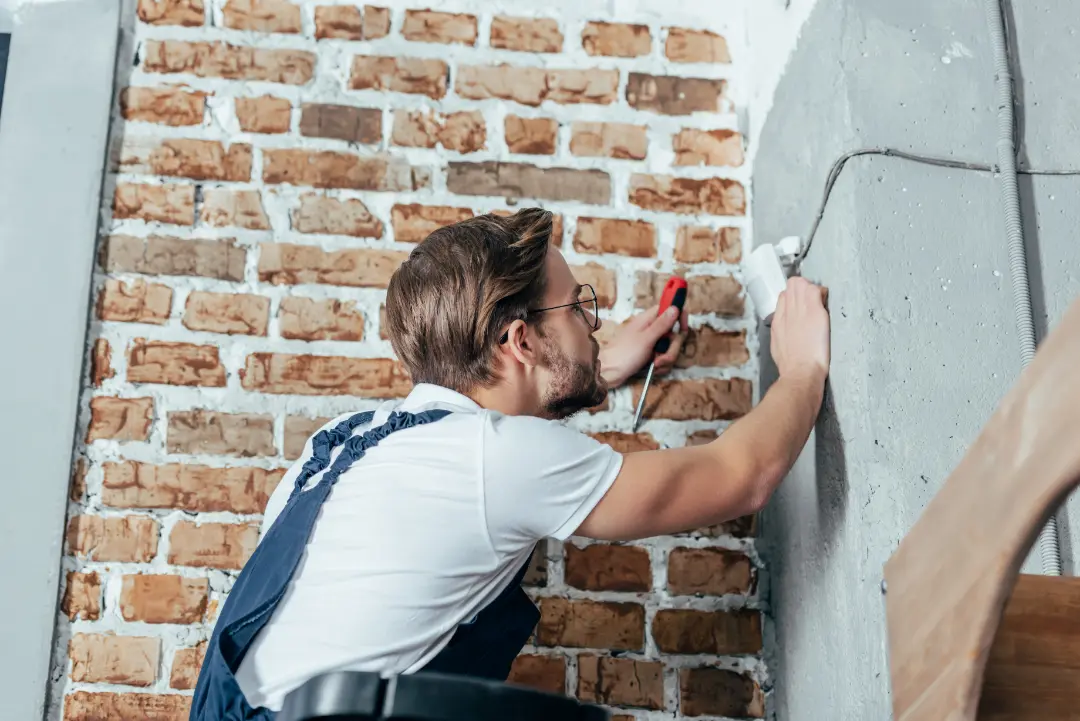
Additional Benefits of Repointing Brickwork

Will Repointing Make the House Warmer? Exploring the Benefits & Impact

Will repointing make the house warmer? Yes, by sealing gaps in the mortar joints between bricks, repointing reduces drafts and heat loss. 

This keeps indoor temperatures more stable and comfortable. Read on to understand how this simple maintenance task can enhance your home’s insulation and lower energy costs.

Key Takeaways

  • Repointing improves home insulation by sealing gaps between bricks, reducing drafts and heat loss, which leads to lower energy costs and increased thermal comfort.
  • Proper repointing prevents water ingress, protects against dampness and structural damage, and enhances the longevity and integrity of brickwork.
  • While DIY repointing may be feasible for minor repairs, professional services ensure high-quality workmanship, durability, and can significantly increase property value through effective restoration.

How Repointing Affects Insulation

Repointing involves renewing the external mortar joints between bricks, which is crucial for maintaining your home’s structural integrity. 

The benefits of this essential maintenance task go beyond aesthetics to significantly improve your home’s insulation. Sealing gaps in the mortar joints prevents drafts and reduces heat loss, resulting in a warmer indoor environment.

Repointing involves removing old, deteriorated mortar and replacing it with fresh mortar. This procedure is crucial for maintaining a comfortable indoor temperature, especially during colder months. 

How Repointing Affects Insulation

Reducing Drafts and Heat Loss

One of the most immediate benefits of repointing is the reduction of drafts and heat loss. Properly sealing the gaps between bricks minimises air leaks, which helps to keep indoor temperatures stable and comfortable. 

This is particularly important during freezing temperatures when even a small draft can make a significant difference in indoor comfort.

Preventing cold air infiltration through repointing helps maintain a consistent indoor temperature, creating a more comfortable living environment. This enhances thermal comfort and reduces the strain on your heating system, increasing overall energy efficiency.

Enhancing Thermal Performance

Repointing significantly enhances your home’s thermal performance by filling gaps in the brickwork and reducing heat loss. This ensures that warm air produced by your heating system stays inside, making your home more energy-efficient and playing a significant role in overall comfort.

The improvements in heat retention lead to increased energy efficiency, which means you can enjoy a warmer home without the need for excessive heating. 

This not only lowers your energy bills but also reduces your carbon footprint, making repointing a smart and eco-friendly choice for homeowners.

Preventing Water Ingress and Its Impact on Warmth

Water ingress can compromise your home’s warmth and structural integrity. When water infiltrates through gaps in the mortar, it can cause dampness, mould, and severe structural issues. 

Addressing Moisture and Damp Issues

Proper pointing protects your home from moisture and damp issues. Sealing the mortar joints through repointing prevents water ingress, reducing the risk of dampness and mildew.

This is crucial for maintaining your home’s structural integrity, as prolonged moisture exposure can weaken the brickwork.

Damp and mould can cause health problems, including allergies and respiratory issues. Signs that indicate a need for repointing include cracks or holes in bricks, gaps in mortar, and visible dampness like decaying wood, black mold, or a musty smell. 

Prompt repointing can improve your home’s health and comfort.

Protecting Against Frost Damage

Repointing protects your home against frost damage by maintaining the temperature of the bricks, reducing the risk of damage from freezing conditions.

This prevents cracks and water ingress that can compromise the brickwork’s integrity.

Frost damage can severely compromise the structural integrity of brick structures, leading to costly repairs and further damage. Effective repointing maintains your home’s structural integrity and warmth, providing a long-term solution against harsh winter conditions.

The Role of Proper Pointing in Energy Efficiency

Proper pointing maintains your home’s energy efficiency by ensuring the brickwork remains solid and supportive. Gaps and cracks can lead to air leakage and heat loss; repointing prevents this, keeping your home energy-efficient and comfortable at the same time.

The Role of Proper Pointing in Energy Efficiency

Lowering Energy Consumption and Costs

Repointing can significantly lower your energy consumption and costs. Fresh mortar used in repointing helps to seal joints, improving the insulation efficiency of your home. Regularly repointing brickwork can lead to noticeable reductions in energy expenses due to improved insulation.

Enhanced thermal performance from repointing leads to decreased energy usage and lower heating expenses over time. Effective repointing reduces the need for excessive heating, contributing to lower energy bills and a more sustainable home.

Improving Thermal Comfort

Consistent indoor temperatures prevent repointing significantly and improve thermal comfort. Proper brickwork pointing maintains a stable indoor temperature, which is crucial for a comfortable living environment, especially during freezing temperatures.

Repointing ensures a stable indoor temperature, enhancing overall comfort and reducing stress on heating systems, making your house more energy-efficient.

DIY vs Professional Repointing: Which is Better for Insulation?

While DIY might seem cost-effective, it requires a thorough understanding of the process, including removing old mortar, cleaning joints, and filling them with fresh mortar for a strong seal against drafts and moisture. 

Moreover, proper techniques are essential, as high humidity and freezing temperatures can hinder mortar curing.

Scheduling repointing during optimal weather conditions—between 5°C and 25°C and lower temperatures—is essential to improve mortar mix and cement durability and prevent issues, as they may weaken during dry and harsh weather.

While DIY repointing can be suitable for minor repairs, professional repointing is often the better choice for larger or more complex jobs, ensuring that the work is done effectively and safely.

Benefits of Professional Repointing

Hiring professionals for repointing requires experience, ensuring superior workmanship and reducing costly mistakes. Professionals use quality materials, ensuring durability and a long-lasting finish. This is crucial for larger or more complex jobs, where experienced construction workers’ expertise is invaluable.

Professional services offer a comprehensive range of brick pointing and repointing options, providing reliable and long-lasting results. The experienced team ensures repointing work enhances both the structural integrity and aesthetic appeal of your wall home.

Additional Benefits of Repointing Brickwork

Proper brickwork maintenance is crucial for maintaining your property’s structural strength. Beyond insulation and energy efficiency, repointing brickwork offers several additional benefits. 

Repointing weatherproofs walls, keeping them dry and protected against structural weakening.

Repointing also improves your home’s visual attractiveness, making it appear well-maintained and potentially more appealing to buyers (if you are planning to sell)

Additional Benefits of Repointing Brickwork

Enhancing Aesthetic Appeal

Repointing refreshes the look of brickwork, erasing signs of wear and weathering. A well-executed repointing job rejuvenates a building’s visual aspect, increasing curb appeal. 

This is particularly important for historic properties, where maintaining the original character and appearance is essential.

Repointing maintains the overall structure and stability of the building, preventing further deterioration. By replacing deteriorated mortar and filling gaps, repointing preserves the historical accuracy and aesthetic appeal of the property.

Increasing Property Value

Timely repointing can significantly boost your property’s market value. By restoring and preserving the brickwork’s aesthetics and integrity, repointing makes your home more attractive to potential buyers. 

This can lead to a higher selling price and quicker sale, as well-maintained brickwork appeals more.

Environ Property Services – Experts in Building Restoration

Environ Property Services specialises in repairing and refurbishing historic buildings and contemporary buildings in London. Our expertise in preserving London’s architectural heritage through skilled craftsmanship is unmatched. Known for reliability and professionalism, we are the market leader in building restoration projects that are built to last.

Our firm offers a comprehensive range of services, including brick repointing, stone restoration, damp proofing and heritage building refurbishment. Our award-winning team handles intricate restoration designs, showcasing unmatched capability in complex projects.

If you are looking to restore and preserve your properties, Environ Property Services offers exceptional quality and expertise.

Contact us today for a personalised quote.

Frequently Asked Questions

What is repointing, and why is it important?

Repointing is the essential process of renewing or repairing the mortar joints between bricks, which is crucial for maintaining structural integrity and enhancing insulation. Without proper repointing, buildings can suffer from moisture damage and diminished stability.

How does repointing reduce drafts and heat loss?

Repointing effectively seals gaps between bricks, which significantly minimizes air leaks and contributes to maintaining stable indoor temperatures. Consequently, this process reduces drafts and heat loss in a building.

What are the signs that my home needs repointing?

Your home likely needs repointing if you notice cracks or holes in the bricks, gaps in the mortar, or visible dampness such as decaying wood or mold. Addressing these issues promptly will help maintain the integrity of your home.

Should I attempt DIY repointing or hire a professional?

Hiring a professional for repointing is recommended as it guarantees superior workmanship and minimises the risk of expensive errors, compared to attempting DIY for even minor repairs.

How does repointing increase property value?

Repointing enhances the aesthetics and structural integrity of brickwork, which can make your property more appealing to potential buyers and thereby increase its market value.

Conclusion

Repointing is a vital maintenance task that offers numerous benefits, from improving insulation and energy efficiency to enhancing the aesthetic appeal and value of your property. 

By sealing gaps in the mortar joints, repointing reduces drafts, prevents water ingress, and protects against frost damage, ensuring a warmer and more comfortable home.

Investing in professional repointing services guarantees superior quality workmanship and long-lasting results. For those looking to preserve and enhance their homes, repointing is a wise and impactful investment. 

Consider taking this step to ensure your home remains warm, beautiful, and structurally sound for years to come.

worker using high pressure water jet spray gun to clean brick

Brick Cleaning, Repointing, Paint Removal – The Ultimate Guide

Revitalising your brickwork through cleaning and repointing can significantly enhance the aesthetic appeal and longevity of your property.

Whether it’s the charming front of the house or a majestic listed building, understanding the nuances of brick maintenance is crucial. This article delves into the art and science behind brick cleaning and repointing, offering a comprehensive guide to breathe new life into your brickwork. 

With a focus on employing the highest quality brick cleaning service and expert repointing techniques, we’ll explore how these processes can restore your brickwork to its original splendour, ensuring it stands the test of time.

Brick Cleaning

Methods of Brick Cleaning

Every brick cleaning method, from steam brick cleaning to chemical cleaning, is designed with the preservation of the brick surface in mind.

Techniques vary widely, with steam cleaning being favoured for its ability to remove paint from brick effectively while being safe for the cleaned surface. Understanding the correct method to use is essential in avoiding damage and ensuring a high standard of cleanliness.

Problems Caused by Condensation

Chemical Cleaners vs. Natural Solutions

The debate between using chemical cleaners and natural solutions for brick cleaning is ongoing.

Chemical cleaning, while effective for tough stains, requires careful handling to avoid harming the brickwork surface. Conversely, environmentally friendly brick cleaning methods guarantee the highest quality finish without the risk of damage, making them a preferred choice for conservation and restoration projects.

Preventing Damage During Cleaning

Ensuring the cleaning process is safe for the cleaned surface is paramount. Techniques must be chosen and applied carefully to prevent any abrasion or chemical damage to the brickwork. Professional brick cleaning services are skilled in assessing the condition of brickwork and selecting the most appropriate, damage-free cleaning system.

The Role of Pressure Washing

Pressure washing plays a crucial role in brick cleaning, especially for removing stubborn grime and biological growth. However, it must be executed with precision to avoid eroding the mortar or damaging the bricks. Skilled teams make use of their years of experience to apply just the right amount of pressure.

DIY vs. Professional Brick Cleaning Services

While DIY brick cleaning might seem cost-effective, professional brick cleaning services provide a comprehensive range of expertise and equipment that ensure a quality finish to your exterior stonework. Their methods are tailored to the specific needs of your brickwork, guaranteeing a brilliant job that brings your brickwork back to life.

Maintenance After Cleaning

Maintenance is crucial after every brick cleaning project. Regular inspections and gentle cleaning can prevent the buildup of dirt and grime, prolonging the intervals between significant cleans and keeping your brickwork in pristine condition for years to come.

ladder leaning on a red brick building

Brick Repointing

Understanding the Repointing Process

Repointing is the process of renewing the pointing, or the external part of mortar joints, in brickwork.

Over time, weathering and decay cause voids in the joints between bricks, necessitating the removal of damaged mortar and the application of new pointing. This not only enhances the visual appeal but also significantly increases the longevity of the brick structure.

Tools and Materials for Repointing

The tools and materials for repointing, such as trowels, pointing irons, and lime mortar brick pointing mixes, are chosen based on the type of brick and the desired finish.

Lime mortar repointing is especially popular for period properties due to its flexibility and breathability, which match the original construction materials.

Identifying the Need for Repointing

Signs that your brickwork needs repointing include visible cracks, loose bricks, and deteriorated mortar.

Environ Properties Services’ professional repointing services can assess the condition of your brickwork and recommend the best course of action, whether it’s targeted repairs or comprehensive repointing and restoration.

Colour Matching Mortar

Colour-matching mortar is essential in maintaining the aesthetic integrity of brickwork, especially for historic or listed buildings.

Restoration specialists use their expertise to blend new mortar that matches the original as closely as possible, ensuring a seamless finish.

Cost Factors in Repointing Projects

The cost of repointing projects varies depending on the scale of the work, the condition of the brickwork, and the specific requirements of the property.

Repointing Techniques and Styles

From tuckpointing to flush pointing, the technique chosen for repointing can significantly affect the appearance and durability of the brickwork.

Each style, including recessed pointing and bucket handle pointing, offers a different aesthetic and protection level, with the choice often influenced by the building’s age and design.

Brick Restoration

Types of Brick Damage and Decay

Brick damage and decay can manifest in various forms, including cracks, spalling, and efflorescence.

Understanding the underlying causes of these issues is crucial for effective restoration work, whether it’s addressing water damage or stabilising bulging walls.

Restoration Techniques for Historic Brick

Historic brick restoration requires a delicate balance between preserving the original character and ensuring structural integrity.

Techniques such as stone restoration and lime mortar repointing are favoured for their compatibility with traditional materials, allowing craftsmen to achieve a high standard of restoration while respecting the building’s historical significance.

Sealants and Protective Coatings

Sealants and protective coatings play a vital role in extending the lifespan of brickwork by providing a barrier against moisture and environmental damage. 

However, their application must be carefully considered, especially on historic structures, to ensure breathability and avoid trapping moisture within the bricks.

Matching Old and New Bricks for Restoration

For restoration projects that require the replacement of damaged bricks, finding a match for the old bricks is essential to maintain the visual consistency of the facade.

Restoration companies often source or custom-make bricks that closely resemble the original in terms of colour, texture, and size.

Regulatory and Compliance Aspects in Restoration Projects

Restoration projects, particularly on listed buildings or in conservation areas, are subject to regulatory and compliance requirements. 

Navigating these regulations is essential for ensuring that the restoration work is both legally compliant and respectful of the building’s heritage.

Environmental Considerations in Brick Restoration

Environmental considerations are increasingly important in brick restoration, with a focus on using sustainable materials and techniques. 

Lime mortar and historically accurate methods not only offer environmental benefits but also ensure compatibility with the original construction practices.

Mortar Analysis and Selection

Types of Mortar and Their Uses

Mortar plays a critical role in the construction and maintenance of brick structures, acting as a bonding agent between bricks and contributing to the overall stability and durability of the structure.

Different types of mortar, including lime mortar and cement mortar, offer various advantages depending on the specific requirements of the project, such as flexibility, strength, and compatibility with existing materials.

What is Mould, and Why Does It Appear

Historical Mortars in Restoration

In restoration projects, especially those involving historic or listed buildings, the selection of the appropriate mortar is crucial.

Historical mortars, primarily composed of lime and natural aggregates, are often preferred for their compatibility with traditional masonry techniques and materials.

These mortars not only match the physical and aesthetic properties of the original construction but also contribute to the structure’s breathability and flexibility, which are essential for the long-term preservation of historic buildings.

Strength and Durability of Mortar Mixes

The strength and durability of mortar mixes are critical considerations in both new construction and restoration projects.

The structural requirements of the building determine the selection of mortar mix, the environmental conditions it will face, and the desired longevity of the work. 

Advanced formulations and techniques allow for the creation of mortar mixes that provide the necessary strength and durability while also being compatible with the specific characteristics of the brick or stone being used.

The Role of Lime in Mortar

Lime plays a pivotal role in mortar for both new construction and restoration projects.

Its natural flexibility and breathability make lime-based mortars particularly suited to older buildings, where the ability to accommodate slight movements and allow moisture to evaporate is crucial. Lime mortar also offers environmental benefits, as it is more sustainable and less energy-intensive to produce than cement-based mortars. 

The use of lime mortar is a crucial aspect of traditional masonry techniques, contributing to the longevity and aesthetic quality of brickwork.

Brick Repair

Crack Repair Techniques

Cracks in brickwork can compromise the structural integrity and aesthetic appearance of a building.

Effective crack repair techniques involve assessing the extent of the damage, determining the underlying cause, and selecting the appropriate repair method. Options range from injecting flexible fillers to accommodate future movement to replacing damaged bricks and repointing to ensure a seamless repair. 

The goal is to restore the stability and appearance of the brickwork while preventing further damage.

Replacing Damaged Bricks

Replacing damaged bricks is a critical aspect of brick repair, especially in cases where the integrity of the brickwork is compromised.

The process involves carefully removing the damaged bricks and sometimes the area around the bricks, sourcing replacements that match the original bricks in colour, texture, and size, and installing the new bricks with compatible mortar.

This not only restores the structural integrity of the wall but also maintains its visual consistency, ensuring that the repair work is not visually obtrusive.

Addressing Water Damage and Efflorescence

Water damage and efflorescence, the white powdery substance that can appear on brick surfaces, are common issues that require prompt attention.

Addressing these problems involves identifying and rectifying the source of moisture ingress, removing efflorescence deposits, and repairing any damage caused by water, such as deteriorated mortar or spalling bricks. 

Properly executed repairs can prevent future water damage and preserve the appearance and integrity of the brickwork.

Stabilising Bulging and Bowed Walls

Bulging and bowed walls are serious structural issues that can threaten the safety of a building.

Stabilising these walls often requires a combination of techniques, including installing ties and anchors to secure the wall to the building’s structure, removing and replacing damaged bricks, and repointing to restore the wall’s strength. 

These repairs must be carried out with precision and care to ensure the long-term stability of the wall and the safety of the building’s occupants.

Tuckpointing as a Repair Strategy

Tuckpointing is a specialised repair strategy used to improve the appearance of brickwork where the mortar joints have deteriorated.

The process involves removing the old mortar to a certain depth and then filling the joints with new mortar that matches the brick colour, followed by applying a thin line of contrasting mortar in the centre of the joint. 

This creates a neat, uniform appearance that can significantly enhance the visual appeal of the brickwork, in addition to extending its lifespan by protecting it against weathering and decay.

Cleaning Service for Brickwork

Assessment and Planning for Brick Cleaning

Before undertaking a brick cleaning project, a thorough assessment of the brickwork is essential to determine the most appropriate cleaning method.

This involves evaluating the type of dirt, staining, or biological growth present and considering the brick’s condition and the type of mortar used. Planning also includes identifying any potential risks to the brickwork during the cleaning process and devising strategies to mitigate these risks.

A well-planned approach ensures that the cleaning effectively enhances the appearance of the brickwork without causing damage.

Damp survey london

Equipment and Techniques Used by Professionals

Professional cleaning services employ a range of equipment and techniques to achieve the best results in brick cleaning.

These include pressure washing, steam cleaning, ThermaTech system and chemical treatments, each suited to different types of dirt and staining. Our skilled professionals understand how to use these tools effectively, adjusting pressure levels and chemical concentrations to clean the brickwork thoroughly while preserving its integrity. 

The use of specialised equipment also enables the cleaning of hard-to-reach areas, ensuring a comprehensive cleaning outcome.

Addressing Stains and Graffiti

Stains and graffiti on brickwork can be particularly challenging to remove, requiring specialised cleaning techniques.

We use gentle chemical treatments and delicate abrasion methods to lift stains and paint without damaging the brickwork.

In cases of graffiti, removal may involve a combination of chemical cleaning and pressure washing, with the choice of method depending on the type of paint used and the condition of the brickwork. 

Achieving a clean, restored appearance while maintaining the integrity of the bricks is the primary goal.

Maintenance Plans for Keeping Brickwork Clean

After a thorough cleaning, implementing a maintenance plan is crucial to keep the brickwork in optimal condition.

Regular inspections can identify potential issues before they become significant problems, and gentle cleaning methods can be used to address minor dirt and staining.

A maintenance plan might also include periodic professional cleaning to manage more stubborn dirt or biological growth. 

Keeping the brickwork clean not only enhances the building’s appearance but also contributes to its longevity by preventing damage that can occur from accumulated dirt and moisture.

Safety and Environmental Considerations

Safety and environmental considerations are paramount in the cleaning of brickwork.

Environ Properties Services’ professional cleaning services prioritise the use of environmentally friendly cleaning solutions and techniques that minimise water usage and chemical runoff. Safety measures are also strictly adhered to, protecting both the workers performing the cleaning and the surrounding environment. 

The goal is to achieve a clean, restored appearance for the brickwork while ensuring the health and safety of individuals and the planet.

The Science of Brickwork Maintenance

Moisture Management in Brick Structures

Effective moisture management is crucial for the longevity of brick structures. Properly designed and maintained brickwork allows for the evaporation of moisture, preventing water retention that can lead to structural damage, such as cracks or spalling.

Techniques for moisture management include ensuring good drainage around the building, using breathable materials like lime mortar, and applying appropriate sealants that allow moisture to escape. 

By managing moisture effectively, the integrity and appearance of brick structures can be preserved for generations.

Thermal Performance and Energy Efficiency

The thermal performance and energy efficiency of brick buildings are significantly influenced by the quality of the brickwork and its maintenance.

Well-maintained brickwork, with intact mortar joints and no gaps, provides better insulation and reduces heat loss, contributing to the overall energy efficiency of the building.

Upgrades such as adding insulation to the interior or exterior of the brickwork can also improve thermal performance, leading to increased comfort for occupants and lower energy costs.

Biological Growth Challenges on Brick Surfaces

Biological growth, including moss, algae, and lichens, can pose significant challenges to brick surfaces, detracting from their appearance and potentially causing damage over time.

Addressing biological growth involves identifying the conditions that encourage its development, such as excessive moisture or poor air circulation, and taking steps to mitigate these conditions.

Cleaning methods that remove biological growth without damaging the brickwork are also essential, as is the application of treatments that inhibit future growth.

Long-term Strategies for Brick Conservation

Long-term strategies for brick conservation focus on preventative maintenance and the careful selection of materials and techniques that are compatible with the brickwork’s original construction.

This includes the use of appropriate mortars, regular monitoring and repair of any damage, and the application of protective treatments that extend the lifespan of the brickwork without compromising its aesthetic or historical value.

By adopting a proactive approach to conservation, the integrity and beauty of brick structures can be maintained for future generations to appreciate.

Understanding Brick Materials

The selection of brick materials plays a pivotal role in the durability, appearance, and maintenance requirements of brick structures.

Various types of bricks, including clay, concrete, and calcium silicate, offer different characteristics in terms of strength, weather resistance, and aesthetic appeal. Understanding the properties of various brick materials is essential for choosing the right type for a specific application, whether it’s new construction or the restoration of a historic building. 

The compatibility of brick materials with mortars and the building’s overall design also influences the success of construction and restoration projects, highlighting the importance of informed material selection in achieving lasting and visually pleasing results.

This comprehensive guide to brick cleaning and repointing underscores the importance of meticulous care, expert techniques, and suitable materials in restoring and maintaining the beauty and integrity of brick structures.

Whether it’s reviving the charm of period properties or ensuring the durability of modern constructions, the principles outlined in this article provide a solid foundation for anyone looking to bring their brickwork back to life.

Frequently Asked Questions

Q: What do brick restoration services include?

A: Brick restoration services encompass various treatments aimed at restoring the structural integrity and aesthetic appeal of brickwork. This includes brick cleaning and repointing, paint removal, tuckpointing, and, sometimes, pebbledash removal. Our specialists focus on returning the brickwork to its original condition, ensuring the building’s facade maintains its character and longevity.

Q: How important is professional brick pointing and repointing in building maintenance?

A: Professional brick pointing and repointing are critical maintenance activities that protect buildings from water damage and structural decay. By replacing deteriorated mortar with fresh mortar, repointing and restoration services not only preserve the structural stability of a building but also improve its appearance. It’s a necessary measure to prevent costly damages in the future.

Q: What are the advantages of using a steam brick cleaning system?

A: A steam brick cleaning system offers a gentle yet effective method for removing dirt, grime, and biological matter from bricks without damaging the surface. This brick cleaning method is environmentally friendly and preserves the brick’s integrity, making it a preferred choice among leading brick cleaning specialists for both restoration and preservation projects.

Q: Can specialist paint removal services harm the underlying brickwork?

A: When performed by experienced cleaning contractors, specialist paint removal services can safely strip paint from brickwork without causing harm. Techniques vary from chemical cleaning to more delicate methods like steam cleaning, depending on the condition of the brick facade and the type of paint used.  We will assess the best approach to ensure the integrity of the brickwork is maintained throughout the process.

Q: Why choose Environ Properties Services repointing and brick cleaning specialists for your property?

A: Environ Properties Services’ repointing and brick cleaning specialists possess the expertise and equipment necessary to deal with the unique challenges presented by the city’s diverse architectural styles. From historic to modern buildings across London and the surrounding Essex areas, these professionals bring a wealth of local knowledge and tailored approaches to restoration, ensuring high-quality results that respect the original architecture.

Q: What is involved in stone restoration and cleaning?

A: Stone restoration and cleaning involve a range of processes designed to restore natural and fabricated stone surfaces to their original condition. This can include removing layers of dirt and pollution, repairing cracks, and sometimes repointing the mortar joints. Restoration services use various cleaning and brick cleaning methods, from chemical treatments to abrasive techniques, carefully chosen to suit the type of stone and the extent of the deterioration.

Q: How does chemical cleaning work for paint removal and brick cleaning?

A: Chemical cleaning for paint removal and brick cleaning uses specially formulated solutions to dissolve paint, grime, and other deposits on brick and stone surfaces. This method allows for the thorough cleaning of the facade while minimising physical impact on the surface. A neutralising wash often follows it to ensure no chemical residue harms the brickwork. However, this approach must be handled by experienced cleaning contractors to avoid potential damage.

Q: What is the cost of repointing services and brick restoration in London?

A: The cost of repointing services and brick restoration in London can vary widely based on the scope of the project, the condition of the brickwork, the property’s size, and the specific techniques required. It’s best to consult with us to get accurate quotes.