
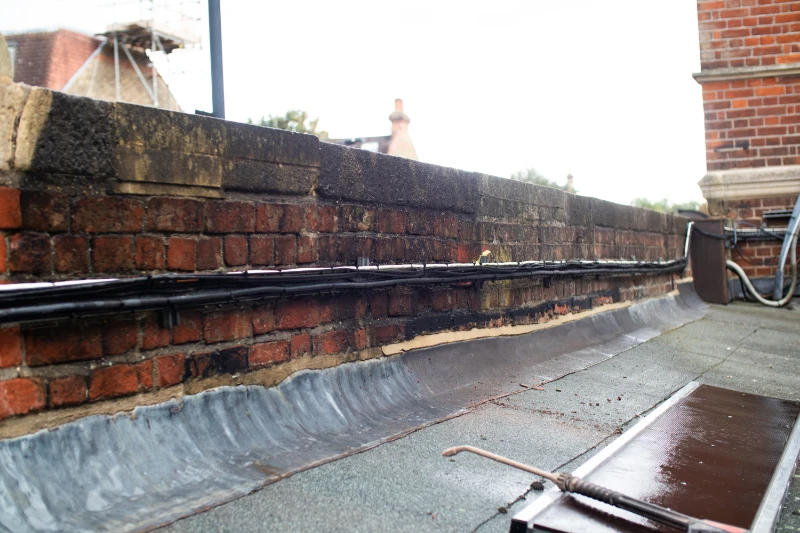
Dirty brick wall

How To Clean Brick Inside And Out – A Comprehensive Guide To Freshening Up Your Home

Brick, with its warm, inviting aesthetic, serves as a classic material in both interior and exterior home designs. 

However, maintaining its beauty requires regular care and cleaning, as brickwork can accumulate dirt, grime, and various stains over time. 

This guide provides everything you need to know about cleaning brick surfaces inside and out to restore their natural charm and ensure their longevity.

Understanding the Basics of Brick Cleaning

Why is it Essential to Clean Brick Walls?

Cleaning brick walls is essential not only for aesthetic reasons but also for the structural integrity of the brickwork. Dirt, moss, and mildew that accumulate on the surface of the brick can retain moisture, leading to damage over time. Regularly cleaning bricks helps prevent decay and keeps them looking their best, preserving the value of your home.

texture of old concrete wall abstract white grung 2023 11 30 22 46 06 utc

What Makes Bricks Get Dirty or Stained?

Bricks can get dirty and stained from a variety of sources. Exterior brick walls are exposed to the weather, leading to stains from rainwater, growth of moss and mildew, and accumulation of grime from air pollution.

Interior brick may accumulate soot, especially near fireplaces, and dust and dirt from general household activities. The type of brick and the local environment also play roles in how quickly and severely brick surfaces become stained.

The Difference Between Interior and Exterior Brick Cleaning

The primary difference in cleaning exterior versus interior brick lies in the exposure to elements and the type of soiling of each face.

Exterior brick walls contend with harsher conditions, requiring more robust methods like pressure washing for effective cleaning.

Interior brick, meanwhile, often needs gentler techniques to avoid damage to the bricks or mortar, focusing on removing soot or dust without introducing excessive moisture.

Preparing Your Bricks for Cleaning

Assess the Condition of Your Brickwork Before Cleaning

Before cleaning, closely examine the brickwork to determine its condition. Look for signs of damage or weakened mortar, which may be exacerbated by cleaning. 

Consider the age and type of brick, as historic or clay brick may require special care to prevent damage. Identifying these factors early can help you choose the most appropriate cleaning methods to protect your brickwork.

Gather the Right Tools and Materials for Brick Cleaning

For effective brick cleaning, gathering the correct tools and materials is crucial. Essential items include a bristle brush (or pressure washer for exterior brick), rubber gloves, protective eyewear, dish soap or a more potent cleaning solution like boric or muriatic acid for tougher stains, a sponge, and ample warm water. 

Always test cleaning solutions on a small area of the brick to ensure they do not cause damage.

Protect Surrounding Areas from Damage During Cleaning

When preparing to clean brick, especially exterior brick, it’s important to protect surrounding areas. Cover plants, ground, and nearby surfaces to shield them from potentially harsh cleaning solvents. 

Ensure windows are closed to prevent spray or runoff from entering your home. Taking these precautions can prevent unintended damage or additional cleaning tasks.

A Step-by-Step Guide to Cleaning Exterior Brick Surfaces

How to Remove Grime and Dirt from Exterior Brick Walls

To remove grime and dirt from exterior brick walls, start by saturating the bricks with a hose to loosen the dirt. 

Mix a simple cleaning solution of dish soap and warm water in a bucket. Using a bristle brush, scrub the brick surfaces in sections, working the soapy mixture into the bricks. Rinse thoroughly with water to prevent soap residue.

 For larger areas, consider using a pressure washer at a low setting to avoid damaging the brick.

Techniques for Tackling Tough Stains on Outdoor Brickwork

For tough stains on outdoor brickwork, such as moss or mildew, a stronger solution may be necessary.

Mixing diluted bleach with water in a spray bottle can effectively address these concerns. Spray the affected area, let the solution sit on the brick for a few minutes, then scrub with a bristle brush and rinse thoroughly.

For especially stubborn stains, muriatic acid diluted according to the manufacturer’s instructions can be used, but always with extreme caution and protective gear.

If you are dealing with paint stains, paint removal may require a specialised paint remover designed for brick surfaces. Choose the appropriate paint remover based on the type of paint, and always test in a small area first to avoid damage. Remember to wear gloves when handling strong cleaning agents or paint removers to protect your skin.

When and How to Use A Pressure Washer on Exterior Bricks

Using a pressure washer on exterior bricks is effective for removing built-up grime and stains. 

However, it should be used cautiously to avoid damaging the mortar or brick face. Always start with the lowest pressure setting, hold the washer at a distance, and use a sweeping motion. Test on a small, inconspicuous area first. 

Pressure washing once a year or as needed can keep your exterior walls looking fresh without causing harm.

Effective Methods for Cleaning Interior Brick Walls

constructor measuring brick wall near coworker wit 2023 11 27 05 35 04 utc

Dealing With Soot and Grime on Indoor Brick Surfaces

To clean grime on indoor brick surfaces, a milder approach is recommended. Mix a solution of dish soap and warm water, and use a sponge to apply it gently to the surface. For a natural alternative, white vinegar can be used to clean indoor brick and remove stubborn stains or efflorescence.

For tougher stains, a paste made from salt and detergent applied with a brush can provide a deeper clean without harsh chemicals. Always finish by rinsing with a damp cloth to remove any cleaning residue.

The Best Approach to Cleaning Painted Brick Indoors

For cleaning painted brick indoors, it’s crucial to avoid damaging the paint while removing dirt. Use a mild detergent mixed with water and a soft cloth or sponge to wipe down the surface gently. 

Avoid abrasive brushes or scrubbers that could scratch or peel the paint. Regular dusting can prevent buildup and make deeper cleaning less frequently necessary.

Natural Solutions for Refreshing Your Interior Brickwork

Natural cleaning solutions, such as a vinegar and water mixture, can effectively clean interior brick without introducing harsh chemicals into your home. 

Spray the brick lightly with the solution, then use a brush to scrub the surface lightly. Rinse with a clean, damp cloth to remove any vinegar residue. 

This method is perfect for maintaining the natural look of the brick while ensuring it stays clean and fresh.

Historic Home Brick Cleaning Considerations

Special Care for Older Brickwork

Cleaning brickwork in historic homes requires a gentle touch and a thoughtful approach. Older clay brickwork, often found in period properties, is more porous and can be easily damaged by harsh chemicals or aggressive cleaning methods. Before starting any brick cleaning, carefully assess the condition of your interior brick and exterior brick walls. Look for signs of crumbling mortar, cracks, or weakened bricks—these areas need extra caution to avoid further deterioration.

For cleaning interior bricks in historic homes, opt for mild dish soap mixed with warm water and applied with a soft-bristled brush or a damp cloth. This gentle cleaning solution helps lift dirt and grime without compromising the brick’s appearance or structural integrity. Avoid using a pressure washer on exterior brick, as the force can erode the brick face or dislodge old mortar. Instead, use a stiff brush and a suitable cleaning solution, working slowly to remove surface stains and accumulated dirt.

If you’re unsure about the best approach, consult a professional with experience in historic brick cleaning and restoration.

Restore Your Brick With Environ Property Services – London’s #1 Choice for Expert Brick Cleaning

At Environ Property Services, we clean and restore bricks to elevate curb appeal and protect the integrity of your property. With decades of hands-on experience and a deep understanding of London’s unique architecture, we have become the trusted name in professional brick cleaning in London.

Our specialists apply precision techniques tailored to each surface. From low-pressure ThermaTech steam cleaning to specialist stain removal, we guarantee a thorough, safe, and stunning result. We treat every building with respect, care, and attention to the smallest detail.

Our process begins with a detailed survey to assess your brickwork, identify underlying issues, and recommend the ideal approach. Whether you are a homeowner, landlord, or restoring a listed heritage building, we adapt our methods to fit your structure’s age, material, and condition.

From your first phone call to the final rinse, you will experience professionalism, transparency, and unmatched expertise. Don’t risk the damage and frustration of DIY shortcuts. Call us today on 020 4572 5564 or request a callback to restore your brickwork safely, expertly, and affordably.

Maintaining Your Brick Walls: Tips and Tricks for Longevity

Preventive Measures to Keep Your Bricks Clean Longer

Preventative measures are key to keeping bricks clean longer. Seal exterior brickwork to protect against moisture and stains, and ensure gutters and downspouts are clear to prevent water damage. 

Inside, regular dusting can minimise the accumulation of dirt and grime on exposed brick surfaces.

Repair Mortar and Addressing Moisture Issues

Repairing damaged mortar and addressing any moisture issues are essential steps in maintaining the integrity and appearance of brick walls. 

Tuckpointing — the process of removing and replacing damaged mortar — can prevent further deterioration and improve the wall’s resistance to moisture. 

Ensuring proper drainage around the home also helps protect exterior brick walls from water damage.

Schedule Regular Brick Maintenance

Establishing a regular maintenance schedule for brick walls can prevent the need for extensive cleaning and repairs. 

This includes annual inspections to identify potential issues, routine cleaning of both interior and exterior brick surfaces, and immediate attention to any damage detected. 

By dedicating time to maintaining your brick walls, you ensure their beauty and structural integrity for years to come.

Professional Brick Cleaning VS DIY Brick Cleaning  

The porous nature and exposure of bricks to environmental elements mean it requires regular attention to maintain its appeal. Whether it’s the exterior facade facing the brunt of the weather or interior walls gathering dust and soot, each surface demands a tailored approach to cleaning. This necessity raises a question: should you embark on this journey alone or seek the expertise of professional Brick cleaning services in London?

The answer lies in understanding the stakes. DIY brick cleaning, while initially seeming cost-effective, often overlooks the nuances of brick care, risking damage to both the brick and mortar through improper techniques or harsh chemicals.

Professional services, on the other hand, bring a wealth of experience, ensuring that every pore and crevice is treated with the respect it deserves without compromising the brick’s integrity or your home’s aesthetic. Moreover, the use of environmentally friendly and technologically advanced systems like ThermaTech not only guarantees a deeper clean but does so with the utmost respect for the environment and the longevity of your brickwork.

In choosing a professional path, you’re not just cleaning your brick; you’re investing in your home’s future, ensuring that its beauty and strength stand the test of time.

Frequently Asked Questions

How can I effectively clean the brick outdoors to remove moss and dirt?

To clean outdoor brick effectively, especially when dealing with moss and dirt, start by using a stiff brush to scrub the surface. For moss buildup, a solution of boric acid and water can be particularly effective. Apply the solution to the moss-covered areas and let it sit for at least 30 minutes before scrubbing with a stiff brush.

For general dirt and grime, mix a gallon of warm water with dish soap and use a scrub brush to clean the surface. Always rinse the brick thoroughly with water after cleaning to remove any residual cleaning solution.

What’s the best way to clean interior brick to preserve its natural look?

To clean interior brick while preserving its natural look, start by gently dusting to remove loose dirt. Then, mix mild dish soap with warm water and gently scrub the surface with a soft brush to clean the brickwork without damaging it.

Avoid using harsh chemicals or abrasive tools that can erode the brick-and-mortar. Rinse the brick with a clean rag dampened in clean water, and let the brick air dry completely. For stubborn stains, a paste made of dish soap and salt can be applied before scrubbing.

Can I use a pressure washer to clean the brickwork outside my historic home?

While a pressure washer can be an effective tool for exterior cleaning of brickwork, caution is advised, especially with historic homes. The intense pressure can damage the brick and mortar if not used correctly.

It’s essential to use a low-pressure setting and hold the nozzle at least 12 inches away from the surface. Before using a pressure washer, test it on a small, inconspicuous area. For best results, consider consulting our professionals with experience in cleaning historical buildings.

How do I remove heavy mortar stains from brick, both inside and outside?

To remove heavy mortar stains from brick, whether inside or outside, create a cleaning solution by mixing one part muriatic acid with ten parts water. Apply the solution to the stained area using a brush, let the acid work for 5 to 10 minutes, and then scrub vigorously with a stiff brush. Always wear protective gear, such as gloves and goggles, when working with acid solutions.

Rinse the brick thoroughly with water after cleaning. If stains persist, it may be necessary to repeat the process or seek professional help.

Are there any natural cleaning solutions for both indoor and outdoor brick cleaning?

Yes, there are natural cleaning solutions that can be used for both indoor and outdoor brick cleaning. A popular homemade solution includes mixing equal parts of water and vinegar, which is effective in removing light dirt and stains.

For tougher stains, a paste made from baking soda and water can be applied to the affected area before scrubbing. These natural solutions are gentler on the brick-and-mortar and are environmentally friendly options for home improvement projects.

How often should brickwork be cleaned to maintain its appearance?

The frequency of brickwork cleaning largely depends on its location and exposure to elements. Generally, outdoor brickwork should be inspected and cleaned every 1 to 2 years to remove built-up dirt, stains, and biological growth such as moss or algae.

Interior brick may require less frequent cleaning, typically every 2 to 3 years, depending on the level of dust and indoor pollutants. Regular inspections can help identify when cleaning is necessary to maintain the brick’s appearance and integrity.

Can I use a wire brush to remove stains from porous brick caused by cement staining?

Yes, a wire brush combined with a quality brick cleaner can effectively remove stains from cement staining. However, since porous brick requires care, this method works best on durable surfaces needing little maintenance.

TOP BRICK CLEANING TECHNIQUES

Effortless Brick Stain Removal: A Step-by-Step Guide For Pristine Surfaces

Brick stain removal can seem daunting. In this article, we will show you how to identify various stains and the exact steps to get rid of them effectively.

Key Takeaways

  • Identifying the type of brick stain, such as efflorescence, vanadium salts, or paint, is crucial for selecting the most effective and safe cleaning method to prevent damage to the brickwork.
  • Using appropriate tools and techniques, like a nylon brush and gentle cleaning solutions, helps remove brick stains while taking care to avoid damage to the mortar joints or the bricks themselves, especially when dealing with delicate historical structures.
  • Preventative measures for brick care, including good building design and using barriers and sealers, are essential for protecting brickwork from water penetration, organic growth, and long-term degradation.

Understanding Brick Stain Challenges

Brick surfaces, whether they form the facade of a historical building or the exterior of a modern home, are constantly exposed to natural and human-made elements. From airborne soot and dirt to accidental spills, numerous agents can tarnish the clean brickwork of facing bricks.

Moisture and water exposure are major contributors to the formation of stains on brickwork, as they can carry impurities and promote discoloration, especially when combined with environmental pollutants.

Choosing an appropriate cleaning technique can be tricky. Factors like the purpose of cleaning and the brickwork’s location of the brickwork can influence the choice of the most effective stain-removal method. It’s not as simple as grabbing a brick cleaner and scrubbing away.

Different stains and brick type require different approaches, necessitating a more nuanced understanding of the stain’s origin. Cleaning clay brickwork requires special care and techniques to preserve the integrity of clay brickwork, as improper methods can cause damage.

Conditions that foster organic growth escalate the complexity. Moss, algae, and lichens flourish in damp, cold, and shaded environments. Shaded areas and persistent moisture are especially problematic for organic growth, as they encourage the development of greenish stains and contribute to the degradation of brick surfaces over time. So, it’s not just about keeping your bricks clean; it’s also about maintaining the conditions that keep them clean.

Types of Brick Stains

Before effectively cleaning your brickwork, you must identify the type of stain you’re dealing with. Stains on brickwork can include efflorescence, organic growth like moss or algae, and construction-related stains.

One common cause of discolouration is efflorescence, characterised by white stains or white marks on brick surfaces. These are salt and mineral deposits left behind when water evaporates from the brickwork.

Lime staining is another issue that appears similar to efflorescence but is caused by calcium compounds leaching from mortar or concrete, resulting in white, dribbling marks that require different treatment.

Other stains can be more insidious, causing structural damage over time. Green or yellowish-green staining, often referred to as green stains, frequently results from vanadium salts or other metallic elements, while brown or red stains are primarily due to manganese oxide. Manganese stains can occur when manganese dioxide, used as a colouring agent in brick manufacturing, dissolves in water and causes dark discolouration. These types of stains are examples of metallic staining, which includes stains from iron, manganese, and vanadium. Metallic staining can lead to acidity-related brick damage, making them particularly challenging to remove.

Paint stains are also a common issue, especially in urban areas. Aerosol paints, among others, can be particularly difficult to remove from bricks, requiring special treatment based on the paint’s chemical composition. Identifying the stain type enables you to choose the most effective paint removal method, which saves time and prevents avoidable harm to your bricks. Using a suitable paint remover can make removing paint more accessible and efficient.

Additionally, cement residues from construction can also cause persistent stains on brickwork that require specialised cleaning techniques.

The Right Tools for Brick Stain Removal

Once you’ve identified the type of stain, you must choose the right tools for the job. When cleaning brickwork, using non-abrasive tools and gentle cleaning methods is crucial to prevent damage to the brick surfaces and mortar joints.

One recommended tool is a nylon brush, which can be used with a detergent solution to remove dirt and grime effectively. However, you should avoid using a wire brush or metal tools, which can be too abrasive for brick surfaces. For removing larger deposits of cement or mortar, wooden tools are recommended, as they allow you to clear away residue without damaging the brickwork.

While using a high-pressure washer might be tempting, avoiding such aggressive cleaning techniques is essential. High-pressure washing can damage brick surfaces and mortar joints, underscoring the need for gentler methods like soft nylon brushing with warm water.

Selecting appropriate tools and protective gear helps maintain your clay brickwork’s structural and aesthetic integrity.

Brick Stain Removal Safety Precautions

When tackling brick stains, prioritising safety is essential for both you and your brick surfaces. Always start by wearing protective gear—gloves, safety glasses, and a mask—to shield yourself from cleaning chemicals and airborne particles. If you’re using any chemical cleaning solutions, make sure the area is well-ventilated to avoid inhaling fumes.

Before applying any cleaner to your brickwork, test it on a small, hidden area to ensure it won’t damage the brick or mortar. This simple step can prevent unwanted discolouration or surface erosion. Avoid using high-pressure washing, as it can erode the brick surfaces and mortar joints, leading to long-term damage.

Carefully follow the manufacturer’s instructions for any cleaning products or chemicals, and never mix different cleaners unless specifically directed. For particularly stubborn stains or if you’re unsure about the process, it’s wise to consult a specialist brickwork cleaning contractor. Their expertise can help you avoid damaging your brickwork and ensure the stain removal process is both safe and effective.

Step-by-Step Guide to Removing Common Brick Stains

Now that we’ve established the challenges and tools necessary for cleaning brickwork, let’s move to the heart of the matter: how to remove common brick stains. Each type of stain, whether on old or new brickwork, requires specific techniques for effective removal, with old brickwork needing especially gentle cleaning methods to preserve its integrity and character.

How Do I Remove Efflorescence from Bricks?

Removing efflorescence typically involves gently scrubbing the affected area with a suitable brush to lift and eliminate the salt deposits. Efflorescence can be removed using gentle methods such as spraying the walls to simulate rain or dabbing with a damp sponge frequently rinsed in clean water.

For more stubborn deposits, scrub the area gently to avoid damaging the brickwork. This process helps dissolve and wash away the soluble salts, leaving your bricks clean and bright.

Yet, merely removing the efflorescence does not suffice. Addressing the issue of water penetration in brickwork is imperative for preventing its recurrence. Efflorescence occurs when water evaporates through surfaces and leaves behind salts and minerals. Characterised by a white powdery ‘bloom’ or mark on the surface of certain brick types like clay bricks, efflorescence results from soluble salts being brought to the surface.

By addressing the root cause, you can ensure long-term protection against efflorescence.

How Do I Remove Hard Water Stains from Bricks?

To remove hard water stains, make a solution of equal parts white vinegar and water. This solution helps dissolve and remove stains, restoring the clean appearance of your bricks.

Stubborn hard water stains may require an acid solution, such as muriatic acid, to tackle those stubborn stains. Hydrochloric acid is another acid sometimes used for stubborn hard water or lime staining, but it must be used with extreme caution. Nonetheless, you should first test this on a small area to ensure it doesn’t harm the brickwork. With the right approach, hard water stains can be effectively removed, leaving your bricks looking as good as new.

Hard water stains are often caused by calcium hydroxide reacting with carbon dioxide in the air to form calcium carbonate, leading to salt deposits on the brick surface.

How Do I Remove Organic Growth from Bricks?

To remove organic growth from an exterior brick wall, both physical removal and chemical treatment are often necessary.

To eradicate these organic growths, follow these steps:

  1. Start by mechanically removing loose organic matter from the brickwork.
  2. Once the loose matter is removed, apply an alkaline brick cleaner or surface biocide.
  3. This treatment can effectively kill and prevent the remaining organic growth from returning.

It’s important to note that biocide is most effective when applied during drier weather to avoid dilution. Also, before applying biocide to brickwork, it’s crucial to test a small, inconspicuous area first and strictly follow the manufacturer’s instructions. By taking these precautions, you can ensure the safe and effective treatment of organic growth on your bricks.

Special Considerations for Cleaning Interior Brick Surfaces

Interior brick surfaces require a gentle touch to preserve their appearance and structural integrity. Unlike exterior brick walls, interior brickwork is more susceptible to dust, dirt, and stubborn stains due to limited exposure to natural cleaning elements like rain. When cleaning interior bricks, avoid harsh chemicals and high-pressure washing, as these can damage the brick and mortar.

Instead, opt for a soft cleaning method—use a damp sponge or a soft-bristled brush to gently lift dirt and grime from the surface. For more persistent stains, a specialised brick cleaner designed for interior use can be effective. Always protect nearby floors and furniture from splashes or debris by covering them before you begin cleaning.

Regular maintenance, such as dusting and occasional gentle cleaning, will help prevent stains from setting in and keep your interior brickwork looking its best. If you encounter particularly stubborn stains, consider seeking professional advice to ensure the cleaning method is safe for your specific brick surfaces.

Advanced Brick Stain Removal Techniques

Some brick stains require more advanced removal techniques, especially when dealing with persistent issues like mortar stains, metallic stains, or vanadium stains. For these challenging stains, specialised cleaning solutions such as brick acid or muriatic acid can be effective in breaking down and removing deposits. When using these acids, always dilute them according to the manufacturer’s instructions and apply them carefully to avoid damaging the brickwork or mortar.

For metallic stains, such as those caused by manganese or vanadium, a diluted oxalic acid solution can help lift the discolouration from the brick surface. In some cases, gently spraying the area with water before applying the cleaning solution can enhance its effectiveness and help remove efflorescence or other stubborn stains.

Because these advanced techniques involve strong chemicals and precise application, it’s best to consult a specialist brickwork cleaning contractor. Their expertise ensures that the cleaning process is safe, effective, and tailored to the specific type of stain and brickwork involved.

Specialised Cleaning for Historical Buildings

Historical buildings require a different level of care when cleaning brickwork. Their age and architectural significance necessitate milder cleaning methods to prevent damage.

Hand washing with a soft-bristled brush and mild detergent is recommended for historical buildings. This gentle method can effectively remove dirt and grime without damaging the older bricks and mortar. In cases of mould, mildew, or moss on the shaded exterior walls, a cleaning solution of one cup of bleach in a gallon of water can be used.

Before initiating any cleaning process, a specialist brickwork cleaning contractor should conduct a thorough survey to avoid any potential damage to the historic building. Environ Property Services offers specialised expertise in heritage building restoration, including stone wall restoration, brick repointing, and period roofing repairs.

Common Mistakes to Avoid in Brick Stain Removal

When removing stains from brick surfaces, avoiding common mistakes is key to preserving both the appearance and structural integrity of your brickwork.

One frequent error is using harsh chemicals or high-pressure washing, which can erode the brick and mortar, leading to costly repairs. Always test any cleaning solution on a small, hidden area before applying it to the entire surface to prevent unexpected damage or discolouration.

Neglecting to wear protective gear, such as gloves and safety glasses, can put your health at risk during the cleaning process. Another common oversight is not following the manufacturer’s instructions for cleaning products, which can result in ineffective stain removal or even further staining.

It’s also important to address the root cause of the stain—such as water penetration or organic growth—rather than just treating the surface. Failing to do so can lead to recurring stains and ongoing maintenance issues. By taking a careful, informed approach and avoiding these pitfalls, you can ensure your brick surfaces remain clean, attractive, and structurally sound for years to come.

Preventative Measures for Long-Term Brick Care

Maintaining clean bricks involves removing stains and preventing them from occurring in the first place. You can ensure long-term care for your brickwork by taking certain preventative measures.

Good building design is pivotal in this regard. Features like eaves and overhangs can curtail rainwater penetration, whereas an apt landscape design ensures sufficient runoff. These measures are essential in preventing water-related stains and associated algae growth.

Additionally, using vapour barriers and permeable geotextiles during masonry construction can prevent groundwater entry and salt absorption, enhancing protection against efflorescence and other water-induced damage. Post-cleaning, applying hydrophobic sealers can provide long-term defence against water and salt ingress, effectively preventing efflorescence and other common stains.

Environ Property Services: Your Partner in Brick Restoration

When it comes to brick restoration, you need a trustworthy partner. Environ Property Services is that partner. Our team of property experts, with decades of experience, specialises in repairing, restoring, and refurbishing London’s diverse architectural heritage.

At Environ Property Services, we offer comprehensive brick restoration services, including thorough cleaning and precise brickwork repointing. Our commitment to preserving properties’ historical significance and beauty while employing modern conservation practices sets them apart in the industry.

What truly sets Environ Property Services apart is our commitment to customer satisfaction. We offer friendly service and deliver meticulously detailed work that ensures cost-effectiveness and longevity for our clients. With Environ Property Services, you can trust that your brickwork is in good hands.

Summary

Brick stain removal is a complex process requiring a nuanced understanding of different stain types, the right tools and techniques for removal, and effective preventative measures for long-term care. Whether you’re dealing with a historical building or a modern home, maintaining clean bricks is crucial for your property’s aesthetic appeal and structural integrity.

With the right approach and a trusted partner like Environ Property Services, you can restore your brickwork to its pristine glory and ensure its longevity for years.

Frequently Asked Questions

What causes brick stains?

Brick stains can be caused by airborne soot, dirt, water penetration, organic growth, and chemical reactions. These factors lead to issues like efflorescence and hard water stains on the bricks.

How can I remove efflorescence from bricks?

To remove efflorescence from bricks, gently spray the walls or dab with a damp sponge and rinse frequently in clean water. Addressing water penetration issues is important to prevent efflorescence from coming back.

Are there specific tools I should use for brick stain removal?

To prevent damage to brick surfaces and mortar joints, use non-abrasive tools like nylon brushes and gentle cleaning methods. Avoid high-pressure washing and wire brushes.

How can I prevent brick stains?

To prevent brick stains, ensure proper storage and handling of bricks, design buildings to minimise water penetration, and use vapour barriers and hydrophobic sealers to prevent water and salt ingress.

What services does Environ Property Services offer for brick restoration?

Environ Property Services offers comprehensive brick restoration services, such as cleaning and repointing of brickwork and specialist services for heritage building restoration.

TOP BRICK CLEANING TECHNIQUES

Revitalise Your Masonry: Top Brick Cleaning Techniques

Brick is a durable and attractive material used in building exteriors, interior elements, and paving. However, brick surfaces can accumulate dirt, stains, and biological growth over time, detracting from their aesthetic appeal. 

Understanding the best brick cleaning techniques to avoid damage is essential for maintaining the beauty and integrity of brickwork. 

This guide explores various methods to clean brick effectively, addressing common challenges and offering solutions for DIY enthusiasts and professional cleaners.

Key Takeaways

  • Appropriate brick cleaning methods depend on understanding the different types of bricks and their specific vulnerabilities. Removing stains from brick surfaces, such as rust and mortar, is a common challenge that requires professional expertise to ensure the longevity and aesthetic appeal of the property. Certain types, like clay bricks, are particularly sensitive to urban pollution and improper maintenance techniques.
  • Common brick contaminants such as efflorescence, organic growth, and various stains require specific treatments, which include dry brushing, applying vinegar solution for efflorescence, using surface biocides for organic growth, and specialised treatments for lime and metallic stains to safely and effectively remove them.

What Are the Most Effective Brick Cleaning Techniques?

When it comes to cleaning bricks, it’s essential to understand that different types of bricks have varying cleaning needs. The three most common brick types are clay bricks, facing bricks, and historical bricks, and each type is vulnerable to urban pollution and improper maintenance. To achieve optimal results, matching the cleaning method to the brick type and its current condition is crucial.

Abrasive cleaning methods can easily damage bricks, particularly those with “fire skin,” so choosing the cleaning process carefully is essential to avoid impact damage. For this delicate process, it’s best to rely on reliable brick cleaning services to handle your brick surfaces carefully.

Additionally, the type of brick and mortar used in the structure may react differently to various cleaning solutions. That’s why it’s crucial to choose cleaning solutions specifically designed for the particular type of brick in the structure, whether it’s standard brick or a unique brick face, to ensure the safety of the brickwork.

Manual vs Chemical Cleaning: Which is Safer for Your Brickwork?

Two main categories of cleaning brick surfaces are manual and chemical. Manual cleaning, which involves scrubbing the surface of the brick with a nylon brush and a gentle detergent solution, is often preferable for delicate brickwork.

Chemical cleaning, on the other hand, uses specialised brick cleaners that can effectively clean stubborn stains but might risk damaging the brick if not used correctly. Therefore, it’s pivotal to evaluate the safety of the cleaning method for the specific brick types to prevent potential damage to the brickwork.

Essential Safety Measures for Brick Cleaning

Safety holds paramount importance in the realm of brick cleaning. Careful consideration is crucial when using hydrochloric acid, as it is important to assess the type of stain and the condition of the brick to effectively target unwanted blemishes without damaging the integrity of the brickwork. This includes wearing protective gear and knowing how your actions can affect the surrounding area. Specific safety measures must be followed when working with hydrochloric or muriatic acid. These include:

  • Pre-wetting the brickwork
  • Treating small areas
  • Testing small sections before the full application
  • Ensuring safe handling of the acid

Due to its corrosive nature, personal protective equipment is essential when handling muriatic acid. This includes:

  • Full-face protection
  • A respirator
  • Thick clothing
  • Acid-resistant gloves
  • Safety goggles
  • A mask
  • Rubber gloves
  • A protective apron

DIY Brick Cleaning Guide to Clean Brickwork at Home

Gentle cleaning without harsh chemicals can maintain the aesthetic of brickwork. An effective DIY brick-cleaning solution involves mixing household vinegar with detergent and warm water.

This solution can effectively remove light stains and dirt accumulation when applied to the brick surface with a scrubbing brush. Scrubbing is paramount to remove mildew, grime, and efflorescence. A wire brush can be highly effective in cleaning the face of the brick without causing damage.

However, to avoid abrasion, you must choose a brush suitable for the type of brick. Combining the right detergent solution with scrubbing provides a safe and efficient way to clean exterior brick walls.

When to Call Professional Cleaning Services for Exterior Brick Walls

While DIY methods are effective for regular maintenance and light cleaning tasks, there are instances when calling professional cleaning services becomes necessary. For tougher stains, such as stubborn grime and soot, professional services are often required to ensure effective cleaning without damaging the brick surfaces. Additionally, when facing stubborn stains or extensive efflorescence, or when doing large outdoor brick cleaning, professionals brick cleaners equipped with the right tools, cleaning solutions, and expertise can ensure a thorough clean without risking damage to the brickwork.

Restore Your Property with Environ Property Services

Revitalise your property with Environ Property Services, London’s leading brick cleaning and restoration experts. Our commitment goes beyond cleaning; we ensure clean bricks by using safe and effective methods, rejuvenating your brickwork, enhancing its natural charm, and prolonging its lifespan. Whether your property is a modern marvel or a historical gem, Environ Property Services is equipped to restore its original allure while preserving its integrity and value.

Why Choose Environ Property Services for Your Brick Cleaning Needs?

  • Specialised Techniques for Every Brick Type: Understanding that different bricks have unique needs, our team applies tailored cleaning methods to clay brickwork, facing, and historical bricks, ensuring optimal results without compromising the brick’s integrity.
  • Safe and Effective Cleaning Solutions: We utilise the latest in cleaning technology, including our innovative Thermatech system, perfect for delicate or historic brickwork, to remove dirt, stains, and biological growth effectively.
  • Preservation of Your Property’s Heritage: We understand the importance of maintaining your property’s historical and architectural integrity. Our methods are designed to clean and protect, keeping your brickwork’s history alive. Improper cleaning can lead to damage of the brick face, necessitating effective surface repair to prevent further structural issues and maintain the integrity of the walls.
  • Efficiency and Professionalism: Save time and avoid the stress of DIY methods. Our experienced team ensures a thorough, efficient cleaning, transforming your property quickly and effectively.

Transform Your Property Today with Environ Property Services

Don’t settle for anything less than the best for your property. Environ Property Services offers comprehensive solutions for all your brick cleaning needs, from stubborn stains to general maintenance. We bring out the best in your property, ensuring a stunning and lasting finish. Book your consultation today.

Pressure Washing

High pressure washing can be an efficient brick cleaning technique for exterior brick walls, capable of removing dirt, grime, and even efflorescence—salt deposits that may form on the surface of the brick. However, it is important to note that high pressure washing can erode the surface and dislodge mortar, making it unsuitable for delicate cleaning tasks. Using the right pressure settings and angles is crucial to effectively clean exterior brick without causing damage. Low pressure, coupled with the appropriate cleaning solution, can clean brick surfaces thoroughly while preserving the integrity of both brick and mortar.

How to Remove Common Stains from Brick Surfaces?

1. Efflorescence and Salt Deposits

Efflorescence on brickwork surfaces can detract from the beauty of brick facades. Moisture within the brick travels to the surface, depositing salt that appears as a powdery residue. Removing these salt deposits requires brushing and applying a mild acid solution, such as vinegar diluted with water. When done correctly, this method will not damage the brickwork but restore the clean appearance of the exterior walls’ appearance.

2. Paint Stains

Removing paint from brick surfaces presents a significant challenge. Various brick cleaning techniques can be employed, from gentle scrubbing with detergent to applying a suitable paint remover based on the paint’s composition. Brick acid should be used cautiously, as it can damage the brick if not correctly applied. Professional cleaning services often provide efficient brick cleaning without harming the underlying brick and mortar.

3. Mortar and Grime 

Mortar spills and grime accumulation on brick surfaces can impair the exterior look. To clean brickwork effectively, you must soften the mortar with water and then gently remove it using a chisel or a stiff brush, which is particularly effective for scrubbing away heavy mortar stains. This process, followed by washing the area with a detergent solution, can help maintain the neat appearance of exterior brick walls without causing damage to the mortar joints.

4. Stubborn Cement and Paint Removal

Muriatic acid solutions are a powerful tool for removing stubborn cement and paint residue on brick surfaces. However, to minimise the risk, it is best to apply the solution carefully and thoroughly rinse the area. Muriatic acid effectively cleans without compromising the integrity of brickwork when used appropriately.

Does High Strength Industrial Cleaner Damage the Brick Surface?

To avoid damaging the brick’s surface, testing high-strength industrial cleaners on a small and inconspicuous area of the brickwork before applying them widely is essential. While these cleaners can effectively remove tough stains and residues, they may pose a risk to the brick’s surface and do more harm than good, similar to high-pressure water blasting which can damage bricks and pointing, resulting in expensive repairs.

If you plan to use industrial cleaners as part of your maintenance routine, you need to understand their impact on various brick cleaning needs.

How to Clean Old Brickwork

Old brickwork can be challenging to clean, as over time, bricks tend to lose their shine and accumulate dirt, grime, and other contaminants. Traditional high-pressure washing methods can damage the surface and mortar joints of older brickwork, so it is essential to adopt a gentle approach to preserve the integrity and appearance of the bricks. To achieve this, mild cleaning solutions and gentle scrubbing tools should be used to prevent any damage to the brick surface. However, the process can be tedious and time-consuming. Hiring professional brick cleaning services is best if the brickwork is heavily stained or dirty.

Also, specialised brick cleaning scenarios, like historical brickwork, reclaimed bricks, or brick fireplaces, require unique techniques.

At Environ Property Services, we specialise in caring for historical brickworks. We use our innovative Thermatec system to restore the beauty and cleanliness of your bricks safely and effectively. Request an estimate today.

Alternative Techniques for Removing Cement Without Harming Mortar Joints

Cleaning cement from bricks without damaging the mortar joints demands careful technique and the right tools. Mechanical methods, such as a soft chisel or a special brick-cleaning wire brush to gently scrub, can be effective. These methods remove the cement residue by physically breaking it away from the brick surface without impairing the integral structure of the brickwork. Such gentle cleaning methods help preserve the longevity of both brick and mortar.

Natural Cleaning

Natural cleaning methods are a popular alternative to chemical-based cleaning solutions. These methods involve using gentle, non-abrasive materials to clean the brick surface. One effective natural cleaning method is soft washing, which uses a low-pressure water spray to remove dirt and grime from the brick surface.

Another natural cleaning method is steam cleaning, which uses high-temperature steam to loosen and remove stubborn stains. Natural cleaning methods are ideal for cleaning delicate or sensitive brick surfaces, such as those found on historic buildings or commercial properties. These methods not only effectively clean the brick but also help preserve its integrity and appearance.

Maintenance and Repair

Regular maintenance and repair are essential for preventing damage to brick surfaces and ensuring their longevity. This involves inspecting the brick wall regularly for signs of damage or deterioration, such as fine cracks or mortar stains. It is also important to address any issues promptly, such as repairing damaged mortar joints or removing stubborn stains. By following a regular maintenance schedule and using effective cleaning methods, you can help prevent damage to brick surfaces and maintain their visual appeal.

Additionally, working with a professional brick cleaning company like Environ Property Services can provide valuable guidance and expertise in maintaining and repairing brick surfaces, ensuring they remain in excellent condition for years to come.

Frequently Asked Questions About Brick Cleaning

How Often Should Exterior Brickwork Be Cleaned to Maintain Its Appearance?

Cleaning frequency for exterior brickwork varies depending on the environment and exposure to elements, with drier weather being optimal for such tasks. Generally, it’s advisable to clean brick surfaces every few years to prevent significant accumulation of dirt and stains. Regular inspections can help determine the right frequency, ensuring the brick facade remains attractive and well-maintained.

Can DIY Cleaning Methods Fully Remove Damp and Efflorescence from Brick?

If executed properly, DIY cleaning methods can effectively remove light dampness and efflorescence from brick surfaces. However, for tougher stains like rust, you might need to apply some elbow grease and specialised cleaning methods to avoid damaging the brickwork. For severe cases or recurring issues, it may be necessary to consult with professional cleaning services that can offer more specialised and potent solutions to ensure the complete removal of these conditions.

What Precautions Should Be Taken When Using Brick Acid for Cleaning?

When using brick acid for cleaning, several precautions are essential to safeguard the brickwork and the individual applying the treatment. Calcium carbonate forms when calcium hydroxide reacts with carbon dioxide, and understanding this chemical reaction is crucial when dealing with hydrochloric acid and lime leaching. Always wear protective gear, test the acid on a small area first, and thoroughly rinse the treated surface to neutralise the acid.

Conclusion

Proper cleaning of brickwork is intricate but ultimately fulfilling. It demands a nuanced understanding of various brick types, targeted treatments for common pollutants, and adherence to vital safety protocols. The cleaning methods must be tailored to the specific needs of your brickwork. Whether restoring aged bricks or caring for newer constructions, the correct cleaning method is essential for impeccable results. Contact Environ Property Services today for expert advice, tailored solutions, and professional brick cleaning service that brings out the best in your property.

Addressing Stubborn Paint Residue

Best Methods on How to Remove Paint from Bricks

Removing paint from bricks is tricky because of the brick’s porous nature, which can make it tough to get all the paint out.

This guide will cover effective methods for removing paint from bricks and restoring your bricks without damage. Whether you need to remove paint from an exterior wall or an indoor surface, you’ll find step-by-step solutions here.

Key Takeaways

  • Removing paint from bricks requires tailored methods due to the porous nature of the material and the type of paint used.
  • Essential tools for paint removal include heavy-duty paint strippers, brushes, and safety gear to ensure effectiveness and protection.
  • Testing a small area first is crucial to assessing the effectiveness of the chosen removal method and protecting the integrity of the brick.

Understanding the Challenges of Removing Paint from Bricks

Removing paint from brick surfaces can be quite challenging. Due to the porous surface of bricks, paint may penetrate deeply, making it difficult to extract completely without damaging the material. Bricks are often painted with masonry paint, which is designed to create a strong bond with the surface. This robust attachment requires effective yet safe removal techniques to ensure that the bricks remain intact.

To safely remove paint, several variables must be considered: the type of paint used, the age and condition of the brickwork, and the environmental context. Each of these factors influences the paint removal process. For instance, exterior brick surfaces exposed to the weather may have different needs compared to interior bricks. Therefore, there is no one-size-fits-all solution; each situation requires a tailored approach to strip away unwanted layers without causing damage.

It is essential to prioritise testing before committing to refinishing the entire project. Begin with preliminary checks, especially by conducting trials on small, discrete sections. This allows you to identify any unexpected issues, such as existing blemishes or structural weaknesses. Small-scale examinations help confirm the effectiveness of your chosen strategy, ensuring that you achieve the desired results without compromising the integrity of the bricks, whether on your property’s exteriors or interiors.

Challenges of Removing Paint from Bricks

Essential Tools and Materials for Paint Removal

For a successful paint removal endeavour, it is essential to have the appropriate tools and supplies at hand, beginning with protective gear. Assemble safety glasses, gloves, a respirator mask, and clothes that resist chemicals to protect against the potential hazards of paint strippers.

Be sure you are well-equipped with the right paint stripper. Use a stiff brush for scrubbing action, and lay down drop cloths or plastic sheeting to manage any spillage while safeguarding nearby spaces.

To keep certain areas unaffected by the paint remover application intact, apply the painter’s tape meticulously. Thorough preparation not only safeguards your well-being but also significantly boosts the efficiency of stripping away unwanted paint from surfaces.

Preparing Your Workspace

Creating a secure and effective environment is essential for the removal of paint. Protect adjacent areas by laying down tarps or plastic coverings and securing their perimeters with tape to confine dust and debris from paint chips, particularly when dealing with vertical sections or complex patterns on brick surfaces.

When working with strong chemicals like muriatic acid or industrial-grade paint strippers, it is essential to ensure good airflow to help dissipate harmful fumes and create a safer environment. Keeping your workspace tidy reduces the risk of accidents and increases productivity.

Make sure to securely anchor the ends of dust cloths or protective tarps to prevent them from moving around. After pressure washing, promptly dispose of any leftover paint fragments to prevent them from sticking to other surfaces. This will help ensure a smooth and efficient completion of your project.

Testing a Small Area First

Before fully committing to the paint removal process, it’s essential to evaluate the performance of your chosen paint stripper on brick surfaces by applying it to a modest section. Monitor this area for any reactions that may reveal pre-existing damage or flaws in the brick wall.

Conducting this preliminary test will help you better estimate the amount of work involved in your endeavour. This will enable you to devise a strategic plan and set realistic expectations regarding the overall project.

Embarking on a small-scale trial assures that your selected method is efficient and harmless for your brick surfaces, allowing you to move forward confidently when tackling larger areas.

Testing a Small Area First

Using Paint Stripper Effectively

Utilising a paint stripper correctly is essential for safely removing paint from brick surfaces without causing harm. Begin by chipping away any loose masonry paint to promote better stripper attachment. Apply an appropriate brick-safe paint remover, making sure it penetrates all cracks and crevices. For vertical areas, gel strippers are often preferred due to their superior sticking capability.

Allow the applied paint stripper to sit on the surface for its recommended duration, which can range from several minutes up to a full day, depending on the specific product used. Following this period, strip off loosened layers and employ either a trowel or stiff-bristled brush to scrape away lingering flakes. Should persistent residue remain, use a tough brush or carry out another round of treatment.

For thickly painted sections where removal proves more challenging, you may need several applications of a stripping agent. It’s always wise to treat just a modest section as an experiment in order to estimate how much labour will be required and achieve optimal outcomes.

By adhering closely to these guidelines while paying attention to instructions provided by manufacturers, you can execute an effective, secure technique for erasing paint and bricks, ensuring a comprehensive safeguarding process throughout the process.

Alternative Methods for Paint Removal

Various methods are available for removing paint from bricks, with paint strippers being one effective option. Depending on the kind of paint you’re dealing with and the state of your bricks, other strategies, such as pressure washing combined with green-friendly additives or applying vinegar coupled with a scrub brush in more confined spaces, might be preferable due to their non-toxic nature.

Pressure Washing

Pressure washing is popular for removing paint from brick surfaces, especially large-scale projects. Combining high-pressure water with eco-friendly additives effectively blasts away paint without damaging the brick. This method is particularly useful for exterior brickwork or full house paint removal but must be used carefully.

Though effective, pressure washing can be expensive if you rent or purchase equipment and additives. Despite the cost, its efficiency and thoroughness make it worth considering for extensive paint removal projects.

Natural Solutions: Vinegar and Scrub Brush

Using a blend of vinegar and water provides an environmentally friendly, non-harmful option for eliminating paint from minor brick surfaces. Create a solution with equal measures of both liquids, coat the painted brick section with it, and employ a rigid brush to scrub meticulously. This technique particularly benefits smaller sections or detailed brickwork areas requiring careful attention.

Following the scrubbing action, cleanse the area thoroughly with water to clear out any leftover traces of vinegar mixture and paint residue. This organic approach safeguards the inherent charm of your brick while guaranteeing a secure removal process free from harsh chemicals.

Addressing Stubborn Paint Residue

Even after employing various methods and paint strippers, tough paint residue can linger. For stubborn patches, several coats of a paint stripper—typically two to three—are required. The gel paint stripper excels in tackling these tenacious areas.

When faced with highly resistant patches of tricky paint, using tools such as a wire brush or a drill attachment may be necessary to remove the remaining bits.

Addressing Stubborn Paint Residue

Cleaning and Restoring Brick Surfaces

Following the removal of paint, cleaning and rejuvenating your brick surfaces is essential. To get rid of any remaining residue on the brickwork, bathe it with warm water. Employ a stiff-bristled brush to scrub away persistent debris, and then wash off any residual cleaner or gel with another round of warm water.

Ensuring that you clean and seal the brick after stripping away the paint safeguards against moisture damage while preserving its renewed aesthetic appeal. Proper maintenance of bricks by cleaning and restoration guarantees they maintain their prime appearance for an extended duration, regardless of whether they’re part of an outside wall or within a snug brick fireplace setting.

Professional Brick Paint Removal for Lasting Restoration

Environ Property Services is your trusted expert in paint removal from bricks, providing a flawless restoration that maintains the original beauty and integrity of your property. Whether you are dealing with thick layers of stubborn masonry paint or deteriorating coatings that are harming your brickwork, our professional team uses industry-leading techniques to strip paint effectively without causing damage.

Using DOFF steam cleaning and other specialised and tailored techniques, we guarantee a thorough, damage-free process. Unlike DIY methods that can cause long-term harm, our specialists assess the age, condition, and paint type to tailor the best removal approach, ensuring your bricks remain strong and breathable.

Revitalise your London property today. Contact us to request your quote.

Comprehensive Brick Cleaning & Restoration Services

Removing paint is just the beginning—we ensure your brickwork is left in pristine condition through repointing, brick repairs, and exterior restoration services. Years of trapped moisture and hidden damage beneath layers of paint can weaken your walls. At Environ Property Services, we not only strip away paint but also repair eroded mortar, address damp issues, and apply breathable treatments that safeguard your home for the future.

Our insurance-backed guarantee provides peace of mind, knowing your property is in expert hands. Whether your home is a period property needing careful conservation or a modern structure requiring a sleek update, we have the expertise to deliver exceptional results.

Don’t let damaged brickwork lower your property’s appeal. Call us today and let our skilled team give your home a striking transformation with our professional brick paint removal services.

Frequently Asked Questions

What solvent removes paint from brick?

Muriatic acid and paint thinners, such as porous graffiti removers, are effective solvents for removing paint from brick.

Allow the solvent to penetrate before rinsing it off for best results.

Why is it important to test a small area before removing paint from bricks?

Before proceeding with the removal of paint from the brick, it is essential to conduct a trial on a small section. This will verify that the chosen paint stripper works well and that the bricks can withstand the procedure without suffering harm.

Carrying out this test can also bring to light any underlying problems that might require consideration.

What protective gear should I use when removing paint from bricks?

When removing paint from bricks, you should wear protective eyewear, gloves, a breathing mask, and chemical-resistant clothing to safeguard against harmful chemicals.

Ensuring your safety with the right gear is crucial during this process.

How can I deal with stubborn paint residue that won’t come off?

To effectively remove stubborn paint residue and restore its natural beauty, apply multiple layers of paint stripper and follow up with a wire brush or drill attachment.

Spot treating with a stripping gel can also target any remaining spots for a thorough clean.

Conclusion

The process of removing paint from brick surfaces can be both demanding and satisfying. It’s essential to grasp the specific difficulties involved and apply suitable tools and methods to successfully bring back the bricks’ inherent charm. The use of various paint strippers, alternative techniques for eliminating stubborn remnants, and cleaning up afterwards are all critical stages that contribute significantly to obtaining optimal outcomes.

Environ Property Services excels in eliminating paint from bricks, upholding the masonry’s integrity at every step. By leveraging our skilled professionals, you are spared from spending extensive time and labour as we deliver meticulous and pristine outcomes which might be challenging to replicate independently.

Preventing damp 1 1

Mastering Brick Care: A Guide to Acid Washing Bricks

If you want to restore the look of your brick surfaces, acid washing can be the solution. In this guide to acid-washing bricks, we will explore why it’s an effective cleaning method, the necessary tools and preparations, and a step-by-step approach to safely apply the acid solution. Follow along to make your brickwork look as good as new.

Key Takeaways

  • Acid washing is an effective method for cleaning bricks, removing tough stains, and maintaining durability.
  • Proper preparation, including safety measures and pre-cleaning, is essential for successful acid washing.
  • Post-cleaning inspection and neutralisation of acid is crucial for preserving brick surfaces and preventing damage.

Why Choose Acid Washing for Brick Cleaning

Acid washing is an effective method for cleaning brick surfaces. It helps remove tough stains, dirt, and efflorescence. Unlike other cleaning methods, acid washing utilises the strength of muriatic acid to dissolve unwanted residues, making your brickwork look as good as new.

Regular acid washing maintains the beauty and durability of brick surfaces as, over time, bricks accumulate dirt and grime that detracts from their appearance and may compromise their structural integrity. Acid cleaning ensures your bricks look pristine and remain strong for years.

While muriatic acid is said to work wonders on tough stains that other cleaners struggle with, it’s essential to assess the brick surface’s suitability and the type of stain before applying the acid. This careful consideration helps in preserving the brick’s natural appeal while effectively cleaning it.

Essential Tools and Supplies for Acid Washing Bricks

Having the right tools and supplies is paramount when cleaning bricks. Prioritise safety by using safety goggles, heavy-duty rubber gloves, and a mask or respirator. You should also work in well-ventilated areas to avoid skin or respiratory issues.

A quality brick acid cleaner is needed as it removes efflorescence and mortar residue, maintaining the brick’s appearance. Additionally, a bristle brush is needed to apply the acid solution effectively.

Other supplies include plastic sheeting to protect adjacent areas, mild detergent for pre-cleaning, and plenty of clean water for rinsing. These items ensure a smooth and effective cleaning process, resulting in pristine bricks.

Preparing Your Brickwork for Acid Washing

Preparation is the cornerstone of a successful brick cleaning process. Safety and damage prevention are critical. Pre-clean the brick surface and protect adjacent areas to avoid unintended harm before acid washing.

Pre-cleaning involves removing dirt and debris with a broom and detergent solution, setting the stage for effective acid application. Covering surrounding areas with plastic sheeting prevents acid splashes from causing damage. Skipping these steps can lead to accidents and damage.

Pre-Clean the Brick Surface

Start by using a broom to remove loose dirt and dust from the brick surface. Next, apply a solution of mild detergent and water to loosen any remaining debris, making the subsequent acid application more effective. This initial cleaning step is crucial as it removes surface grime that could hinder the acid cleaning process.

A dirt-free clay brick surface allows the acid to penetrate and clean more effectively, enhancing the overall result and leading to cleaner, more beautiful bricks.

Protect Adjacent Areas

Before applying the acid solution, protecting any adjacent areas with plastic sheeting is imperative. This precaution prevents acid splashes from causing damage to surrounding surfaces, ensuring that only the intended brickwork is affected by the cleaning process.

Plastic sheeting safeguards the surrounding environment, including nearby plants and structures, from potential damage. These protective measures ensure safety and maintain the integrity of the area during acid washing.

Applying the Acid Solution: Step-by-Step Guide

Correct application of the acid solution is crucial for the best results. Follow the manufacturer’s instructions, including recommended application times. Moisten the brick surface with water, apply the acid solution with a brush, then thoroughly rinse and inspect the area.

This step-by-step guide ensures a systematic approach, making the acid washing process safe and effective, leading to a thoroughly clean and rejuvenated brick surface.

Mix the Acid Solution

Safety is crucial when mixing the acid solution. Always add acid to water to prevent dangerous reactions. For an effective cleaning solution, especially on lighter-coloured bricks, use a one-part acid to the ten-part water mixture.

This dilution ratio ensures the acid is strong enough to clean without damaging the brick surface.

Application Techniques

Start from the top and work your way down when applying hydrochloric acid to the acid solution. This technique uses gravity to help the acid clean more effectively. Apply the solution gently to prevent damage to the brick surface.

Following these techniques ensures a thorough and safe acid-washing process. Proper application enhances cleaning effectiveness and protects the brickwork from potential harm.

Rinse and Neutralise

Thoroughly rinse the bricks with copious amounts of water after applying the acid. This step removes any remaining acid to prevent ongoing corrosion and maintain the bricks’ integrity.

Allow the acid solution to sit for a few minutes before rinsing, letting it penetrate and clean effectively. After rinsing, inspect the bricks to ensure all residues are removed.

Scrubbing the bricks with a water-soaked brush neutralizes any remaining acid residue, ensuring all acidic content is neutralized and the bricks are clean and safe.

Common Mistakes to Avoid During Acid Washing

Avoid common mistakes during the acid washing process to achieve pristine bricks without compromising their structural integrity.

One significant error is using excessive acid, which can weaken the brick structure and cause lasting damage. Therefore, you should assess the brickwork before starting, use correct solution ratios, and apply the acid gently.

Being aware of these common pitfalls helps ensure the acid washing process is both safe and effective, preserving the beauty and durability of your brick surfaces.

Post-Acid Washing Inspection and Maintenance

After acid washing, inspect the brick surfaces for any lingering stains or marks. If stubborn stains persist, repeating the acid washing process may be necessary.

Neutralise any remaining acid to protect the brick surface from ongoing corrosion. Regular maintenance and cleaning maintain the aesthetic appeal and extend the lifespan of your brick surfaces.

DIY vs. Professional Brick Cleaning Services

When it comes to brick cleaning, the choice between DIY and professional services might seem straightforward, but the risks and potential consequences of a DIY approach can be far more severe than many realise. While DIY acid washing may appear cost-effective at first glance, the reality is that improper handling can lead to significant, irreversible damage to your brickwork—and even pose serious health risks to you.

Bricks are more delicate than they seem. The wrong cleaning technique or harsh chemicals can strip away the protective outer layer, leading to crumbling, erosion, and long-term structural issues. Worse yet, a simple mistake during a DIY acid wash can result in burns, toxic fumes, and other health hazards that could easily be avoided.

On the other hand, choosing professional brick cleaning services, like those offered by Environ Property Services, ensures that your brickwork is treated with the expertise and care it deserves. Professionals use industry-approved methods and equipment to remove stubborn stains and restore your bricks without causing harm. They also provide tailored solutions for both residential and commercial properties, guaranteeing a thorough cleaning that enhances the appearance and longevity of your brickwork.

In the end, the benefits of professional brick cleaning far outweigh the risks of DIY. With professionals, you protect your property’s integrity and avoid the dangers associated with handling potentially harmful chemicals. Investing in professional services is a smart, safe decision that ultimately saves you time, money, and potential headaches—ensuring that your brickwork looks its best for years to come.

Environ Property Services: Expert Brick Cleaning in London

Environ Property Services combines traditional masonry skills with modern technology to deliver unparalleled brick cleaning and restoration services in London. Our innovative ThermaTech cleaning system eliminates health hazards and minimises damage risks, making us a trusted name in the industry.

Dedicated to preserving London’s rich architectural heritage, Environ Property Services caters to a variety of buildings, including residential homes, commercial properties, and historically significant monuments. Our commitment to quality and heritage preservation ensures that every project is handled with meticulous care.

With a rich legacy in brickwork restoration, Environ Property Services consistently delivers impeccable outcomes, making us the go-to expert for brick cleaning in London. Schedule a consultation with us today.

Benefits Of Choosing Environ Property Services

Choosing Environ Property Services for your brick cleaning needs ensures unmatched precision and expertise. Our dedication to preserving property heritage means your brickwork is in safe hands, allowing you to focus on other important tasks.

Our comprehensive brick cleaning process includes meticulous assessment and analysis, tailored cleaning methods, a detail-oriented approach, and thorough rinsing and neutralising. At Environ Property Services, we are not just about cleanliness; but about preserving, decorating, enhancing, and celebrating the legacy of your property. Contact us today.

Frequently Asked Questions

Why is acid washing essential for brick cleaning?

Acid washing is essential for brick cleaning as it effectively removes stubborn stains, dirt, and efflorescence, ensuring the longevity and aesthetic appeal of brick surfaces.

What safety precautions should I take when acid washing bricks?

When acid washing bricks, it’s essential to wear safety goggles, heavy-duty rubber gloves, and a mask or respirator, while also ensuring the work area is well-ventilated for protection against harmful fumes. Following these precautions will help ensure your safety during the process.

How should I prepare my brickwork before acid washing?

To prepare your brickwork for acid washing, thoroughly pre-clean the surface with a detergent solution, remove any loose debris, and cover adjacent areas with plastic sheeting to protect them from damage. This ensures an effective and safe acid wash process.

Should I hire a professional to acid wash my bricks?

It is advisable to hire a professional to acid wash your bricks, especially for significant stains or damage, to ensure safety and achieve the best results. Moreover, not all cleaning methods are suitable for brick surfaces, as improper techniques like pressure washing can damage mortar joints and compromise the integrity of your brickwork.

Summary

Acid washing is a powerful method for maintaining the beauty and durability of your brick surfaces. By following the proper techniques and precautions, you can achieve pristine bricks that enhance the appeal of your property. Proper preparation, application, rinsing, and neutralising are key steps in this cleaning process.

For those who prefer a hassle-free experience and guaranteed results, professional services like Environ Property Services offer unparalleled expertise and commitment to quality. Whether you choose to DIY or hire professionals, maintaining clean and beautiful brickwork is a worthwhile investment in your property’s longevity and charm.

Is Brick Cleaning Worth It?

Removing Paint from Bricks: The Best Techniques for a Clean, Restored Look

Brick is a timeless and beautiful material that adds a touch of elegance to any home or building. Unfortunately, when you decide to paint your brickwork, it can lead to an unsightly mess that can be difficult to clean up. So, in this article, we will explore the best techniques for removing paint from bricks, leaving you with a clean, restored look that will make your property the envy of the neighbourhood. Whether you’re a DIY enthusiast or looking for professional assistance, these tips will help you achieve the perfect finish. So, let’s dive in and get those bricks looking their best!

Key Takeaways

  • Professional brick cleaning services provide expertise and equipment that prevent damage to brickwork during paint removal, often making them a superior choice over DIY methods.
  • The ThermaTech system is a preferred professional solution for paint removal on bricks, featuring precise temperature control, adjustable pressures, and safety features for efficient and safe operation.
  • While DIY methods such as chemical strippers, pressure washing, and heat guns exist for brick paint removal, they pose risks of damage and may not achieve professional results, highlighting the advantages of professional paint removal services.

The Importance of Proper Paint Removal

Stripping paint from bricks is not just about making them look better but also helps to preserve their structural integrity. It is a highly skilled service that requires experience to prevent damage. Removing paint from bricks is possible, but factors such as the condition of the brick and the type of paint used must be considered to achieve a professional outcome.

Professional expertise is essential in many situations, especially when dealing with old brick facades of varying conditions. Professionals have the knowledge and the right tools to guarantee a safe and efficient paint removal process. This is particularly important since using the wrong technique can cause irreversible damage.

What Are the Risks of DIY Paint Removal?

It is important to understand the potential risks involved in DIY paint removal, even though it may seem cost-effective. For instance, chemical strippers, which are often used in DIY methods, contain caustic alkalis, which can attract moisture and lead to dampness and future coating adhesion problems. Additionally, pressure washing, another popular DIY method, can damage the outer layer of the brick, making it more vulnerable to further damage. 

Even the use of a heat gun, which is a commonly recommended tool for DIY paint removal, requires careful handling. Inadequate ventilation and the absence of safety equipment can lead to the inhalation of toxic fumes, posing a significant risk to health. 

Benefits of Professional Brick Cleaning Services

Professional brick cleaning services offer numerous benefits compared to DIY methods. Firstly, they offer expertise to remove harmful bacteria and grime from brick surfaces without causing any damage. This is important as incorrect cleaning methods can lead to structural damage, requiring expensive wall repairs and shortening a building’s lifespan.

A brick exterior that has been professionally cleaned can greatly improve a property’s curb appeal, making it more attractive to visitors, neighbours, potential buyers, and renters. This not only increases the resale value of the property but also adds to the overall aesthetic of the neighbourhood. Professional cleaning services use specialised equipment like the ThermaTech system to remove paint from bricks without causing damage. With their expertise, equipment, and proven results, professional services are the superior choice for paint removal projects.

Get Rid of Paint Stains and Enhance Your Brickwork with Environ Property Services

If you seek a flawless, restored look for your brickwork, Environ Property Services is here. Employing advanced techniques and the ThermaTech system, we ensure your property shines, free from the remnants of unsuitable paint jobs.

Revive the beauty of your bricks with expert care. Contact Environ Property Services today to explore how our professional paint removal services can transform your property and make it a standout in the neighbourhood.

Don’t let paint diminish the beauty of your bricks. Schedule your consultation to get a personalised estimate today!

Techniques for a Clean Brick Paint Removal

1. The ThermaTech System: A Superior Solution for Paint Removal

In the realm of professional paint removal, the ThermaTech system distinguishes itself as a top-notch solution. This superheated water cleaning equipment is used specifically for masonry cleaning and paint removal. Designed to provide efficient and safe stain removal from bricks – the ThermaTech system is a reliable choice for professional paint removal and cleaning.

The ThermaTech system is recognised as the most effective method for removing paint from brickwork, preserving both the bricks and the surrounding pointing. At Environ Property Services, we employ the ThermaTech system to deliver flawless and impeccable brick paint removal. So whether your building is old or new, trust us for the best service at all times.

How Does the ThermaTech System Work?

Producing superheated water at temperatures up to 150°C, the ThermaTech system is perfect for masonry cleaning and effectively removing paint from bricks. Its digital temperature control ensures a tightly regulated water temperature, monitored and adjusted ten times a second, leading to a consistent spray and efficient heat management.

The system operates at adjustable pressures from 30 – 140 Bar on a standard 110v and can reach up to 160 Bar on 230v, with an electric pump that allows water flow rates up to 9 litres per minute. What’s more, the ThermaTech system can support two operators working simultaneously, which is particularly beneficial for large-scale projects or when two different areas need to be addressed at the same time.

2. Chemical Paint Strippers

Chemical paint strippers are popular for removing paint in DIY projects, especially latex paint. Several types are available, including Sodium Hydroxide (Lye)- based strippers, solvent-based paint removers, and caustic paint removers, each tailored to different situations. 

Gel paint strippers can be useful for smaller areas or interior brickwork. However, store-bought chemical paint strippers can be expensive and not cost-effective for large DIY projects, so homemade paint stripper recipes are gaining popularity. Despite their effectiveness, chemical paint strippers can be dangerous due to their corrosive nature, potential for staining or scorching surfaces, and flammability.

3. Pressure Washing and Sandblasting

Other popular methods for paint removal are pressure washing and sandblasting. While they are both professionally recommended for large or exterior brickwork projects due to their speed and effectiveness, it’s also essential to hire a professional to remove masonry paint and avoid damaging the surface, especially when dealing with exterior paint.

4. Heat Guns and Other Tools

A heat gun is commonly used to remove paint from exposed brick areas. However, it is important to exercise caution to avoid overheating and damaging the bricks. To add finishing touches to intricate areas of the brickwork, a wire brush drill attachment and a small toothbrush-like wire brush can be very useful tools. In cases where you are working on a brick fireplace, a gel paint stripper can be applied with a stiff brush, scraped off, and then followed up with a wire brush to clean the remaining paint from the mortar.

Cleaning and Sealing the Brick Surface is Essential after Cleaning

Upon completion of paint removal, thoroughly cleaning the brick surface is vital to prepare it for sealant application. The cleaning process involves washing the brickwork with warm water to remove any remnants of paint stripper residue, dust, or loose paint, ensuring a clean surface for the sealer.

Applying a brick sealer forms a protective barrier that repels dampness and prevents water penetration into the porous brick, prolonging its lifespan. Sealers can be applied with a sprayer or roller, while masonry protection cream, offering enhanced water repellency, is best applied with a brush or roller due to its thicker consistency.

Maintaining Your Brickwork

Brickwork maintenance after cleaning isn’t a one-off task; it necessitates ongoing care. Regular cleaning and periodic inspections are essential to maintaining the condition of brickwork over time. Consistent maintenance ensures a clean, restored look for brickwork following paint removal, preserving the charm and durability of the structure.

Frequently Asked Questions

Can masonry paint be removed?

Yes, masonry paint can be removed using heavy-duty paint stripper and laminated paper paint removal strips. You can effectively remove the paint from brick surfaces with the right materials and tools.

Does vinegar remove paint from brick?

Yes, white vinegar and water can be used to remove paint from brick, but it requires a lot of scrubbing with a stiff brush and is not recommended for large areas or whole walls.

What is the best way to remove paint from brick?

The best way to remove paint from brick is to get professional help. This ensures a flawless finish while ensuring the safety of your brick. Click here to request a estimate today!

What is the ThermaTech system?

The ThermaTech system is a specialised equipment used for masonry cleaning and paint removal, employing superheated water.

Final Thoughts

While challenging, removing paint from bricks can be made easier and more effective with professional services. We offer expertise and specialised equipment like the ThermaTech system and ensure the preservation of your brickwork. So, the next time you look at a painted brick wall and dream of restoring it to its original glory, remember that Environ Property Services is just a call away.

Brick Cleaning

Revitalise Your Bricks: Mastering Brick Cleaning with Hydrochloric Acid

Revitalising your brick façade can be daunting, but with the right tools and knowledge, it can be done safely and effectively. Hydrochloric acid is a potent cleaner that can help you achieve the desired result but demands precision. Our brick cleaning guide offers expert advice on the fundamental steps of brick cleaning with hydrochloric acid, including essential safety measures to ensure a successful outcome. With our practical tips, you can confidently renew your bricks and bring your home’s exterior back to life.

Key Takeaways

  • Hydrochloric acid is a powerful substance for brick cleaning. It dissolves metal oxides, carbonates, and other stubborn stains, effectively restoring bricks to their original state.
  • Handling hydrochloric acid requires stringent safety measures, including the use of PPE, protection of sensitive surfaces, and safe storage and handling protocols to protect workers and the environment.
  • Environ Property Services offers expertise in using various techniques, including hydrochloric acid and THERMATECH systems, to clean and preserve the integrity of different types of brickwork, especially historical structures.

Understanding Hydrochloric Acid and Its Role in Brick Cleaning

Hydrochloric acid, also known as muriatic acid or spirits of salt, is a powerful substance used in various industrial processes, including cleaning bricks. It can dissolve metal oxides and carbonates that tend to form stains and residues on bricks, giving it an impressive cleaning capacity that can restore bricks to their original appearance.

When hydrochloric acid reacts with calcium carbonate in bricks or mortar, it produces calcium chloride, carbon dioxide, and water. This reaction removes the top layer of the cleaned surface, effectively removing stubborn debris, stains, and dirt.

Apart from its ability to remove metal oxides and carbonates, hydrochloric acid can also efficiently remove sodium carbonate from walls through a neutralisation reaction between an acid and a base. As a result, it is a key player in brick cleaning and is known for delivering impressive results as a neat cleaner.

The Science Behind Hydrochloric Acid

Hydrochloric acid is an aqueous solution of hydrogen chloride (HCl). It appears colourless and has a pungent odour. Different products, such as brick acid and muriatic acid, contain varying concentrations of hydrogen chloride, typically ranging from 10% to 36%. This adaptability allows for its usage in various concentrations depending on the level of cleaning required.

When dissolved in water, hydrochloric acid dissociates completely into chloride ions and hydronium ions, resulting in high acidity. This high acidity makes it an effective cleaning agent for bricks. It dissolves alkaline materials, helping to maintain the structural integrity of the brickwork by removing potential damage sources.

The concentration of HCl in the solution influences the physical properties of hydrochloric acid, such as boiling and melting points, density, and pH. This underlines the importance of concentration in determining its effectiveness.

What Are the Benefits of Using Hydrochloric Acid for Brick Cleaning?

The use of hydrochloric acid in brick cleaning comes with numerous benefits. For one, it can dissolve calcium carbonate, a common brick-mortar component. This aids in restoring the bricks’ appearance by removing residues. With its strong acidic properties, hydrochloric acid excels at breaking down stubborn stains and residues, such as oil, limescale, and grease, from brick surfaces. Its potency ensures efficiency, as even diluted solutions maintain their effectiveness for comprehensive brick-cleaning tasks. 

Safety Precautions and Protective Measures When Cleaning Brick with Hydrochloric Acid

Hydrochloric acid, while a potent brick cleaner, can pose significant risks if mishandled. Therefore, in addition to preventing spillage and using a closed system for dilution, it is crucial to follow these essential precautions to ensure your safety:

Wear Personal Protective Equipment (PPE)

When handling acid, gloves, goggles, and protective suits are essential for your well-being. When choosing gloves for brick cleaning, PVC gauntlets are recommended for their ability to provide adequate protection against hydrochloric acid. Protective goggles and clothing, such as aprons or suits, should be worn to safeguard the eyes and skin.

Protect Metal and Sensitive Surfaces

Protect surfaces that are sensitive to hydrochloric acid to prevent potential damage and ensure personal safety. This is especially crucial for natural stone surfaces, such as marble and limestone, which can be easily affected by the chemical properties of brick acid, leading to etching or erosion. You should shield these surfaces before applying hydrochloric acid to prevent such damage.

Step-by-Step Guide to Brick Cleaning with Hydrochloric Acid

Following these steps will ensure that you achieve the best results in revitalising your bricks.

Prepare the Solution

The first step in brick cleaning with hydrochloric acid is preparing the solution. The concentration of the solution depends on the bricks’ colours. For lighter-coloured bricks, mix one part Hydrochloric Acid with ten parts water, and for darker-coloured bricks, mix one part Hydrochloric Acid with 20 parts water. 

Before cleaning brickwork or coloured concrete with Multicrete High Strength Brick & Patio Cleaner, follow these steps:

  • Saturate the area with clean water.
  • Conduct a small patch test on the bricks.
  • Avoid adding any other product to the Hydrochloric Acid solution, as it could trigger a hazardous chemical reaction.

Application Process

Once the solution is prepared, the next step is application. Start applying hydrochloric acid from the top of the wall and work downwards to enable the cleaning agent to cascade down the wall, cleaning as it goes. Clean small areas at a time, such as one square metre, to prevent the solution from drying out and potentially staining the bricks.

To remove stains from bricks using hydrochloric acid, follow these steps:

  • Allow the hydrochloric acid solution to sit for about three to six minutes for it to react.
  • Scrub the area with a stiff yard brush.
  • Thoroughly wash the area with water to remove all traces of the hydrochloric acid and prevent potential damage to the bricks.

Rinse to Complete the Cleaning

Following the application of the hydrochloric acid solution, rinsing and finishing follow. To neutralise the acid and prevent further reaction with the masonry, you must ensure the brick surface is comprehensively rinsed with abundant water after application. If rinsing does not remove all stains, a repeat treatment may be necessary.

Once the bricks have dried, applying a sealant can protect them from future stains and simplify the cleaning process. It’s advisable to perform the rinsing process gently to simulate rain, which can help avoid excessive saturation that might bring more salts to the surface of the brick, leading to efflorescence. 

The Advantage of Professional Brick Cleaning: THERMATECH vs. Hydrochloric Acid

While hydrochloric acid is an effective method for brick cleaning, professionals use alternative methods. One such method is the THERMATECH system, a low-pressure superheated water cleaning system that’s particularly effective in restoring brickwork without causing substrate damage. This system is often favoured for conservation projects where preserving the integrity of delicate or historic bricks is crucial.

What is the THERMATECH System?

The THERMATECH system has been designed to offer a gentle yet effective cleaning solution. It’s a superheated water cleaning equipment for masonry and paint removal. The standard pump unit of the ThermaTech system is 110v with a flow range of 4.0 – 8.5 litres/minute, adjustable pressure from 30 – 140 Bar, and the machine can run on various fuels such as Diesel, Bio-Fuels, and Kerosene. THERMATECH proves effective in removing contaminants like carbon sulphation, paint, and biological matter; it has been utilised to clean historic masonry without damage. Thus, THERMATECH provides a comprehensive and safe solution to brick cleaning, especially for delicate and historic structures.

Hydrochloric Acid in Professional Brick Cleaning

On the other hand, hydrochloric acid is a staple in professional brick cleaning. It can effectively cover approximately 30-60 square metres with 5 litres of diluted solution. Due to its ability to dissolve hardened mortar and grime, hydrochloric acid may be utilised by professionals in brick cleaning projects.

However, hydrochloric acid is not suitable for all brick types or for use in certain environmental conditions, hence the importance of professional input in brick cleaning, as they have the knowledge and expertise to determine the most effective cleaning method for each unique situation.

How to Choose the Right Brick Cleaning Service

When selecting a brick cleaning service, consider several factors, such as the provider’s cost, quality, and reliability. It’s essential to hire a professional brick cleaning company to ensure that the work is done correctly and safely. The cost of brick cleaning services can vary depending on the brick type and the job’s complexity. Therefore, choosing a qualified service provider is crucial to achieving the best possible results, particularly when bricks need to be cleaned regularly.

Experience the Environ Advantage: Premier Brick Cleaning with the Thermatech System to Unlock the Original Charm of Your London Property

Reveal the true beauty of your property with Environ Property Services, your leading specialist in exterior brick cleaning and restoration in London. Don’t let grime and time obscure your bricks’ authentic beauty and architectural grandeur. Our expert team, equipped with the innovative Thermatech system, stands ready to breathe new life into your brickwork, preserving its historical significance while enhancing its aesthetic appeal.

Why Choose Environ Property Services?

  • Precision and Expertise: Our seasoned professionals understand the nuances of different brick types, ensuring your property receives the most suitable and effective cleaning approach.
  • Heritage Preservation: We are passionate about maintaining the integrity and charm of London’s architectural heritage, employing methods that protect and enhance your property’s historical value.
  • Efficiency and Time-Saving: Leverage our state-of-the-art technology and decades of experience for quick, impactful results, transforming your property in significantly less time than DIY methods.
  • Safety and Standards Compliance: Safety is paramount. We adhere strictly to health and safety standards, ensuring the well-being of your property, its occupants, and our staff.
  • Enhanced Property Value: A clean, well-maintained property stands out and increases in value, making our services a wise long-term investment.

Restore your property’s grandeur with Environ Property Services, London’s premier restoration experts. Get a Quote Today!

Frequently Asked Questions

What is the most powerful brick cleaner?

The most powerful brick cleaner is Cemelex, which is a strong acid brick cleaner and descaler. It is effective but requires caution when using, handling, and storing.

What do bricklayers clean bricks with?

Bricklayers typically clean bricks with proprietary brickwork cleaners that are hydrochloric acid-based. It’s crucial to follow all instructions, take necessary precautions, and pre-wet the brickwork before applying the solution. Small areas should be treated at a time to ensure effective cleaning.

What precautions are necessary when handling hydrochloric acid?

When handling hydrochloric acid, it’s crucial to use personal protective equipment, protect sensitive surfaces, and follow safety regulations to prevent accidents and ensure safety. Professional user legitimacy should also be verified.

What is the THERMATECH system?

The THERMATECH system is a low-pressure superheated water cleaning system that restores brickwork without causing damage, making it ideal for conservation projects.

Final Thoughts

Hydrochloric acid is a powerful cleaning agent that can effectively restore bricks’ original glory. The science behind this powerful acid and its ability to dissolve alkaline materials like mortar make it an excellent choice for brick cleaning. However, it is important to follow safety precautions and protect sensitive surfaces when using this potent chemical.

While hydrochloric acid is effective, it’s not the only solution for professional brick cleaning. The THERMATECH system we use at Environ Property Services offers a safe and effective solution, especially for delicate or historic bricks. Choosing Environ Property Services ensures quality results. So, if you’re a homeowner looking to spruce up your property, we are the experts to trust. Request an estimate today.

Is Brick Cleaning Worth It? Uncovering the Value for Your Home or Business

Brick and Mortar Stains Removal Mastery: The Definitive Guide to Removing Cement from Bricks

Removing cement from bricks is an essential skill for anyone involved in renovation or construction. This guide offers comprehensive insights into why and how to remove cement from bricks efficiently and safely, teaching you the correct way to remove mortar without damage to newly laid bricks.

From understanding the basics of brick cleaning to exploring various removal methods and safety precautions, including the use of masking tape for precision work, this article is your go-to resource. 

Discover eco-friendly solutions, professional techniques, and maintenance tips to keep your brickwork looking its best.

Removing Cement From Bricks Overview

full frame of colorful brick wall backdrop

Definition and Basics of Brick Cleaning

Brick cleaning is the process of removing dirt, stains, and difficult-to-remove substances like cement from the surface of bricks, ensuring that mortar residue from bricks is effectively cleared. This procedure is crucial to restore the aesthetic appeal of brickwork and ensure its longevity, emphasising the need to learn the proper techniques for cleaning cement from bricks to maintain the integrity of brickwork. 

This process involves various techniques, ranging from gentle scrubbing with water to remove any residual to the use of specialised chemicals and tools to get cement off bricks.

Reasons for Clearing Away Cement from Bricks

Clearing away cement from bricks is essential to maintain the visual appeal and structural integrity of brickwork. Cement splatters and mortar stains can mar the appearance of a brick wall, necessitating their removal. Learning the best ways to eliminate mortar and clean cement off bricks effectively will prevent any damage from improper removal, making it crucial to employ the correct techniques.

Differentiating Between Cement, Mortar, and Concrete Residues

It’s important to distinguish between cement, mortar, and concrete residues when cleaning bricks. Cement is a binder used in mortar and concrete. Mortar is a mixture of cement, sand, and water used to bond bricks, and concrete is a robust building material. 

Each requires a different approach for removal, often necessitating the use of solutions like muriatic acid for challenging to-remove substances.

The Importance of Cleaning Bricks in Renovation Projects

In renovation projects, cleaning bricks revitalises the appearance of old buildings, revealing their original charm. Clearing away cement and mortar stains from brick surfaces ensures any additions or repairs blend seamlessly with the existing structure, highlighting the importance of learning how to remove concrete and mortar effectively.

Environmental Considerations in Brick Cleaning

Brick cleaning, especially when involving harsh chemicals like muriatic acid, has environmental implications. It’s essential to opt for eco-friendly cleaning solutions and methods that minimise harm to the environment.

Methods for Clearing Away Cement from Bricks

Chemical Methods: Types and Safety

Chemical methods involve using acids or solutions to remove cement residues, often in the form of hydrochloric acid. While effective, these methods require the use of personal protective equipment (PPE) to prevent harm from harsh chemicals.

Mechanical Methods: Tools and Techniques

Mechanical removal involves physical methods such as using a chisel and hammer, wire brush, or power tools to chip away and scrub off cement. These methods are effective for removing large chunks of concrete and stubborn stains without damaging the brick.

Thermal Methods: Applications and Limitations

Thermal methods use heat to break down the bond between cement and brick, making it easier to remove. However, they are less commonly used due to the risk of damaging the bricks and are more suited to professional applications.

Eco-Friendly and DIY Alternatives

Eco-friendly and DIY solutions, such as vinegar or biodegradable detergents, offer a safer alternative for both the environment and the user. These methods are effective for light stains and do not risk damaging the brickwork.

Damp survey london

Professional Services and When to Hire

For challenging or large-scale projects, professional brick cleaning services offer expertise and access to specialised equipment, including solutions for difficult-to-remove concrete. 

Hiring professionals is recommended when dealing with extensive damage or to ensure the best outcome without risking personal injury or further damage to the brickwork.

Safety and Precautions

When undertaking the task of removing mortar and cement from bricks, prioritising safety is crucial. Here are critical pieces of advice to follow, including promising approaches to clearing mortar and preventing the use of damaging substances.

  • Personal Protective Equipment (PPE): Always wear the correct PPE, such as gloves and goggles, to protect against splatters from concrete and harsh cleaning chemicals like hydrochloric acid when working with concrete. Do not use compromised personal protective equipment when handling harsh cleaning chemicals.
  • Chemical Safety and Handling: Operate in well-ventilated areas when using acids or cleaning chemicals to ensure they’re safe and minimise harm to the brickwork. Use a spray bottle for application and a stiff brush for scrubbing to minimise airborne particles.
  • Avoiding Damage to Brick and Mortar: This involves careful strategies to gently tap away or use specific solutions to remove challenging substances. Apply cleaning solutions gently and use tools like a wire brush carefully to prevent potential damage to bricks and mortar joints. Cover nearby areas with a tarp to catch any spillage.
  • Environmental Protection Measures: Choose eco-friendly cleaning solutions when possible and ensure all waste, including diluted acid and residual concrete, is disposed of responsibly.
  • Emergency Procedures and First Aid: Be prepared for accidental exposure by knowing emergency procedures and keeping first aid supplies readily available. Should cleaning chemicals come into contact with the skin or eyes, act swiftly to rinse the affected area with water.

By adhering to these guidelines, you can ensure the cleaning process is effective, safe for the individual performing the work, and minimally impactful on the environment.

Chemical Removal of Cement

Acid-Based Cleaners: Pros and Cons

Acid-based cleaners, including muriatic acid, are potent for stripping cement from bricks. While effective in using muriatic acid to remove unwanted substances, these options require careful handling due to their corrosive nature and potential to cause harm.

pH-Neutral Chemicals: When to Use

pH-neutral chemicals are safer for the user and the environment. They are suitable for cleaning delicate brickwork or when looking to minimise the use of harsh chemicals, demonstrating how it’s safe and effective to clean cement out of bricks.

Organic and Biodegradable Options

Organic and biodegradable options offer an environmentally friendly brick cleaning solution. These cleaners are less harmful but may require more time and effort to achieve the desired results, illustrating the balance between effective ways to eliminate mortar and maintaining the brick’s integrity.

Preparation and Application Techniques

Proper preparation and application techniques are crucial for effective cement removal. This includes diluting the cleaning solution according to the manufacturer’s instructions and applying it with care to avoid damaging the bricks.

Neutralising and Washing Off Chemicals

After applying chemical cleaners, it is essential to neutralise and wash off the residues to prevent ongoing chemical reactions that could damage the brickwork. This step ensures the cleaning process is completed safely and effectively.

Mechanical Removal Techniques

Manual Scraping and Chipping Away Cement

Manual scraping and chipping away cement with a chisel and hammer is a time-tested method. It allows for precision but requires patience and care to avoid damaging the bricks, which is crucial when learning how to remove concrete or clean cement off bricks, as mortar can be challenging to remove.

Using Power Tools: Safety and Efficiency

Power tools can significantly speed up the removal process. However, they also increase the risk of damage to the bricks and personal injury, necessitating the use of appropriate safety gear and techniques.

Sandblasting: Conditions for Use and Risks

Sandblasting is an effective method for removing stubborn cement stains but can be too harsh for some types of bricks. It should be used cautiously and typically by professionals to prevent damage to the brick surface.

Pressure Washing: Guidelines and Limitations

Pressure washing can be effective for removing loose cement and cleaning large areas quickly. Still, care must be taken to use water to remove any residual chemicals or cement to avoid damage. However, too high pressure can damage bricks, making it essential to adjust the settings according to the brickwork’s condition.

Choosing the Right Tool for Different Types of Bricks

Different types of bricks have varying levels of durability and porosity, influencing the choice of removal method. It’s crucial to select the right tool and technique to clean the bricks without causing damage.

Eco-Friendly and DIY Solutions

Vinegar and Other Natural Acids

Vinegar and other natural acids provide a gentle yet effective way to remove light cement stains. They are safe for both the environment and the user, making them a popular choice for eco-conscious individuals.

Biodegradable Detergents

Biodegradable detergents are another eco-friendly option for cleaning bricks. They are effective for removing light to moderate stains without using harmful chemicals.

Heating Methods: When and How

Heating methods, such as using a heat gun, can soften cement for easier removal. This method is best used with caution to avoid overheating and damaging the bricks.

Aftercare and Maintenance of Cleaned Bricks

After the effort to get cement from bricks and tackle concrete splatter from brick surfaces, the focus shifts to preserving the brickwork’s integrity and appearance. Sealing the bricks can guard against moisture but requires careful selection to avoid trapping it, which could lead to damage. This is particularly important for newly laid bricks requiring protection from the elements.

For those considering a fresh coat, repainting with the right type of paint is critical. Water-based options that allow the bricks to breathe prevent moisture trapping.

Regular maintenance, including gentle cleaning to gently tap away any lingering debris or mortar residue, is essential for long-term upkeep. Employing weatherproofing measures further protects the brick from harsh conditions without compromising its natural texture. Moreover, to prevent future cement stains, employing strategies during construction works, such as using protective gear and ensuring clean mortar off bricks without causing harm, is advisable. This involves learning how to remove concrete without damaging the brick’s surface.

These steps not only maintain the brickwork’s aesthetic appeal but also its structural resilience, ensuring it remains in pristine condition for years to come, including along window sills.

Professional Services and Consulting

Understanding the nuances of maintaining and restoring the structural and aesthetic integrity of brickwork, particularly in historic or period properties, requires a specialist approach, including mastering ways to eradicate mortar and clean cement out of bricks.

Environ Property Services, with its extensive experience and expertise in the field of restoration and conservation, offers a comprehensive suite of services designed to address these very needs and specialises in how to remove concrete and mortar residue from bricks. Their commitment to preserving the historic features and fabric of buildings, using matching materials and original building techniques, ensures your property retains its character and value.

IMG 1219

When it comes to removing mortar stains, cleaning concrete without damaging the bricks, or addressing more complex challenges such as damp proofing and structural repairs, Environ Property Services stands out. 

Their approach is not just about the restoration of buildings but about bringing spaces back to life in a manner that respects their historical significance and architectural integrity, ensuring that new constructions blend seamlessly with the original brickwork. This is particularly important for Edwardian and other period properties, where the wrong restoration techniques, such as failing to remove the cement properly, can lead to irreversible damage.

Choosing Environ Property Services means opting for a team that views their work through the lens of craftspeople rather than mere contractors. Their detailed understanding of period properties, from brickwork to timber sash window restoration and beyond, ensures every aspect of your property is treated with the care it deserves. 

Moreover, their emphasis on using the suitable materials and techniques, such as how to remove concrete without harm, not only preserves the look and feel of your property but also its structural health.

In a city as rich in history as London, where the architecture tells stories of centuries past, ensuring the longevity and beauty of your property is paramount. 

In conclusion, for those who value the preservation of their property’s historical and architectural integrity while ensuring it meets the demands of modern living, Environ Property Services offers a blend of expertise, passion, and quality that is hard to match. Their approach not only respects the past but also embraces the future, ensuring your property remains a testament to timeless beauty and durability.

texture of old concrete wall abstract white grung

Unlocking the Secrets to Reviving Old Bricks: A Step-by-Step Guide to Old Brick Restoration

Bricks, those steadfast blocks of clay, have built history one layer at a time. Yet, despite their durability, the passage of time leaves its mark, necessitating the art and science of brick restoration. Old brick, worn by weather and time, can lose its structural integrity and aesthetic appeal. 

Brick restoration, therefore, is not just about preservation but also about reviving the beauty these bricks once radiated, often necessitating detailed cleaning and the careful insertion of mortar into the joints to uphold structural integrity. The process of restoring old bricks involves a meticulous examination of brickwork, identifying sections that require care, and making the necessary repairs without compromising the structure’s historical authenticity. 

Whether it’s replacing deteriorated bricks or refreshing the mortar that bonds them, every step is a tribute to the masonry’s original craft. Reinstating old brick to its former glory requires an intricate balance of respecting the past while employing modern techniques to ensure longevity.

This revival goes beyond aesthetics; it’s about restoring life to buildings that are testaments to architectural history, often requiring comprehensive brick cleaning and meticulous brickwork restoration efforts.

Introduction to Reviving Old Bricks

Understanding the Basics of Brick Restoration

Brick restoration encompasses various techniques aimed at returning old bricks to their former glory. This process involves careful cleaning, repairing, or replacing damaged bricks and addressing issues with mortar to ensure the longevity and aesthetic appeal of brickwork. 

It’s a delicate balance of preserving the original character while enhancing the structural integrity of masonry.

The Significance of Reviving Old Bricks

Reviving old bricks is not just about aesthetics; it’s a testament to our commitment to heritage conservation. This includes the extensive process of brickwork restoration, from brick cleaning to reapplying mortar into the joints. 

By restoring brickwork, we maintain the historical integrity of buildings, reduce waste through recycling, and preserve the craftsmanship of past masons. This practice allows future generations to both enjoy and learn from our architectural heritage, emphasising the importance of ongoing maintenance like brick cleaning and brickwork restoration.

Historical Overview of Brick Manufacturing Techniques

The evolution of brick manufacturing techniques over centuries has resulted in a variety of brick types, each with unique characteristics. From sun-dried bricks of ancient times to the fired bricks used in modern construction, understanding these methods is crucial for effective restoration, as it helps identify the best approach to repairing and maintaining old brick structures without compromising their historical value.

Environmental Benefits of Recycling and Reusing Bricks

Recycling and reusing bricks not only conserves natural resources but also reduces the environmental impact of construction projects. By salvaging bricks from demolished buildings, we minimise waste in landfills and reduce the demand for new bricks, thereby lowering the carbon footprint associated with brick production.

Types of Bricks

Reclaimed Bricks

Reclaimed bricks, salvaged from old buildings, offer a sustainable option for construction and restoration projects. They carry the patina of age, adding character and warmth to new structures while ensuring environmental sustainability.

Fired Bricks vs. Sun-Dried Bricks

Fired bricks, baked in a kiln, are known for their durability and resistance to weathering, making them suitable for exterior brickwork. 

Sun-dried bricks, though older and less durable, hold significant historical value and are often found in ancient structures. These bricks demand specialised restoration approaches, such as gentle brick cleaning and the application of colour wash to preserve their unique appearance.

Handmade vs. Machine-Made Bricks

The distinction between handmade and machine-made bricks is evident in their texture and appearance. Handmade bricks, with their unique imperfections, offer a rustic charm, whereas machine-made bricks provide the uniformity and precision necessary for particular design aesthetics.

Identifying Antique Brick Types

Identifying antique brick types involves examining their size, shape, colour, and texture, as well as assessing whether they need to be cleaned or restored to bring back their original charm. 

This knowledge is crucial for restoration work, as it ensures that any replacement bricks or repair techniques are appropriate for the period and style of the building, maintaining its historical accuracy.

Assessing Brick Condition

Assessing the condition of masonry in historic buildings or a brick house requires a keen eye for detail and a deep understanding of the materials involved, including when and how the mortar is made and when it needs to be cleaned.

One of the first signs of deterioration to look out for includes the presence of stains, which can indicate moisture issues, or the emergence of loose bricks, which suggest underlying structural problems. To effectively diagnose such damage, experts often employ a range of tools and techniques. For instance, using a wire brush or a bristle brush can help scrub the exterior brick surfaces to reveal hidden issues like damaged mortar or the need for a more profound cleaning solution to remove stubborn stains.

Masonry experts play a critical role in evaluating brickwork, utilising their expertise to interpret signs of wear and advise on the appropriate masonry repairs. They might chip away at the sides of the brick with a chisel to inspect the old masonry’s condition or use a trowel to test the mortar’s integrity.

Advanced tools and technologies, such as diagnostic imaging or moisture meters, offer a non-intrusive means to assess the health of an old brick wall, ensuring the process of restoring does not inadvertently damage the bricks.

Moreover, when considering the brick restoration process, materials like lime mortar, known for its breathability and compatibility with historic masonry, are preferred. Our experts at Environ Property Services often recommend lime and sand mixtures, adjusted with additives like linseed oil or colour wash for decorative finishes, to match the colour and texture of the original mortar without compromising the structural integrity.

These techniques, combined with careful cleaning and the application of protective layers, ensure the restoration work preserves the building’s architectural integrity while extending its lifespan against environmental changes. 

Architectural salvage companies also contribute by providing replacement mortar or bricks that match historical materials, ensuring a seamless restoration. They often play a crucial role in brickwork restoration by integrating mortar into the joints with precision.

Cleaning and Maintenance

The upkeep of masonry, particularly in historic structures, demands a nuanced approach to cleaning and maintenance. Methods for cleaning old masonry involve a balance between efficacy and preservation. 

While chemical cleaning agents can offer powerful results, especially on stubborn stains, they might only sometimes be suitable for all types due to the risk of damaging the delicate mortar or causing paint to bubble on the surface. 

Natural cleaning agents, such as a limewash or a simple solution of soap and water, provide a gentler alternative, effectively removing dirt without compromising the integrity of the masonry.

DIY enthusiasts often turn to rubber gloves and a brush to remove dirt and residual mortar, applying these solutions safely and effectively. This process highlights the need to be cleaned not only for aesthetic purposes but also for the preservation of the material.

For preventive maintenance, it’s advisable to regularly add water shedding measures, such as ensuring proper drainage to prevent moisture accumulation that leads to deterioration. Additionally, incorporating brick cleaning into the routine can further avoid the adverse effects due to exposure.

We at Environ Property Services can also recommend applying colour wash or other protective surface treatments specifically designed to be compatible with traditional mortars and host masonry in order to extend the lifespan of the structure. 

These techniques ensure the masonry remains in pristine condition, safeguarding the architectural heritage for future generations.

Brick Restoration Techniques

Repointing Mortar Joints

Repointing involves removing old mortar from between bricks and replacing it with new mortar. This process is essential for restoring the structural stability of brickwork and preventing moisture penetration that can lead to further deterioration.

Replacing Damaged Bricks

When bricks are too damaged to be repaired, they must be replaced. Careful selection of replacement bricks is necessary to ensure they match the original in terms of size, colour, and texture, maintaining the aesthetic continuity of the brickwork.

Colour Matching and Aesthetic Considerations

Colour matching is critical in brick restoration to ensure new or repaired areas blend seamlessly with the original brickwork. Aesthetic considerations also include maintaining the historical character and architectural details of the structure.

Sealants and Protective Coatings

Applying sealants and protective coatings can help protect restored brickwork from environmental damage due to exposure, enhancing the longevity of the brick cleaning efforts. 

These treatments should be breathable to allow moisture to escape, preventing issues such as spalling and moisture retention. Proper brick cleaning and restoration practices, including the use of appropriate fixing agents on the inside of plaster walls, are essential.

Reusing Bricks in Construction

old brick wall texture with cracked peeling paint

In the realm of sustainable construction, the innovative reuse of old masonry as a building material embodies both creativity and environmental stewardship. Creative uses of such materials in new constructions not only imbue projects with a unique aesthetic but also contribute significantly to reducing waste. 

For instance, a masonry company might incorporate reclaimed bricks into the facade of a new brick building, blending them seamlessly with new materials to create a visually appealing, textured look. This approach necessitates a rigorous selection process, ensuring the bricks you want to reuse are structurally sound and free from old paint, which might require scrubbing the bricks with soap and water and employing specific cleaning products.

Structural integrity considerations are paramount, as the performance of old masonry must align with modern building standards, including the removal of excess mortar and the application of fixing agents where necessary. Techniques like using a cold chisel to remove the old mortar and applying new, traditional mortars help maintain the durability of the construction.

Lime-based mortar is often preferred for its flexibility and compatibility with both old and new materials, facilitating the integration of reclaimed bricks without compromising the building’s integrity.

Furthermore, the role of reclaimed bricks in sustainable construction goes beyond mere aesthetics; it represents a commitment to reducing the environmental footprint of building projects. By selecting suitable bricks for reuse, employing careful surface treatments, and allowing mortar to dry correctly, builders can ensure these materials contribute effectively to the structural and environmental integrity of their projects. 

This process not only conserves resources but also promotes a circular economy within the construction industry, marking a shift towards more responsible and innovative building practices.

Choosing Environ Property Services for Reviving Old Bricks

Environ Property Services stands out for its comprehensive approach to brick restoration and property services, emphasising quality, sustainability, and expertise. With a family-operated foundation, Environ brings over 15 years of dedicated growth and experience, specialising in a range of services that include damp proofing, pest control, and, notably, brick repointing and restoration. 

At Environ Property Services, we use long-lasting lime mortar that ensures the structural integrity and aesthetic appeal of both historical and modern properties. Our meticulous attention to the use of appropriate materials and finishes, especially the use of lime mortar for period properties, underscores their commitment to preserving the architectural integrity of London’s diverse brickwork.

Environ’s approach to repointing and brick restoration is deeply rooted in traditional building techniques, tailored to match the original mortar’s characteristics in terms of softness, permeability, durability, and appearance. 

Choosing Environ Property Services for reviving old bricks means opting for a service that values the heritage and future of your property equally.

rough decorative stone of yellow and brown color

Everything About Chemical Brick Cleaning & Brick Acid Solutions

In the heart of our bustling cities and quaint countryside, the enduring charm of brickwork stands as a testament to history and craftsmanship. However, the ravages of time and the elements can leave their mark, necessitating a process of both art and science—chemical brick cleaning. At Environ Property Services, we understand the nuances of this vital maintenance task. 

This blog post dives deep into the world of chemical brick cleaning, offering insights and guidance for both the uninitiated and the experienced, discussing the effective use of acid-based brick cleaners, among other methods.

From the basics of what it entails to the intricate details of the process, safety considerations, and beyond, we aim to provide a comprehensive guide that not only educates but also enthuses about the transformational potential of expertly cleaned brickwork.

full frame of colorful brick wall backdrop

Introduction to Chemical Brick Cleaning

What is Chemical Brick Cleaning?

Chemical brick cleaning merges chemistry with meticulous care to rejuvenate brickwork, using solutions mainly used to clean and restore its appearance. This process involves applying specially formulated cleaning solutions used for removing pollutants, stains, and other unwelcome deposits from the surface of bricks.

It’s a delicate balance between effectiveness and preserving the integrity of the brick, making it a preferred method for restoring the aesthetic and structural soundness of buildings.

The Importance of Chemical Brick Cleaning

The significance of chemical brick cleaning extends beyond mere aesthetics. It plays a crucial role in building maintenance, safeguarding the brickwork against decay, extending the lifespan of the structure, and maintaining a clean brick appearance.

Removing harmful deposits and contaminants can prevent the deterioration of mortar and the brick itself, ensuring the building remains sound and visually appealing.

Critical Components of Brick Cleaning Chemicals

The efficacy of chemical brick cleaning hinges on the composition of the cleaning solutions used to clean and maintain the brick’s appearance effectively. These typically include acids, like hydrochloric or muriatic acid, for tackling stubborn stains and efflorescence and alkaline compounds for removing organic growth and grease.

Biodegradable options are also available, offering an eco-friendly alternative without compromising on cleaning power.

Types of Brick Cleaning Chemicals

Acidic Cleaners

Acidic cleaners, including those based on hydrochloric acid, are potent agents for removing mineral deposits, efflorescence, and certain types of stains. Their effectiveness must be balanced with caution, as improper use can etch the brick and erode the mortar.

Alkaline Cleaners

Alkaline cleaners excel in dissolving organic matter, grease, and dirt. They’re often employed after acidic cleaning to neutralise any residual acidity and prepare the brickwork for rinsing, ensuring a clean, neutral surface.

Environmental Friendly/Biodegradable Cleaners

Eco-friendly cleaners offer a sustainable choice for chemical brick cleaning. Formulated from biodegradable components, these cleaners effectively tackle dirt and stains while minimising environmental impact and potential harm to surrounding plant life.

Specialised Chemical Cleaners for Stain Removal

Specialised cleaners target specific types of stains, from oil and graffiti to rust and smoke damage, often using brick acid to remove these stubborn stains effectively. Their tailored formulations ensure even the most stubborn stains can be addressed without compromising the brick’s integrity, often employing an acid-based brick cleaner for maximum effect.

Assessing Brick Condition

Identifying Types of Brick

Understanding the various types of brick is crucial for selecting the appropriate cleaning method. Factors such as porosity, age, and manufacturing process influence how a brick will react to different cleaners, making accurate identification an essential step in the assessment process.

Understanding Brick Porosity

Brick porosity affects absorption rates and susceptibility to damage from cleaning agents. High-porosity bricks may require gentler cleaning methods to prevent water retention and chemical damage, highlighting the importance of porosity in the cleaning process.

Recognising Signs of Damage Before Cleaning

Inspecting the brickwork for pre-existing damage, such as cracks, loose bricks, or deteriorating mortar, is essential.

Identifying these issues beforehand ensures the cleaning process does not exacerbate them, safeguarding the structure’s integrity and allowing for a much better outcome.

Conducting a Patch Test for Cleaner Compatibility

A patch test determines the cleaner’s compatibility with the brickwork, revealing potential adverse reactions. This step is indispensable for avoiding widespread damage and ensuring the selected cleaner is suitable for the specific type of brick and condition.

The Chemical Brick Cleaning Process

ladder leaning on a red brick building

Pre-cleaning Preparations

Before applying chemical solutions, removing loose dirt and debris is vital. This preparation ensures the cleaning agents can work directly on the stains and deposits without interference, maximising their effectiveness.

Application Techniques for Chemical Solutions

The application of chemical solutions requires precision and care. Techniques vary from brushing and spraying to more controlled methods, depending on the cleaner’s nature and the area being treated, emphasising the importance of technique in achieving optimal results.

Neutralisation Process After Cleaning

After cleaning, it’s crucial to neutralise any remaining chemical residue, especially when using acidic cleaners. This step prevents ongoing chemical reactions that could damage the brickwork, underscoring the importance of a thorough and careful cleaning and brick maintenance process.

Rinsing and Drying Post-Chemical Treatment

Rinsing with clean water removes any residual cleaner and neutralising agents, while proper drying prevents moisture-related issues. This final step ensures the brickwork is not only clean but also preserved against potential water damage, solidifying our commitment to excellence in brick restoration.

Safety Measures in Chemical Brick Cleaning

Ensuring safety during brick cleaning projects is paramount, especially when handling brick acid and other potent cleaners.

Personal Protective Equipment (PPE) is the first line of defence for professionals engaging in the removal of grime, limescale, and stubborn deposits from brick surfaces. Gloves, goggles, and respirators protect against harmful exposure, ensuring that every brick, from the exterior walls of our house to hard surfaces like patio areas, is cleaned without compromising the well-being of the cleaner.

Proper handling and storage of chemicals are crucial to prevent accidents and ensure the longevity of the cleaning products. Brick acid, a strong acid brick cleaner used across the UK, requires careful management to avoid damage to natural stone, masonry, and surrounding soil. Ensuring that brick cleaning acids and other solutions are stored in a cool, dry place, away from incompatible substances, also minimises risks.

First Aid Measures for chemical exposure include immediate rinsing of the affected area with clean water and seeking medical advice. It’s essential to take these incidents seriously, as the health of our professional brick cleaners and clients is always a priority.

Environmental considerations and waste disposal also play a significant role in our cleaning and chemical usage policies. We are committed to not only cleaning and restoring brickwork to look as good as new but also to do so in an environmentally responsible manner. This includes using eco-friendly brick cleaning solutions where possible and ensuring that waste products are disposed of according to local regulations, preventing harm to the environment.

At Environ Property Services, our approach to brick cleaning combines excellent service with a commitment to safety and environmental stewardship. Our team of brick cleaning experts are trained in the latest brick cleaning techniques, ensuring that from steam cleaning to using acid-based brick cleaners, every task is performed with the utmost care for both the property and the planet.

Troubleshooting Common Issues

Dealing with Stubborn Stains

Stubborn stains may require repeated applications or a combination of cleaning methods. Understanding the stain’s nature and the brick’s characteristics is vital in selecting the most effective approach.

Preventing Chemical Damage to Bricks

To prevent chemical damage, it’s essential to choose the correct cleaner for the brick type and condition, apply it correctly, and thoroughly rinse the area. Monitoring the brick’s response during the cleaning process can also prevent potential damage—a step we always arrange a free follow-up for to ensure satisfaction.

Strategies for Uneven Cleaning Results

Uneven cleaning results can often be corrected by adjusting the cleaning technique or solution concentration, such as when an acid-based brick cleaner is applied correctly to clean brick surfaces.

A tailored approach, considering the specific areas of discolouration or staining, can help achieve a more uniform appearance, particularly when the cleaner is used with precision on affected areas.

Addressing Chemical Residue Post-Cleaning

Residual chemicals can pose a risk to the brickwork and the environment. Ensuring thorough rinsing and neutralisation after cleaning is crucial to remove any lingering residues, safeguarding the brick’s integrity and ecological health, and is particularly important when acid-based brick cleaner is used.

Advanced Chemical Cleaning Techniques

In our quest to offer top-tier brick cleaning services, Environ Property Services continually embraces advanced methods that elevate the effectiveness and environmental responsibility of our work.

Chemical peeling, a sophisticated brick cleaning method, delves deep into the porous surface of the bricks, meticulously lifting heavy, ingrained dirt and residues that standard cleaning cannot reach, often relying on acid-based cleaners to remove heavy deposits. This technique ensures areas like the front of our house and exterior walls are not just cleaned but rejuvenated.

Compatibility with hot water pressure washing further enhances our cleaning repertoire, especially for exterior cleaning and patio cleaning. The combination of heat and pressure with chemical cleaners allows us to remove dirt and grime from brick walls and roof tiles more efficiently, leaving surfaces spotless and clients delighted with the results.

The use of chemical absorbent materials represents another leap forward, particularly in masonry cleaning, with cleaners providing an effective solution without damaging the bricks. These materials capture and neutralise runoff, ensuring that the acid-based brick cleaner and other solutions used on brickwork are contained, minimising environmental impact.

Innovations in eco-friendly chemical cleaners are our most significant advancement. These new formulations are as effective at removing cement, salt deposits, and mortar as traditional brick acid cleaners but with a fraction of the environmental footprint. As a forward-thinking brick cleaning company, we’re pleased to offer services that not only achieve fantastic results but also contribute to a greener planet.

Our team has done extensive work in this area and will not hesitate to use these innovations to ensure every project, from building cleaning to high-pressure jet washing, meets our high standards and aligns with our commitment to sustainability.

Maintenance After Chemical Cleaning

Following a thorough clean by our professional brick cleaning services, applying sealants offers long-term protection to preserve the impeccable finish. These sealants act as a barrier against moisture, pollutants, and further accumulations of dirt, ensuring the types of brickwork treated with acid-based brick cleaner remain in pristine condition for longer.

We also recommend routine cleaning as part of the maintenance regimen. Using a stiff brush and mild cleaning solutions, homeowners can effectively remove light accumulations of dirt and prevent the need for heavy cleaning in the future. This approach is gentle on the brickwork and helps maintain its aesthetic appeal, especially when using a brick acid cleaner to remove any heavy stains without harshly affecting the surface.

Establishing an inspection and touch-up cleaning schedule is essential to identify and address any issues promptly. Regular inspections can reveal areas that may require attention, allowing for targeted cleaning to prevent minor problems from becoming primary concerns.

Avoiding common pitfalls in brick maintenance, such as using overly harsh chemicals or high-pressure jet washing indiscriminately, will also protect the integrity of the brickwork.

Our team guides the best practices for maintenance, including the recommended use of specific cleaners and techniques that ensure lasting results without damaging the bricks, highlighting the importance of using the brick acid cleaner in particular scenarios. 

Through careful maintenance and adherence to these guidelines, homeowners can enjoy the beauty of their brick surfaces for years to come, confident in the knowledge they have protected their investment effectively.

Legal and Regulatory Considerations

Understanding and adhering to legal and regulatory considerations is crucial in chemical brick cleaning. Compliance with environmental regulations, health and safety standards, and local building codes ensures that cleaning practices are responsible, safe, and effective.

At Environ Property Services, our commitment to excellence, customer satisfaction, and innovative solutions drives us to provide the highest standard of chemical brick cleaning.

With our expert team, state-of-the-art techniques, and dedication to safety and environmental responsibility, we are proud to offer services that not only clean but also preserve and protect your property’s brickwork. For professional advice, unparalleled service, and results that speak for themselves, contact us today.

Let us help you restore the beauty and integrity of your brickwork, ensuring it stands the test of time.