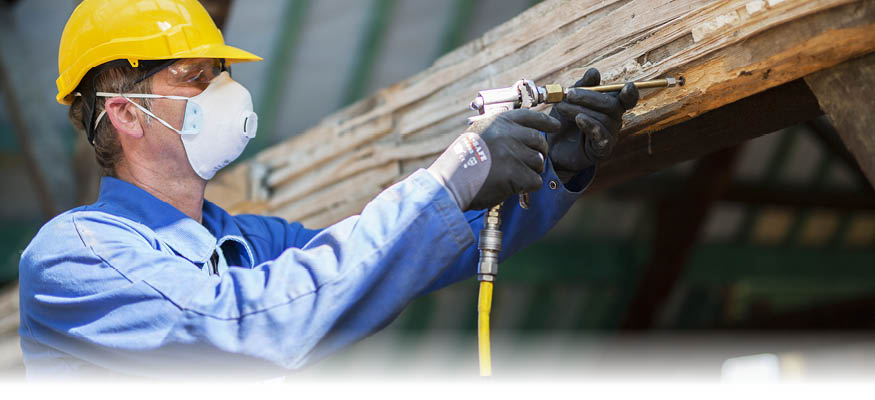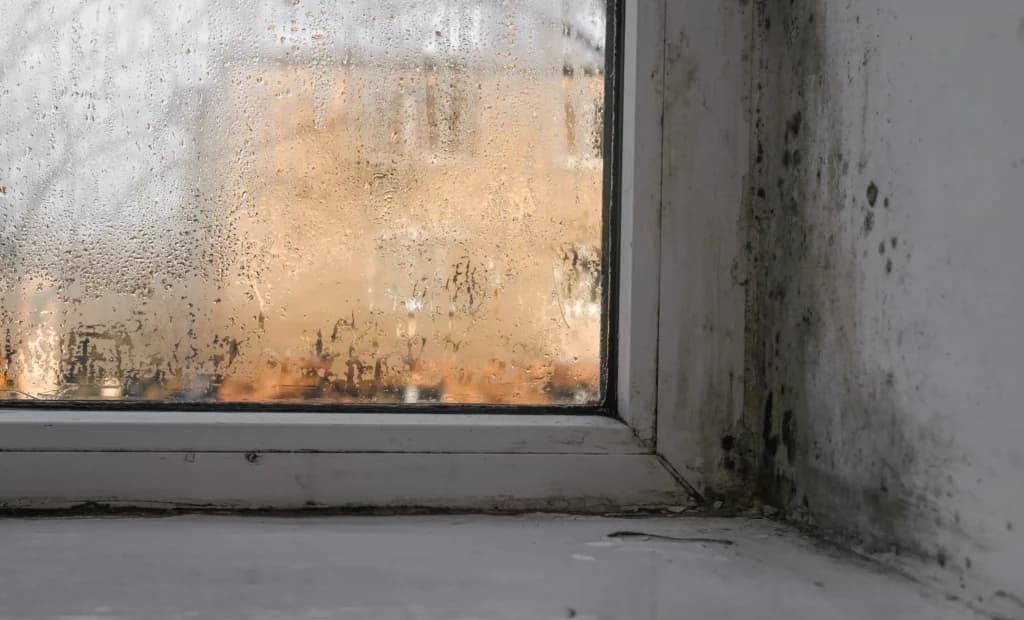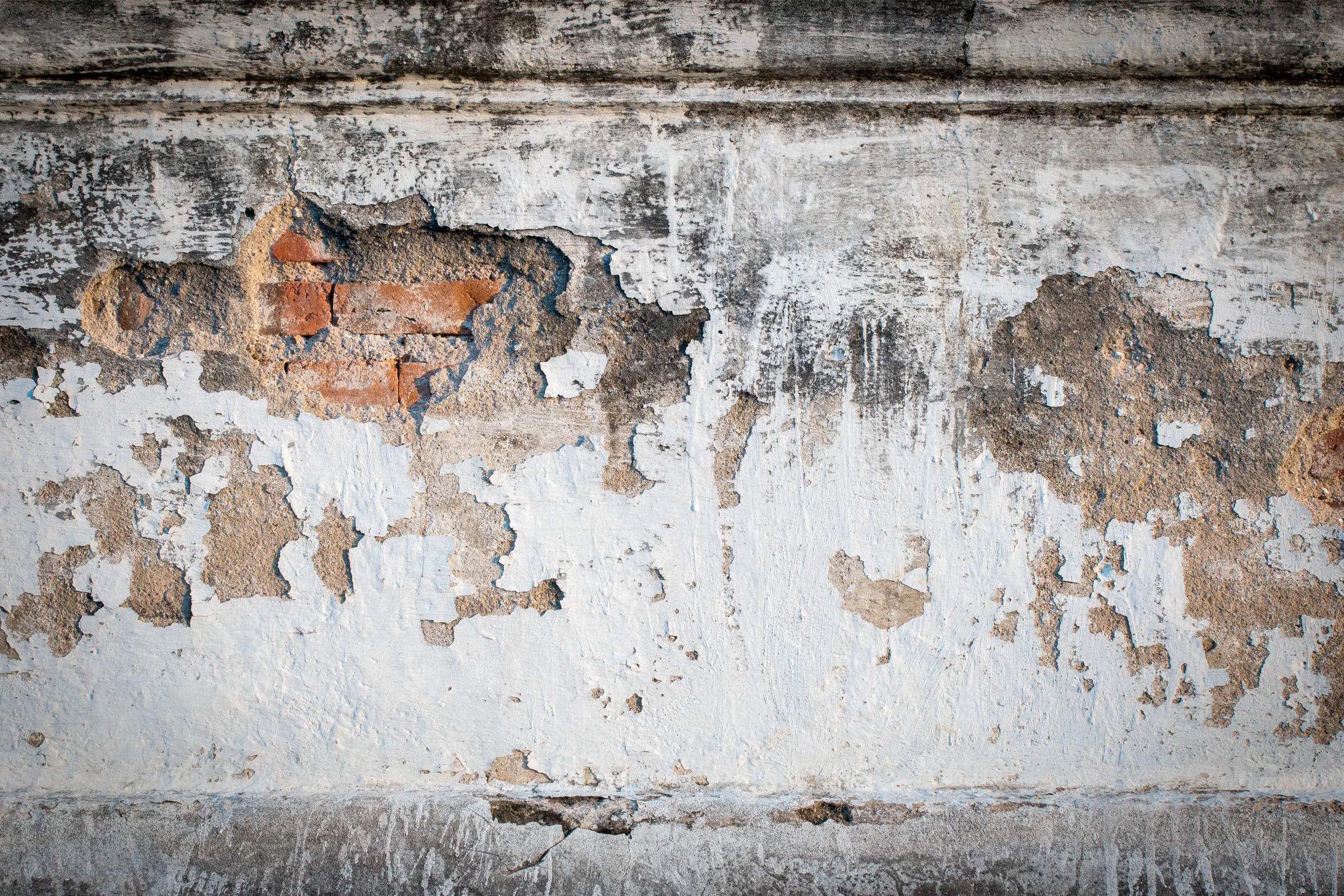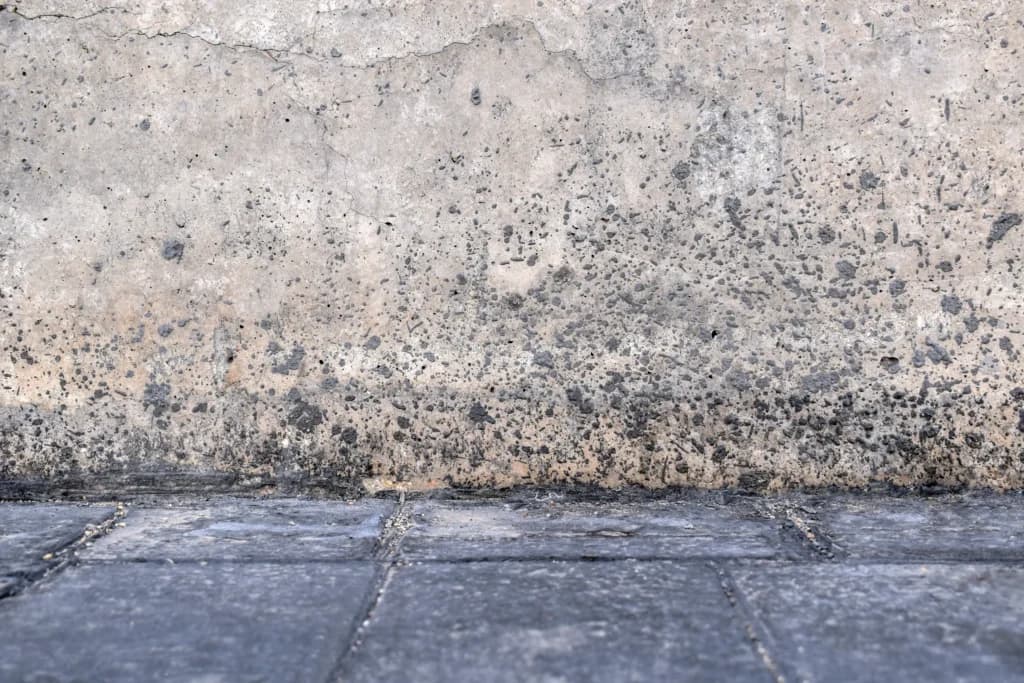
Mold Removal and Mold Remediation

Complete Guide To Mold Removal and Mold Remediation For a Safe & Healthy Home

Finding mold in your home can be stressful. It spreads quickly, it damages surfaces and it affects your air quality. Many people try to wipe it away with a cloth, only to watch it return a few days later. Here is the thing. Mold is not just a surface stain. It is a living organism that grows deep into porous materials. This is why proper mold removal and full mold remediation are necessary when you want long lasting results.
Let’s break it down in a clear, simple and honest way so you understand what mold really is, how it affects your home and how professionals get rid of it safely.

What Mold Actually Is and Why It Spreads

Mold is a type of fungus that thrives in damp, humid and poorly ventilated areas. It only needs moisture and an organic surface to grow. This is why it appears in bathrooms, basements, kitchens, crawl spaces and behind walls.

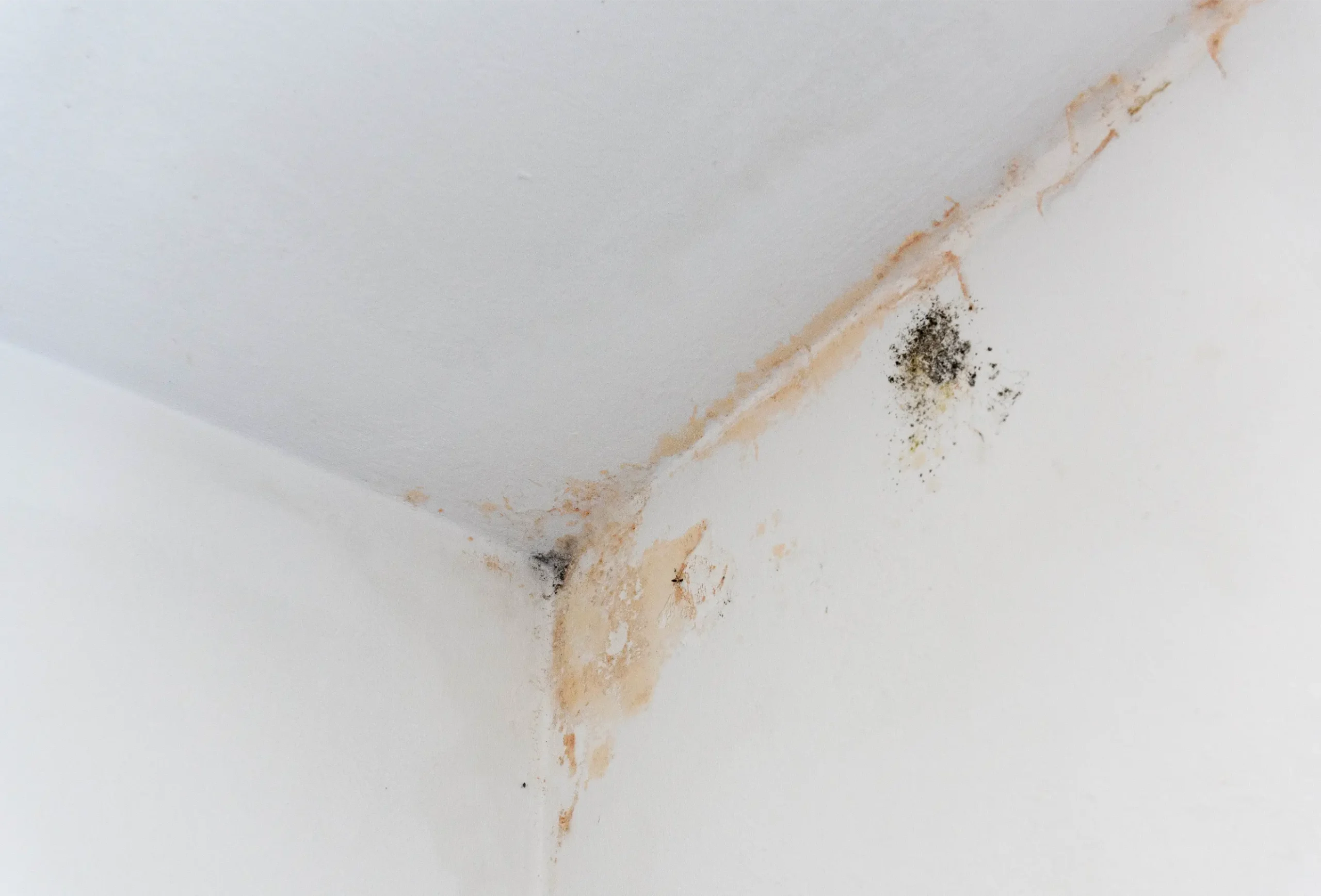
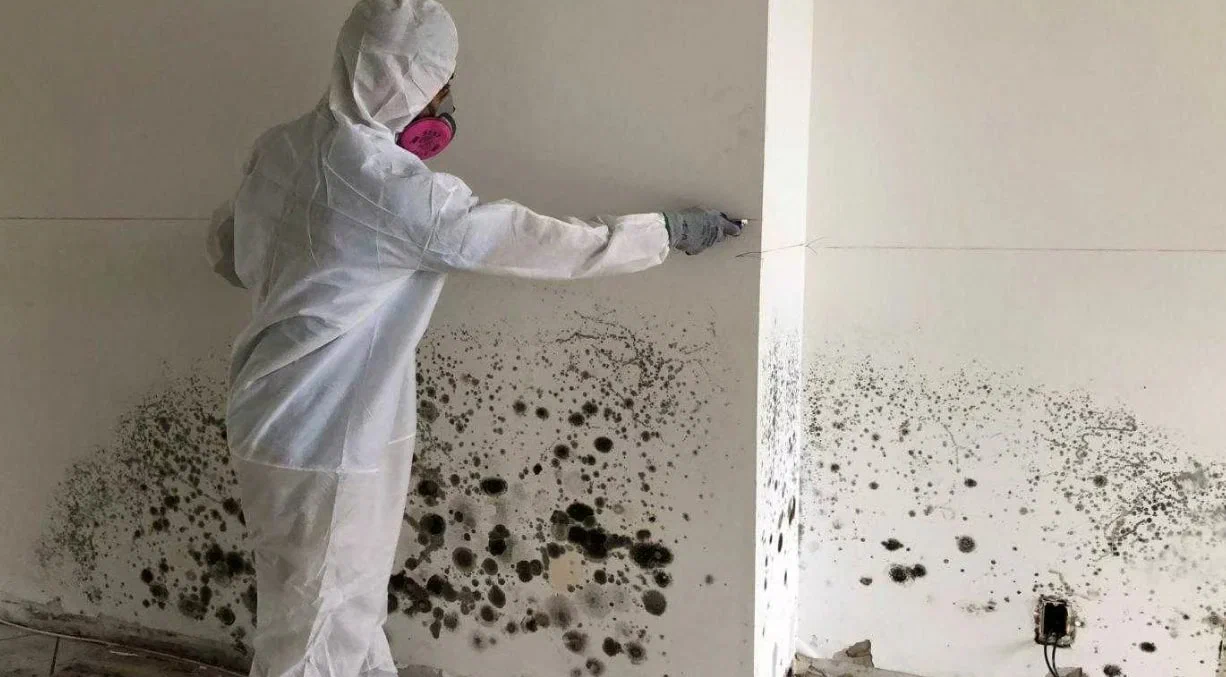
Common species include black mold, stachybotrys, aspergillus and penicillium. Many of these release spores into the air, which can trigger allergies and respiratory issues. When you see dark patches on walls or around windows, you are not just seeing dirt. You are looking at active growth that requires more than surface cleaning.

This is where real mold remediation becomes important.

Signs You Need Mold Removal Right Away

Some people ignore early signs because they think it is normal. The longer mold sits, the deeper it grows. Watch for:

• Musty or damp smells
• Black or green spots
• Flaky or bubbling paint
• Water stains on ceilings or walls
• Condensation in corners
• Visible mold on furniture
• Unexplained allergy symptoms

These are clear signals of mold growth that needs proper attention.

Why Mold Appears in Your Home

Mold needs moisture to live. If you can remove the moisture, you cut off its source. The most common causes include:

• Leaking pipes
• Roof leaks
• Poor ventilation
• High humidity
• Flooding
• Condensation on cold surfaces
• Damp basements

When moisture lingers, mold starts forming within 24 to 48 hours. That is why quick mold inspection matters when you notice early signs.

What Mold Removal Actually Means

Many people assume that mold removal means simply cleaning what they can see. Real removal means getting rid of visible mold and the mold growing inside surfaces. You cannot wipe away spores living under paint or inside drywall.

Professionals follow a complete process that targets both the surface and the source. This stops mold from coming back.

What Mold Remediation Means

Here’s what this really means. Mold remediation is a full restoration process. It includes stopping the moisture source, cleaning contaminated areas, repairing damage and restoring your home to a safe state.

It is a deeper and more structured process than simple cleaning. It deals with the root cause so the mold does not return.

Professional Mold Removal and Mold Remediation Explained

Let’s break down what a trained team does step by step. This helps you understand why professional work lasts longer than DIY cleaning.

1. Mold Inspection

A certified specialist checks the affected areas, measures humidity levels and identifies the mold species. This is important because black mold removal and general mold cleaning may require different approaches.

2. Containment

The team seals the affected area to prevent spores from spreading to other rooms. This keeps the rest of your home safe.

3. Air Filtration

HEPA air scrubbers remove airborne spores. These machines clean the air while the work is being done.

4. Mold Removal

Specialists remove contaminated materials that cannot be saved such as drywall, insulation or carpets if the mold has spread deeply. They also perform safe mildew removal on surfaces that can be cleaned.

5. Cleaning and Sanitizing

They use safe methods to clean walls, floors, ceilings and HVAC parts. This prevents mold regrowth and improves indoor air quality.

6. Repairs and Restoration

Once the mold is gone, the team fixes the damaged areas. This may include patching drywall, repainting walls or restoring structural surfaces.

7. Moisture Control

Finally, they guide you on how to stop future mold by improving airflow, reducing humidity and repairing leaks.

This is the complete cycle of true mold remediation.

DIY Mold Removal vs Professional Mold Removal

You can clean small patches of surface mold in a bathroom or kitchen. But here is the truth. DIY methods cannot reach mold inside walls, insulation or flooring. If you only clean what you can see, mold often returns within days.

Professionals use microbial remediation tools, HEPA filters, air scrubbers, moisture meters and dehumidifiers. They also follow strict safety steps to prevent contamination.

If you have more than a small patch, or if you suspect hidden mold, call a mold removal company for proper treatment.

Is Mold Dangerous to Your Health

Yes. Certain species like black mold can cause breathing issues, headaches, fatigue, coughing and skin irritation. Children, seniors and people with asthma are at higher risk.

Even less toxic species can trigger allergies. Mold spreads spores into the air, which means you breathe it unknowingly.

This is why safe and complete mold removal and mold remediation are important for a healthy living environment.

How Long Mold Remediation Takes

Small scale work may take a day. Larger areas with wall damage or water leaks may take several days. The timeline depends on:

• How deep the mold has grown
• How much material must be removed
• Whether structural repairs are needed
• Humidity levels in the home

A full mold remediation plan includes cleaning, drying, repairs and prevention steps.

How to Prevent Mold From Coming Back

After treatment, focus on long term prevention. Here are practical habits that help.

• Use bathroom and kitchen exhaust fans
• Fix leaks immediately
• Keep indoor humidity below 55 percent
• Open windows for airflow
• Use a dehumidifier in damp rooms
• Improve insulation in cold corners
• Clean condensation around windows
• Check basements during rainy seasons

Mold is a moisture problem first. If you control the moisture, you control the mold.

FAQ About Mold Removal and Mold Remediation

1. What is the difference between mold removal and mold remediation

Mold removal focuses on eliminating visible mold. Mold remediation goes deeper and fixes moisture issues, repairs damage and restores the area so mold does not return.

2. Can I remove mold myself

You can clean small patches, but large or hidden mold requires professional mold removal. DIY methods often miss spores inside walls.

3. How do I know if mold is dangerous

If you see dark patches, smell musty odors or suspect black mold, get a mold inspection. Some species release harmful spores.

4. How long does mold remediation take

It depends on the scale of damage. Small areas take a day. Larger projects take several days to remove mold, dry moisture and restore surfaces.

5. Does insurance cover mold

Some policies cover mold caused by sudden leaks or flooding. Long term moisture problems may not be covered.

6. Why does mold keep coming back

Mold returns when moisture remains. Fixing leaks, improving ventilation and reducing humidity are essential for long term prevention.

condensation on windows

Why Condensation On Windows Happens & How To Fix It For Good

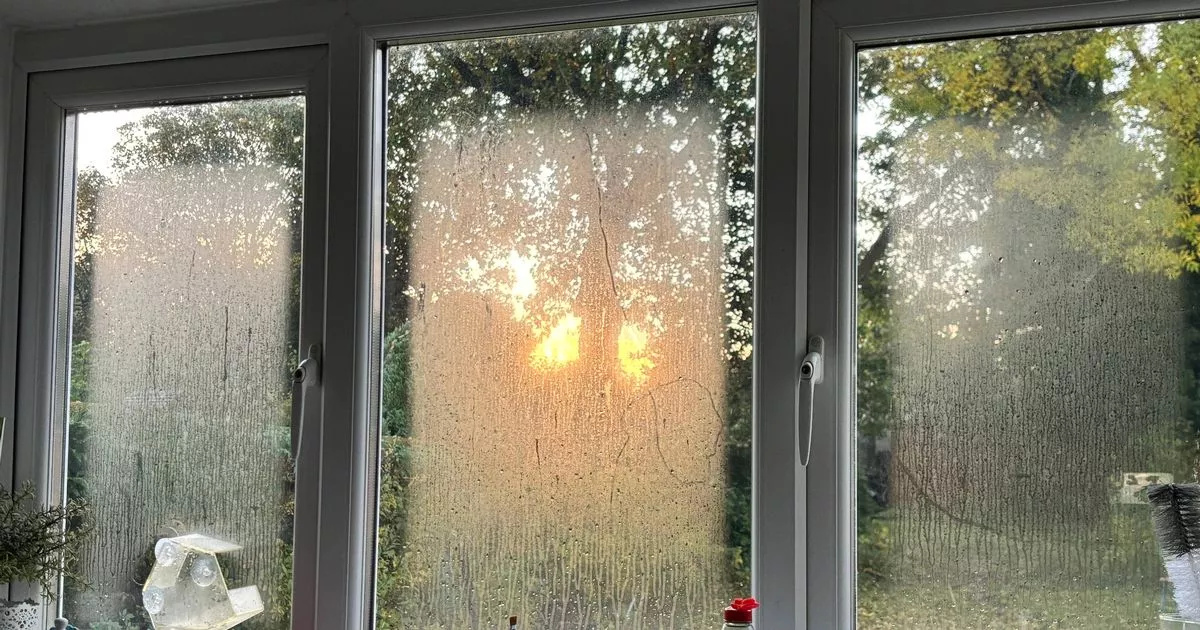
If you keep seeing condensation on windows every morning, you are not alone. Many homes deal with window condensation, especially during colder months. Still, most people are unsure why it appears, whether it is dangerous or how to stop it without replacing every window in the house.

Let’s break it down in a simple and useful way so you understand exactly what causes moisture on windows, how to get rid of it and how to protect your home from damp, mold and long term damage.

What Condensation on Windows Actually Means

When warm indoor air meets cold glass, the water vapor in the air turns into droplets. This is what creates water on the inside of windows. If the air inside your home has too much humidity, the glass becomes the perfect place for that moisture to settle.

This explains why you often see condensation on bathroom windows or in rooms without proper ventilation.

The real issue is not the glass. The issue is the air in the room.

Why Condensation Happens in the First Place

Most homes today are sealed tightly to save energy. While this helps with bills, it also traps humidity inside. Everyday activities release moisture without you even noticing.

Cooking
Showering
Drying clothes indoors
Breathing and sleeping
Using humidifiers

When this moisture cannot escape, it settles on cold surfaces, creating foggy windows, misted windows and even dripping windows.

If the problem becomes severe, you may start seeing damp patches, peeling paint or mold. This is when condensation on windows becomes more than a small inconvenience.

Common Signs You Have a Condensation Problem

You may already know you have wet windows, but here are the specific signs to look for.

• Water pooling on the window sill
• Thick droplets forming every morning
• Condensation forming between panes of glass
• Black mold around the frame
• Musty smells in the room
• Wallpaper peeling near the window

These signs point to high humidity and poor ventilation, which means you need to take action before the damage spreads.

Condensation Between Window Panes: A Different Problem

If the moisture is between the glass of double glazed windows, this is not regular window condensation. It means the window seal has failed. The insulating gas has escaped and the unit is no longer airtight.

This issue requires repair or replacement of the glass unit. A simple cleaning will not fix condensation between window panes.

Is Condensation on Windows Dangerous

Mild moisture on windows is normal, especially on cold days. The problem begins when droplets collect for weeks or months. This moisture can feed mold, damage paint and weaken timber frames.

Black mold, commonly found around wet windows, can trigger allergies and breathing problems. That is why reducing humidity is important for both your home and your health.

How to Stop Condensation on Windows: Practical Steps That Work

Here is what actually helps. No complicated tools. No heavy renovations. Just practical habits and smart adjustments.

1. Increase Ventilation

Fresh air helps reduce humidity. Open windows for a few minutes each morning or use trickle vents if you have them. This is one of the best ways to reduce indoor moisture.

2. Use Extractor Fans

Bathrooms and kitchens need strong airflow. Keep fans running after showers or cooking to remove excess moisture.

3. Move Furniture Away From Windows

Crowded walls trap moisture. Leave small gaps between furniture and cold surfaces so air can circulate freely.

4. Reduce Indoor Drying

Drying clothes indoors creates a lot of humidity. Use an outdoor space or a dryer whenever possible.

5. Control the Temperature

Keeping a stable room temperature helps slow down condensation. Cold homes attract more moisture.

6. Use a Dehumidifier

A dehumidifier pulls moisture out of the air and solves problems quickly. It is a simple fix for severe condensation on windows.

7. Repair Failed Seals

If you have moisture inside double glazing, fix the seal or replace the unit. This restores insulation and reduces window condensation.

8. Improve Insulation

Well insulated windows keep the glass warmer. Warm glass attracts less condensation.

When to Worry About Condensation

Light moisture is normal. Worry when:

• Condensation appears all day, not just morning
• Water drips onto the sill daily
• Walls around the window feel damp
• Black mold keeps returning
• Windows remain foggy even with ventilation

These signs show deeper moisture problems that may need professional attention.

Which Rooms Are Most at Risk

Some rooms naturally create more moisture. These include:

• Bathrooms
• Kitchens
• Bedrooms
• Basements
• Laundry rooms

Understanding the source of humidity helps you choose the right humidity control solutions.

Do New Windows Stop Condensation

This is a common question. New windows can reduce condensation on double glazing, but they cannot solve humidity problems on their own. You still need proper airflow, temperature control and moisture management.

Replacing windows is helpful when the seals have failed, or the frames are damaged, but it should not be your first solution.

Practical Long Term Solutions for a Dry Healthy Home

To keep condensation away for good, focus on these long term habits.

Keep rooms ventilated daily
Repair leaks
Use extractor fans consistently
Avoid blocking vents
Monitor indoor humidity levels
Check windows for mold and damp patches
Use energy efficient glazing where needed

Small steps make a big difference over time.

FAQ About Condensation on Windows

1. What causes condensation on windows?

Warm and humid indoor air touching cold glass creates condensation on windows. Cooking, showers, and poor ventilation make it worse.

2. How do I stop condensation on bedroom windows?

Improve airflow, keep the room slightly warmer and use a dehumidifier if needed. Bedrooms often trap moisture at night.

3. Why do my double glazed windows fog up

If the fog is between panes, the seal has failed. If it is on the inner surface, it is due to normal indoor humidity.

4. Is condensation harmful?

Yes. Ongoing window condensation can cause mold growth, damp patches and damage to frames and walls.

5. Will new windows fix condensation?

New windows help only when the seal has failed or insulation is poor. Humidity control is still necessary.

6. Why do I get more condensation in winter?

Cold outdoor temperatures cool the glass, while indoor heating increases humidity. This contrast increases water on inside of windows.

7. Can I paint over mold near windows?

You can, but the mold will return unless you fix the moisture problem. Always treat mold before painting.

woodworm treatment

Complete Guide To Woodworm Treatment & How To Protect Your Timber For Good

If you are noticing tiny holes in your timber, weak floorboards or dust around your wood surfaces, you may be dealing with woodworm. Most people discover it when the damage is already spreading. The problem is that wood boring insects work quietly. By the time you see visible signs, they may have already weakened important parts of your home.

This guide will help you understand woodworm treatment, how it works and how to stop an infestation before it becomes costly. We will explore the real causes, warning signs, trusted solutions and the step by step process professionals use. By the end, you will know exactly how to protect your timber and furniture with confidence.

woodworm treatment

What Is Woodworm?

The word woodworm refers to the larvae of several wood boring beetles. These larvae feed on timber from the inside and leave round holes when they exit. The common furniture beetle is responsible for most cases, but species like the house longhorn beetle and deathwatch beetle can also invade homes.

The important point is this. You are not just dealing with insects. You are dealing with larvae that eat through structural timber. This makes early woodworm inspection essential.

Common Signs You Need Woodworm Treatment

Before you think about any kind of woodworm control, you need to confirm that an infestation is active. Look for these signs.

  • Small round exit holes in timber
  • Fine dust known as frass around furniture or floorboards
  • Weak or crumbling edges on wood
  • Soft or hollow sounding beams
  • Beetles seen near windows or light sources

If you notice any of these, you are not dealing with simple cosmetic damage. You may need woodworm removal as soon as possible.

Why Woodworm Appears in the First Place

People often ask why it started. The truth is simple. Wood boring insects prefer timber that has the right moisture level. Damp areas like basements, attic spaces, old floorboards and poorly ventilated rooms invite larvae. When the insects find timber that suits them, they lay eggs and the cycle begins.

Good ventilation and dry wood can prevent a lot of problems. But if the infestation has already started, you need a direct woodworm treatment that targets the larvae inside the wood.

How Woodworm Damages Your Home

When larvae feed inside timber, they weaken the structure from within. This makes beams, joists and floorboards vulnerable. Over time, you may face sagging floors, timber collapse or expensive repairs.

This is why professionals always recommend a full timber pest treatment instead of surface cleaning or DIY sprays. The goal is to protect the entire wood structure, not just the visible layer.

Professional Woodworm Treatment Explained

Let’s break down how a specialist handles the problem from start to finish. The process is clear and direct.

  1. Full Inspection

A trained surveyor checks all vulnerable areas. They identify the insect species, confirm whether activity is fresh and check how deeply the larvae have entered the timber. This is the most important stage because real solutions start with accurate diagnosis. Professionals use NER insights like species identification to choose the right approach.

  1. Surface Cleaning

The timber is brushed to remove dust and debris. This lets the treatment soak into the wood more effectively.

  1. Application of Woodworm Treatment Chemical

A treatment fluid is applied to the timber. It penetrates deep inside and kills larvae on contact. This step stops the ongoing damage. This method is safe, long lasting and widely used for wood boring insect treatment.

  1. Strength Check and Repairs

If any areas have been badly affected, the team reinforces or repairs the timber. This ensures structure safety.

  1. Prevention for Future Protection

Once the infestation is gone, the specialist guides you on moisture control, ventilation improvements and long term woodworm prevention.

best woodworm treatment

DIY Woodworm Treatment vs Professional Treatment

Here is the thing. Many people start with DIY products because they seem simple and affordable. The challenge is that DIY sprays only reach the outer layer of the wood. Larvae live deep inside. Without deep penetration, the infestation returns.

Professionals use stronger formulas that move through the timber and kill larvae where they are hiding. They also identify the exact beetle type which influences the treatment plan.

If your issue involves roof beams, large floor areas or structural timber, a professional woodworm treatment is the safest option.

How Long Woodworm Treatment Takes

The treatment itself is usually completed in a single visit. Most surfaces dry within a few hours. If structural repairs are needed, the timeline increases, but this depends on the amount of damage.

The important part is follow up monitoring. That ensures no fresh holes appear and confirms full woodworm elimination.

Protecting Timber After Treatment

Once the infestation is gone, you want to keep your home safe. Focus on the basics.

  • Improve ventilation
  • Fix leaks and damp spots
  • Maintain steady temperature and airflow
  • Inspect furniture regularly
  • Keep attic and basement areas dry
  • Use timber preservation products when needed

Small steps often prevent future infestations and keep your wood strong and healthy.

Why Professional Woodworm Treatment Is Worth It

When you hire a specialist, you get more than just chemicals. You get experience, accurate diagnosis and long term peace of mind. A professional can identify whether your problem is due to the common furniture beetle, longhorn beetle or another pest. That matters because each insect behaves differently.

A professional service also offers treatment guarantees, safe products and proper repair of damaged timber. For homeowners who want to protect their property for the long run, this is the smartest route.

FAQ About Woodworm Treatment

  1. How do I know if woodworm is still active?

If you see fresh frass, new holes or light wood around the edges, the infestation is active. A woodworm inspection confirms this with certainty.

  1. Can I treat woodworm myself?

You can try DIY products for minor furniture pieces but deep or structural infestations need professional woodworm removal. DIY sprays may not reach the larvae inside the timber.

  1. How long does the treatment last?

A good woodworm control treatment protects timber for many years. Most professionals offer long term guarantees.

  1. Will the treatment damage my furniture?

No. Safe chemical treatments used for woodworm treatment are designed to protect both structural timber and delicate wood surfaces.

  1. What areas of the home are most at risk?

Attics, basements, roof joists, floorboards, antique furniture and damp rooms are the most common areas for woodworm infestation.

  1. How much does woodworm treatment cost?

The cost depends on the size of the affected area and the level of damage. A surveyor gives an accurate quote after inspection.

Final Thoughts

Dealing with woodworm can feel overwhelming, but the right approach makes the problem manageable. Once you understand the signs, causes and treatment options, protecting your home becomes much easier. A trusted woodworm specialist can remove the infestation, protect your timber and help you prevent future issues.

If you suspect any activity, act early. Early woodworm treatment saves your wood, saves your money and saves your home from deeper structural problems.

damp issues

How to Check for Damp Before You Buy a Property: Essential Tips and Techniques

Before you buy a property, it’s crucial to know how to check for damp before you buy a property. Dampness can lead to expensive repairs and health issues. This guide will help you identify signs of damp and what to do if you find them.

Key Takeaways

  • Checking for damp before purchasing a property is essential to avoid costly repairs and health risks.
  • Visible and hidden signs of damp, including mold and musty odors, must be thoroughly inspected to prevent structural damage.
  • Hiring a qualified damp surveyor ensures accurate diagnosis and treatment, protecting your investment from damp-related issues.

Importance of Checking for Damp Before Purchase

Checking for damp when buying a house is crucial. Damp problems can result in extensive repairs, structural issues, and health risks. 

Dampness can also cause wooden structures to rot, plaster to crumble, and even lead to mould growth, which can exacerbate respiratory issues and other health problems. The financial implications of ignoring damp can be significant, often resulting in unforeseen expenses and costly repairs down the line.

Our team of professional damp surveyors at Environ Property Services can accurately diagnose potential damp issues and identify severe problems that may compromise the safety and integrity of the property. They have the expertise to spot signs of damp that might not be immediately visible to an untrained eye, providing you with a detailed report and recommended actions.

A damp survey before purchasing a property can save future headaches and financial loss. Addressing damp issues early prevents further damage and maintains the value and safety of your new home.

What Are the Visible Signs of Damp?

Identifying visible signs of damp is the initial step in assessing a property’s condition. Common indicators of damp include mould or mildew around windows and doors, discoloured patches on wallpaper, and walls that appear damp or have peeling wallpaper. 

These signs can suggest underlying moisture problems that need to be addressed.

When left untreated, they can lead to more significant structural issues and extensive damage.

Walls and Ceilings

Walls and ceilings are common areas for damp. Peeling wallpaper, paint discolouration, and crumbling plaster can indicate underlying issues. These not only affect aesthetics but may also signal severe structural damage.

Discoloured patches on walls and ceilings indicate moisture problems, including damp patches. These can result from condensation, rising damp, or penetrating damp, each needing different solutions. Prompt action can prevent further damage and costly repairs.

Moisture meters are essential tools for identifying damp issues by measuring moisture content in walls and floors. These devices work by detecting moisture levels either through electrical resistance or capacitive measurement. 

To use a moisture meter, select the appropriate scale, place the probes on the surface, and read the displayed moisture content.

Skirting Boards and Floorboards

Skirting boards and floorboards can reveal a lot about the property’s damp conditions. Rotting skirting boards are a clear indicator of rising damp, which can cause significant damage to wooden structures. 

Spongy floorboards suggest rotting wood due to moisture, indicating that the damp problem has already caused substantial damage.

Thorough inspection of these areas can spot damp issues early and prevent further deterioration.

Basement and Cellar

Basements and cellars are prone to damp due to their below-ground location. Musty smells often indicate damp or mould growth. Cold walls can suggest moisture retention, signaling damp conditions.

Identifying these common signs early can help mitigate the risk associated with damp.

Musty Smell

A musty smell is often one of the first indicators that hidden damp may be present in a property. This odour is a common sign of hidden damp within walls and other areas that might not be immediately visible.

Any musty odours during an inspection indicate potential damp issues needing further investigation.

Hidden Damp Issues

Hidden damp issues can be just as problematic, if not more so, than visible signs. These issues often lurk behind appliances, under furniture, or near plumbing fixtures, making them harder to detect. 

Also, check areas that are not immediately visible, such as behind kitchen appliances or under bathroom sinks, to reveal potential damp problems. 

To effectively spot hidden damp, conduct a thorough inspection. Addressing these hidden issues promptly can save you from costly repairs and health complications.

What Are the Different Types of Damp?

Understanding the different types of damp is crucial for effective diagnosis and treatment. Each type has distinct causes and requires different methods of treatment to resolve.

The three main types of damp are:

  • Rising damp
  • Penetrating damp
  • Condensation

Rising Damp

Rising damp is a serious issue caused by groundwater rising through walls due to capillary action. A clear visual indicator of rising damp is a tide mark on the wall, which can be seen up to 1 meter in height. White, powdery salt deposits on walls are another sign of rising damp.

Unlike rising damp, typically found below one meter, penetrating damp can occur at any height. Addressing rising damp promptly prevents further structural damage and health risks. Ensuring a functioning damp proof course can help mitigate this issue.

Penetrating Damp

Penetrating damp is caused by external defects, such as cracks in the walls, damaged gutters, and leaking pipes. Water stains on walls are clear signs of damp issues from plumbing or structural problems. Unlike rising damp, a penetrating damp problem can appear at any height.

Inspecting external walls for signs of penetrating damp is crucial to prevent further property damage. Fixing external defects and ensuring proper drainage can help mitigate these problems. 

Prompt action can save costly repairs and maintain structural integrity, ensuring that issues are fixed before they escalate.

Condensation

Condensation occurs when warm, moist air comes into contact with cold surfaces, leading to water droplets forming on windows and walls. Poor ventilation is a primary cause of condensation in properties. 

This issue is particularly common in bathrooms and kitchens, where activities like showering and cooking produce a lot of moisture. 

Excessive condensation on windows or walls are main signs of condensation. Dark mould on surfaces can also indicate this issue.

In solving the problem of condensation, enhancing ventilation is key. Methods to reduce indoor humidity include:

  • Installing extra openings
  • Removing vegetation blocking outside walls
  • Ensuring adequate heating and ventilation, especially during winter

These steps can significantly reduce condensation issues.

Getting Professional Help for Damp Surveys

While it’s possible to spot some obvious signs of damp yourself, diagnosing the true cause and extent of the problem requires specialist knowledge. Different types of damp often show similar symptoms, but the underlying issues and the right treatments vary widely. Misdiagnosis can mean wasted money on ineffective fixes, while the real problem continues to damage your property.

Professional damp surveyors don’t just look for visible clues. They use advanced equipment such as moisture meters and thermal imaging cameras to detect hidden damp issues that aren’t immediately obvious. This ensures you get a complete, accurate picture of your property’s condition.

Independent damp surveyors offer unbiased assessments and help identify the root causes of damp problems. This professional advice is invaluable, especially for first-time buyers. A homebuyer’s report should identify the need for a damp assessment if potential issues are noted.

Let Us Handle Your Damp Surveys Professionally

At Environ Property Services, we specialise in carrying out detailed damp surveys that go far beyond a quick visual inspection. 

Our surveyors are highly trained in identifying all types of damp, whether it’s hidden behind walls, under floors, or caused by structural defects outside the property. Every survey we perform is thorough, precise, and tailored to the specific needs of your building.

We know how stressful buying or maintaining a property can be, which is why we provide clear reports with actionable solutions, not just technical jargon. Our goal is to give you peace of mind by uncovering potential damp problems early before they become expensive headaches.

Once your survey is complete, we’ll talk you through the results, explain the options available, and recommend the most effective course of action. And because we’re not just surveyors but damp proofing specialists, we can also carry out the necessary treatments if needed. That’s why so many homeowners and property buyers trust us. We also provide professional damp proofing services.

What to Expect in a Damp Survey

A damp survey usually includes moisture readings, thermal imaging, and a detailed report of findings and necessary actions. This comprehensive approach helps determine moisture content and the specifics of damp problems.

Hiring a professional damp survey service to check for damp before purchasing a property is a wise investment to avoid future complications.

Remedies and Preventive Measures for Damp Problems

Addressing damp issues promptly prevents further complications and high costs. Ignoring these issues can lead to rotting structural elements and expensive repairs. 

Fixing the moisture source is vital for treating penetrating damp, while rising damp needs immediate attention to prevent extensive damage.

Preventative measures are important for maintaining a damp-free home. 

Improving Ventilation

Improving ventilation reduces moisture buildup by allowing moist air to escape. Installing extractor fans in kitchens and bathrooms can help reduce humidity in specific areas. Opening windows and vents regularly also aids in reducing indoor humidity.

To prevent excess moisture indoors:

  • Drying clothes outside.
  • Use pan lids while cooking.
  • Address leaks promptly.
  • Keep surfaces dry.

These necessary steps are crucial for maintaining a damp-free process.

Proper ventilation also contributes to a healthier living space.

Damp Proofing Solutions

Chemical damp-proof courses can be a quick and cost-effective way to address damp issues.

Injecting a chemical damp-proof course and re-plastering the walls can provide an affordable solution. Basement tanking is recommended for severe cases, such as a damp basement. The cost varies depending on the severity and home size.

A proper damp proof course is crucial for preventing rising damp. Regular inspections and timely repairs maintain the effectiveness of damp proofing solutions. Consulting a specialist provides insights into the best solutions tailored to your property’s needs, ensuring long-term protection.

Regular Maintenance

Regular maintenance prevents structural damage and health risks associated with damp issues. Key points include:

  • Visible signs of damp, like discoloured patches and mould, highlight the importance of ongoing maintenance.
  • Identifying hidden damp issues early can save homeowners from costly repairs.
  • Regular inspections and prompt repairs of leaks and cracks in walls and roofs can significantly reduce damp-related problems.

Enhancing property ventilation helps avoid condensation and subsequent damp issues. Proper maintenance protects the property from damp and increases its value over time. Routine maintenance can substantially lower long-term repair costs.

Homeowners should perform seasonal checks and maintain a regular maintenance schedule to combat damp issues effectively.

Environ Property Services: Protect Your Home With Our Damp Proofing Services 

With over 15 years of experience and memberships including PCA and TrustMark, Environ Property Services provides expert damp diagnosis and damp proofing services. 

We bring together traditional restoration skills and modern survey technologies for effective, tailored solutions. Our commitment to preserving historical significance while employing modern conservation practices sets us apart as industry leaders.

If your property already shows signs of damp, it’s vital to act quickly. At Environ Property Services, we offer a full range of damp proofing solutions designed to stop moisture at its source and protect your building for years to come. Whether it’s rising damp, penetrating damp, or condensation issues, we have the knowledge and expertise to provide long-lasting solutions.

Our team uses proven methods such as chemical damp proof course injections, tanking systems for basements, and waterproof membranes to ensure your property remains dry and structurally sound. Every treatment is tailored to your unique situation, ensuring you get the most effective results possible.

We pride ourselves on not just fixing the visible problem but addressing the root cause. That means your damp issues won’t return, and you can enjoy the comfort and security of a dry, healthy home. With our comprehensive damp proofing services, your property is always in safe hands.

Why Choose Environ for Your Damp Needs?

Choosing the right company to handle damp problems makes all the difference. At Environ Property Services, we stand out because we combine professional expertise, reliable service, and a customer-first approach. Our goal is to deliver solutions that last, not just quick fixes.

With years of experience in damp diagnosis and treatment, our specialists have worked on everything from modern apartments to heritage homes. We understand the unique challenges different properties face and provide tailored solutions that respect the structure and character of your building.

When you work with us, you can expect:

  • Accurate diagnosis with professional-grade equipment and expertise.
  • Tailored damp proofing treatments designed for lasting effectiveness.
  • Clear communication so you understand every step of the process.
  • Trusted service backed by guarantees for your peace of mind

That’s why homeowners, landlords, and property buyers across London and beyond trust Environ to protect their investments.

Frequently Asked Questions

Why is it important to check for damp before buying a house?

Check for damp before buying a house to avoid potential structural damage and health risks, which can lead to significant financial losses. Ensuring the property is free of damp issues protects your investment and well-being.

What are the common visible signs of damp?

The common visible signs of dampness include mould or mildew around windows and doors, discoloured patches on wallpaper, peeling wallpaper, or crumbling plaster. Addressing these issues promptly can help prevent further damage to your property.

How can I detect hidden damp issues?

To detect hidden damp issues effectively, look for musty odors and cold walls, and utilize moisture meters to assess moisture levels in your walls and floors. Addressing these signs early can prevent more significant damage.

What are the different types of damp?

The three primary types of damp are rising damp, penetrating damp, and condensation, each with unique causes and treatment approaches. Understanding these distinctions is crucial for effectively addressing damp issues in a property.

Why should I hire a professional damp surveyor?

Hiring a professional damp surveyor guarantees an accurate assessment of damp issues, leading to effective solutions and preventing further property damage. Their expertise offers peace of mind and ensures that the underlying causes are properly addressed.

Conclusion

Checking for damp before purchasing a property is essential to avoid potential structural damage, health risks, and unforeseen financial losses. 

From identifying visible signs to understanding different types of damp and employing effective remedies, this guide has covered all critical aspects. 

Consulting a professional damp surveyor and taking timely preventative measures can ensure a safe and healthy living environment.

Our expertise at Environ Property Services in providing comprehensive restoration and tailored solutions further ensures that your property remains damp-free and well-maintained. Take action today to safeguard your investment and enjoy peace of mind in your new home.

What is a Damp Proof Course? A Complete Guide to DPC

A damp proof course (DPC) is a protective barrier built into a property to prevent moisture from rising through walls by capillary action. 

Its primary role is to stop rising damp, which can damage plaster, timber, and masonry while also leading to health issues caused by mould and poor air quality.

In this guide, we’ll explain the different types of DPCs available, how they are installed, the warning signs that suggest your property might need one, and the costs involved. 

Understanding what a damp proof course is and how it works is essential for maintaining your home’s long-term stability and value.

Key Takeaways

  • A Damp Proof Course (DPC) is essential in construction, preventing rising damp and protecting properties from moisture-related damage.
  • Different types of DPCs, including physical membranes, chemical treatments, and electro-osmosis, are available, each suitable for specific construction needs.
  • Proper installation and regular maintenance of DPCs are crucial for effectiveness, and hiring professionals can ensure optimal solutions and long-term protection.

Understanding Damp Proof Course (DPC)

A damp proof course (DPC) is a critical component in building construction. It acts as a physical barrier to prevent moisture from rising from the ground into a property’s walls.

The primary function of a DPC is to combat rising damp, which occurs when moisture travels upward through walls due to capillary action. 

Without an effective damp proof course, properties can suffer from various damp problems, including structural damage, deterioration of plaster, and even health issues due to mould growth.

However, even the best DPCs can fail if not properly installed or maintained. This makes regular inspections and maintenance crucial to prevent rising damp and ensure the longevity of your property.

Types of Damp Proof Courses

Damp proof courses are available in several forms, each suited to different building designs and levels of damp exposure. The most common types include:

  • Physical DPCs
  • Chemical DPCs
  • Electro-osmotic DPCs

Physical Damp Proof Membrane

Physical damp proof membranes are typically used in new builds and are installed under floors or on walls to prevent moisture ingress. These membranes are compatible with various construction types, including cavity walls, solid walls, and timber frame constructions. 

Common materials used include bitumen felt, plastic, and lead-lined bitumen, all of which meet relevant British Standards for durability and effectiveness.

The installation process involves cutting the membrane to size and ensuring it is fitted correctly to provide a continuous barrier against moisture. This method is highly effective for preventing rising damp and protecting the structural integrity of the building.

Chemical Damp Proofing

Chemical damp proofing (also known as damp proof injection) involves injecting a silane- or siloxane-based cream or fluid into pre-drilled holes in the mortar joints of walls. This treatment penetrates the masonry and lines its pores with a water-repellent barrier, effectively preventing rising damp. This method is particularly useful for treating rising damp in existing buildings where physical membranes cannot be easily retrofitted. 

The chemical treatment ensures that moisture cannot penetrate the walls, thus protecting the interior from damp problems.

This process is suitable for various constructions, including basements and older properties where maintaining the original brickwork is crucial. It offers a reliable solution for preventing rising damp and ensuring the longevity of the built structure.

Electro Osmosis

Electro-osmotic damp proofing is a non-chemical method that uses low-voltage currents to reverse the upward movement of moisture. 

Conductive wires, often titanium, are built into the walls to direct the moisture back into the ground. It is an effective solution for properties where traditional chemical or physical damp proofing methods may not be suitable.

This method is particularly beneficial for older buildings with historical significance, as it minimises the need for invasive procedures and helps preserve the original structure while providing effective damp proofing.

Signs Your Property Needs a New Damp Proof Course

Recognising the signs of a failing damp proof course is crucial to preventing further damage to your property. One of the most common indicators is the appearance of tide marks on damp walls, which occur due to rising damp. 

These marks often appear as large wet patches or discoloured areas on the wall, typically below 1.5 meters in height.

Mould growth, particularly black spores appearing on walls, is another frequent indicator of damp issues. This not only affects the aesthetics of your property but can also pose significant health risks. Salt deposits, visible as efflorescence, suggest rising damp and indicate that the existing damp proof course may be compromised.

Other signs include peeling paint or wallpaper, which often results from moisture accumulation due to a failing DPC. Regular inspections of your property are essential to detect these early signs and promptly address any cracking or damage in the walls. Early detection and repair can prevent more costly damage in the future.

Cost Breakdown of Installing a Damp Proof Course

The cost of installing a damp proof course can vary depending on several factors, including the type of treatment chosen and the size or condition of the property. 

Common options include chemical injection, damp proof membranes, basement tanking, and ceramic tube systems, each with its own installation requirements and complexity. 

Because every property is different, costs are usually assessed on a case-by-case basis rather than through fixed pricing. Additional considerations, such as labour and any necessary preparatory work, can also affect the overall cost. 

For this reason, it is always recommended that a professional survey be arranged to receive an accurate, tailored quotation. Careful planning helps ensure you budget effectively for your damp proofing project.

Factors Affecting Damp Proofing Costs

Several factors influence the cost of damp proofing, with the severity of damp issues being a critical determinant. 

Minor damp problems are generally less expensive to address, whereas more severe issues require extensive treatment and higher costs. The extent of the affected area also plays a significant role; larger areas typically incur higher expenses.

Geographical location can impact pricing, with labour rates often being higher in urban areas like London, UK. Additional costs may arise from preventative measures such as purchasing dehumidifiers. Understanding these factors can help property owners budget more effectively for damp proofing projects.

The Process of Installing a Damp Proof Course

Installing a damp proof course begins with conducting a damp survey to accurately diagnose any damp-related issues in the building. This step is crucial for determining the most appropriate treatment method. Once the survey is complete, all existing plaster and deteriorated surfaces should be removed to ensure proper adhesion of the damp-proof membrane.

The installation process involves cutting the damp-proof membrane to size and securing it to the walls with appropriate plugs to avoid gaps that could allow moisture to seep through. After the membrane is installed, a wall finish is applied to protect it and enhance the aesthetic of the wall. To ensure effectiveness, it is crucial to install the damp-proof membrane correctly.

This comprehensive process ensures an effective barrier against moisture, protects the property from rising damp, and fixes material issues.

Benefits of a Professional Damp Proof Course Installation

Hiring a professional damp-proofing service is crucial for effectively eliminating moisture-related problems. Professionals utilise advanced techniques and tools to deliver comprehensive solutions for damp-proofing, ensuring long-lasting protection. They provide expert assessments and personalized recommendations tailored to the unique needs of each property.

A professional installation helps to prevent future structural damage caused by moisture and significantly reduces the risk of mould and mildew growth, enhancing the overall health of living environments. Engaging experts can also lead to reduced long-term maintenance costs associated with damp problems.

Maintaining Your Damp Proof Course

Maintaining your damp proof course is essential to ensure its effectiveness and longevity. Key maintenance steps include:

  • Continuous monitoring of the damp proofing system to identify any potential future issues.
  • Clearing gutters and drains to prevent water accumulation near the foundation.
  • Maintaining adequate ventilation to avoid condensation issues.

Effective damp proofing enhances a home’s energy efficiency and improves indoor air quality by preventing mould growth. Implementing these maintenance practices can help preserve the integrity of your damp proof course and protect your property from moisture-related damage.

Choose Environ Property Services for Your Damp Proofing Needs

Here’s How Our Damp Survey Service Helps

When it comes to damp, guessing simply isn’t good enough. Our damp proofing survey service is designed to give you clear answers and actionable solutions. We carry out a thorough inspection of your property, looking at walls, floors, ceilings, basements, and even hidden areas to uncover any signs of moisture.

Using specialist equipment like moisture meters and thermal imaging, we can identify both visible and hidden damp problems that the untrained eye might miss. After the inspection, you’ll receive a detailed report that explains the causes and risks and recommends the next steps for treatment.

Whether you’re buying a new home, dealing with ongoing damp issues, or just want peace of mind, our damp survey service ensures you know exactly what you’re dealing with. And if needed, we also provide full damp proofing services.

Why Our Damp Proofing Services Work

Once damp has been diagnosed, fixing it properly is essential. Our damp proofing services go beyond quick fixes, we offer long-term solutions tailored to your property’s unique needs. From installing chemical damp proof courses to tanking basements and repairing failed membranes, we provide treatments that actually work.

We use proven methods and high-quality materials to ensure your walls, floors, and foundations are properly protected. Every solution is designed with durability in mind, so you won’t be dealing with recurring damp issues year after year.

Whether your property is modern, period, or listed, our team has the experience to apply the right damp proofing system. With us, you get professional results that safeguard your home’s structure and improve your living conditions.

Why Choose Environ for Damp Proofing and Damp Surveys?

Choosing the right company for damp proofing isn’t just about fixing the issue, but also about trust, reliability, and long-term protection. We pride ourselves on being thorough, professional, and customer-focused. Every project we take on is handled with precision and care, ensuring your home is safe and secure.

Our team of surveyors and technicians are fully trained, highly experienced, and uses the latest diagnostic tools and treatment methods. This means you get an accurate diagnosis and a lasting solution, not a patch-up job that leaves you dealing with the same issues later.

We’ve built our reputation on honesty and transparency. From the first survey to the final fix, we keep you informed every step of the way. Contact us today to book a service and get a detailed estimate. 

Frequently Asked Questions

What is a damp proof course (DPC)?

A damp proof course (DPC) is an essential barrier, usually made of plastic, that prevents moisture from rising through the walls of a property. It plays a crucial role in protecting the integrity of the structure.

What are the signs that my property needs a new damp proof course?

If you notice tide marks, mould growth, salt deposits, peeling wallpaper or paint, or damp walls below 1.5 meters, it indicates that your property likely requires a new damp proof course. Addressing these signs promptly can help prevent further damage.

How much does it cost to install a damp-proof course?

The overall cost depends on the size and condition of the property, so a survey is needed for an accurate quotation. Prices for damp proof membranes are not fixed and are provided on a case-by-case basis.

What are the benefits of hiring a professional for damp proofing?

Hiring a professional for damp proofing ensures expert assessments, the application of advanced techniques, and long-lasting protection, thereby preventing future structural damage and reducing maintenance costs. This decision ultimately safeguards your property and enhances its lifespan.

How can I maintain my damp proof course?

To maintain your damp proof course effectively, consistently monitor it, clear gutters and drains, ensure adequate ventilation, and conduct regular inspections. These practices will help prevent moisture issues in your property.

Conclusion

Damp proofing is an essential aspect of maintaining a healthy and structurally sound property. From understanding what a damp proof course is to recognising the signs of a compromised DPC and knowing the costs involved, this guide has provided a comprehensive overview. 

The various types of DPCs, including physical, chemical, and electro-osmotic methods, offer solutions for different construction needs.

Choosing professional services for damp proofing ensures long-term protection and reduces the risk of future issues. We stand out for our expertise, tailored solutions, and commitment to preserving properties’ historical integrity. Investing in effective damp proofing not only protects your property but also enhances its value and longevity.

Damp Proof

What Is Damp Proof Membrane and Why You Need It for Your Home

A damp proof membrane (DPM) is a barrier used in construction to prevent moisture from entering floors and walls.

It’s essential for maintaining the structural integrity of a building by keeping it dry. This article will cover what a damp proof membrane is, how it works, and its importance.

Key Takeaways

  • Damp proof membranes (DPMs) are essential barriers that prevent moisture ingress, protecting the structural integrity of buildings against damp-related issues.
  • Various types of DPMs, including liquid, sheet, and self-adhesive membranes, cater to different construction needs and conditions, ensuring effective moisture control.
  • Professional installation of DPMs is crucial for compliance with building regulations, enhancing the effectiveness of damp proofing solutions, and safeguarding properties from moisture damage.

Understanding Damp Proof Membrane

A damp proof membrane (DPM) is a vital component in modern construction, designed to prevent damp and moisture from penetrating the building’s structure and interior. Essentially, it acts as a barrier that stops moisture from rising through floors and walls, thereby protecting the integrity of your property.

Typically made from materials like polyethylene or bitumen, damp proof membranes are laid on walls and floors during construction to prevent rising dampness and other moisture-related issues.

DPMs ensure the longevity and durability of your home by creating a continuous barrier against moisture, making them indispensable for both new builds and renovation projects.

Importance of Damp Proof Membranes

The installation of a damp proof membrane is crucial in maintaining a building’s structural integrity. DPMs help avoid water damage that can compromise a building’s foundations by preventing moisture ingress.

This is particularly important in areas prone to high humidity or heavy rainfall, where the risk of dampness is significantly higher.

Effective use of damp proof membranes can dramatically extend the lifespan of a building. These membranes protect the property from deterioration by safeguarding against rising damp and other moisture-related issues, ensuring it remains structurally sound and aesthetically pleasing for years.

In essence, a DPM is not just a protective measure but a durable investment that protects the security, longevity, and health of your home.

Types of Damp Proof Membranes

Damp-proof membranes come in different types of forms, each suited to different applications and environmental conditions. One of the most common types is the liquid damp proof membrane, which is applied as a liquid to create a seamless moisture barrier. This type is particularly useful in areas with complex shapes or where a continuous barrier is required.

Sheet membranes are another popular option, available in pre-formed rolls that need to be overlapped at the joints to ensure a continuous barrier. These sheets can be made from insulation materials like polyethene, polypropylene, and bitumen-based membrane coating, each offering unique benefits in terms of durability and moisture resistance.

Self-adhesive membranes provide ease of installation as they stick directly to surfaces without the need for additional adhesives. Additionally, aluminium-based damp proof sheets are known for their durability and reflective properties, offering enhanced moisture resistance. With so many options available, it’s essential to choose the right type of DPM based on the specific needs of your project.

How Damp Proof Membranes Work

Damp-proof membranes function by creating an impermeable barrier that prevents moisture from rising through floors and walls.

When installed correctly, they effectively block water ingress, ensuring that the building remains dry and free from damp-related issues. This is particularly important under concrete flooring, where moisture from the ground can easily penetrate and cause significant damage.

DPMs are typically placed underneath concrete floors during construction, creating a robust barrier against moisture ingress. By doing so, they not only protect the immediate structure but also contribute to maintaining a healthy indoor environment by reducing the risk of mould and mildew growth.

Applications of Damp Proof Membranes

Damp proof membranes have a wide range of applications in construction, making them essential for protecting various building structures against moisture. They are commonly used under a concrete slab to inhibit rising damp from the ground, ensuring that the flooring remains dry and structurally sound.

In addition to their use under concrete floors, DPMs are also applied to walls, including both internal walls and exterior walls. This helps to prevent moisture ingress that can lead to dampness and structural damage over time. Cement floor coverings are an essential component of this process.

Furthermore, DPMs are often used in the construction of sheds and summerhouses. They act as a barrier against ground moisture and condensation, maintaining a treated, dry outer exterior.

By incorporating DPMs into different parts of a building, from foundations to walls and floors, constructors can ensure comprehensive protection against dampness, thereby enhancing the overall durability and longevity of the property.

Choosing the Right Damp Proof Membrane

Selecting the appropriate damp-proof membrane for your project is crucial to ensuring effective moisture control. Building regulations necessitate that DPMs be impervious and properly integrated into the structure. Therefore, it’s essential to consider the specific residual moisture conditions present in your environment when choosing a DPM.

Consulting the manufacturer’s guidelines is also vital to ensure compatibility of the DPM with existing building materials.

Specialists can provide valuable insights and help identify the most suitable membrane for your needs, taking into account factors like seasonal changes and the overall construction environment.

Installation Process of Damp Proof Membranes

Installing a damp-proof membrane requires precision to ensure long-term effectiveness. The process begins with preparing the wall surface, which may involve removing old plaster, cleaning debris, and creating a smooth, even base. Once the surface is ready, the membrane is cut to size, depending on whether it will be applied horizontally or vertically.

The sheets are then fixed securely using jointing tape and specialized plugs, with careful attention to overlapping each section to create a continuous, watertight barrier. Around corners, edges, and wall protrusions, a damp-proof membrane sealant is applied to eliminate any weak points where moisture could penetrate.

When installed correctly, a DPM forms a strong, reliable barrier that protects the property from rising damp and other moisture-related issues. Proper installation not only prevents future structural damage but also helps maintain a healthier indoor environment.

Costs Associated with Damp Proof Membranes

The cost of installing a damp-proof membrane depends on several factors, including the type of damp present, the severity of the problem, and the size of the affected area. Properties with more advanced or widespread damp issues will naturally require a more comprehensive solution, which can increase overall costs.

At Environ Property Services, every project begins with a thorough damp survey to accurately diagnose the issue. This inspection allows our team to identify the type of damp, assess its severity, and determine the most effective treatment method.

Following the survey, we provide a tailored quote that reflects the specific requirements of the property, ensuring clients receive the most efficient and cost-effective solution.

Benefits of Professional Installation

Hiring a professional for damp proof membrane installation offers several advantages. Professionals ensure compliance with building regulations and standards, providing peace of mind that the installation is done correctly. They also minimise the risk of improper fitting, which can lead to ineffective damp protection.

Environ Property Services specialises in diagnosing and treating a wide range of damp issues. Our experienced surveyors and technicians provide tailored solutions, and certain services come with guarantees for added peace of mind.

Environ Property Services: Complete Damp Proofing Solutions

Damp isn’t just something that makes your walls look ugly; it can actually weaken the structure of your home, rot timber, and even bring down your property’s value. At Environ Property Services, we go beyond quick fixes to offer professional damp proofing services that protect your home inside and out. Whether you are dealing with rising damp, penetrating damp, or persistent condensation, our team knows how to find the root cause and resolve it for good.

Our services cover everything from installing damp proof membranes and chemical damp proof courses to full tanking systems and basement waterproofing. Every treatment plan is tailored to your property type, ensuring the right level of protection. With industry-approved materials and proven methods, you can feel confident that your home is in safe hands.

Our skilled workmanship and long-term guarantees ensure your property stays dry, safe, and structurally sound for years to come.

From Rising Damp to Penetrating Damp and Beyond, We Cover It All

Rising damp often shows up as tide marks or crumbling plaster, while penetrating damp sneaks in through cracked brickwork, leaky gutters, or faulty roofing. Condensation, meanwhile, can cause mould growth and even health issues, especially in poorly ventilated spaces. We understand these differences and have a solution for each one.

Our technicians have years of experience working on everything from historic period homes to modern apartments and commercial properties. Each project is treated with precision, care, and respect for your building’s unique structure.

For rising damp, we use advanced membranes and damp proof courses to stop moisture from travelling up your walls. If your home is affected by penetrating damp, we repair external damage and restore interiors affected by water ingress. And when it comes to condensation, we install ventilation and insulation improvements that keep your home healthy and mould-free.

Because we handle it all, you don’t have to juggle multiple contractors. With Environ Property Services, your damp problems are solved and prevented from coming back. Contact us today to get a detailed estimate.

Common Causes of Damp in Properties

Dampness in properties can arise from various sources, each requiring specific preventive measures. Common causes include:

  • Poor ventilation
  • Faulty extraction units
  • Inadequate heating systems, all of which can exacerbate damp conditions
  • Blocked gutters
  • Failed rendering
  • Deteriorated building elements like brickwork and roof tiles which often lead to water ingress and dampness.

Damp proof membranes are essential for preventing these issues, as they provide a robust waterproofing barrier against moisture infiltration, helping to maintain the structural integrity and health of the building.

Preventing Damp in Properties

Preventing damp in properties involves a combination of proper ventilation, regular maintenance, and the use of moisture-resistant materials to prevent rising damp. Ensuring adequate ventilation in your home can significantly reduce moisture buildup, including gaining moisture gained from humid air, which is a common cause of damp issues. Regularly airing out your home, even in colder weather, can help maintain a dry indoor environment.

Maintaining gutters and downspouts is also crucial, as it ensures that rain is diverted away from the property, preventing damp ingress. Regular inspections of property foundations can help identify early signs of dampness, allowing for prompt remedial action. Taking these preventive measures helps protect your property from the adverse effects of dampness.

Laws and Regulations for Damp Proof Membranes

Adhering to building regulations for damp-proof membranes is essential to prevent future water ingress and avoid expensive repair costs. Building regulations specify that polyethylene sheets used as DPMs must have a minimum gauge of 1200.

Additionally, British Standards mandate that DPMs meet specific minimum requirements to ensure their effectiveness.

Local councils may also impose additional requirements regarding the type and thickness of damp proof membranes used in construction. Following these regulations ensures your damp proofing works are effective and legally compliant.

Difference Between Damp Proof Membrane and Damp Proof Course

While both damp proof membranes (DPMs) and damp proof courses (DPCs) play critical roles in protecting buildings from moisture, they are applied in different ways and under different circumstances. A DPC primarily hinders moisture from rising through walls, whereas a DPM covers larger areas and is typically installed under concrete slabs.

DPCs are generally available in tape form for straightforward installation, while DPMs are provided as wider plastic polythene sheets. Both provide essential protection against moisture, but understanding their specific applications can help you choose the right solution for your property.

Frequently Asked Questions

What is damp proof membrane?

A damp proof membrane (DPM) is an essential barrier that prevents moisture from entering a building’s structure, commonly made from materials such as polyethylene or bitumen. It plays a crucial role in protecting your property from damp-related issues.

Why are damp-proof membranes important?

Damp proof membranes are essential as they prevent moisture ingress, thereby protecting a building’s foundations and extending its lifespan by mitigating issues related to rising damp and other moisture-related problems.

What are the different types of damp proof membranes?

The different types of damp proof membranes (DPMs) include liquid DPMs, sheet membranes, and self-adhesive membranes. Each provides distinct advantages in application and moisture resistance. Selecting the appropriate type is crucial for effective damp protection.

What is the difference between a damp proof membrane and a damp proof course?

The key difference is that a damp proof course (DPC) is designed to prevent moisture from rising through walls, typically in the form of a tape, whereas a damp proof membrane (DPM) covers larger areas and is installed beneath concrete slabs to block moisture ingress.

Conclusion

Damp proof membranes are an essential component in modern construction, providing a robust barrier against moisture infiltration. By understanding the types, applications, and installation processes of DPMs, you can make informed decisions that protect your property from the adverse effects of dampness.

Professional installation by Environ Property Services ensures compliance with building regulations and offers peace of mind through high-quality workmanship and guarantees. Investing in proper damp proofing measures not only extends the lifespan of your property but also maintains a healthy indoor environment, safeguarding your home for years to come.

Damp Proofing vs Waterproofing: Which Is Best for Your Home?

Protecting your home from moisture is essential for maintaining its structural integrity and preventing costly repairs. While damp proofing and waterproofing are often used interchangeably, they serve different purposes.

Damp proofing is designed to stop ground moisture from seeping through walls, whereas waterproofing provides a complete barrier against water intrusion, even under pressure.

In this guide, we’ll help you understand the key differences between damp proofing vs waterproofing, which is best, and choose the right method for your needs.

Key Takeaways

  • Damp proofing focuses on preventing moisture from rising through walls, while waterproofing aims to block all forms of water ingress, including hydrostatic pressure.
  • Cost considerations reveal that while damp proofing may have lower upfront costs, waterproofing can be more cost-effective in the long run due to reduced maintenance and repair needs.
  • Maintaining good indoor air quality is enhanced through effective damp proofing and waterproofing, which prevents moisture buildup and the growth of mold and allergens.

What is Damp Proofing?

Damp proofing is a protective process designed to prevent moisture from the ground from seeping into your home’s walls. Think of it as an invisible shield that blocks rising damp, a common issue where water travels upward through brickwork by capillary action. Left untreated, rising damp can weaken structures, damage plaster, and create an environment for mould growth.

The most common damp proofing method is the installation of a damp proof course (DPC), usually placed about 150mm above ground level. Another widely used solution is a damp proof membrane, often made from High-Density Polyethylene (HDPE), which acts as a moisture barrier while still allowing airflow so walls can breathe.

Before applying damp proofing measures, it’s essential to identify and fix the source of moisture, such as leaks, blocked gutters, or poor drainage around your property. While damp proofing is effective at stopping rising damp and minor moisture intrusion, it does not protect against more serious water problems like flooding or heavy leaks. For those situations, waterproofing provides a stronger, more comprehensive barrier.

What is House Waterproofing?

Waterproofing is the process of making a structure impervious to water, effectively protecting against the real risk of water ingress.

Damp proofing materials primarily deals with moisture whilst waterproofing aims to resist hydrostatic pressure and make a structure completely impermeable to water. This is especially important in areas like basements, foundations, and exterior walls facing harsh weather conditions. Positive side waterproofing is a crucial aspect of this process, as it helps prevent water penetration.

There are various waterproofing methods to consider:

  • Type A involves tanking, which uses cement-based coatings to form a waterproof barrier against high water pressure.
  • Type B employs waterproof materials within the structure itself.
  • Type C uses cavity drainage systems that channel water to drainage points, preventing damage from hydrostatic pressure.

These methods ensure that your home remains dry and free from mould and mildew growth, including proper surface drainage to prevent moisture and stop its spread.

Maintaining dry interiors through waterproofing significantly enhances indoor air quality by minimising indoor humidity levels. When leaks or persistent water ingress cause damp walls, waterproofing solutions should be your go-to method to protect your home and maintain a healthy living environment.

Key Differences Between Damp Proofing and Waterproofing

Damp proofing primarily prevents ground moisture from rising through walls, while waterproofing aims to block all forms of water, including vapour. This fundamental distinction between proofing and waterproofing determines where and how each method should be applied.

Damp proofing effectively manages moisture in locations less prone to hydrostatic pressure, such as above-ground areas. In contrast, waterproofing is crucial for below-ground locations where hydrostatic pressure poses a significant risk.

Application Areas

Damp proofing and waterproofing each have specific application areas where they are most effective. Damp proofing is typically applied in above-ground areas, particularly in older buildings that experience rising damp.

Waterproofing, on the other hand, is essential for below-ground spaces where hydrostatic pressure poses a significant risk. External waterproofing often involves redirecting water away from your home, while techniques like cementitious tanking or cavity drainage systems tackle the problem from the negative side. These solutions create long-term protection against water seeping into your structure.

Choosing the right approach depends on your situation. Sometimes, penetrating damp can be handled with waterproofing treatments that let your walls breathe while keeping water out. T

he key is assessing your home’s specific conditions to figure out what works best. Both damp proofing and waterproofing are essential tools in keeping moisture under control; it’s all about using the right method in the right place.

Cost Considerations

Cost is a significant factor when deciding between damp proofing and waterproofing. Key cost considerations include:

  • Damp treatment costs vary depending on the type and extent of the problem, so an inspection is the first step. A damp survey can help you determine the most suitable and cost-effective treatment.
  • The cost can vary depending on the type of damp being treated, with rising damp treatments generally being more expensive.

In larger areas affected by damp, the overall remedial costs are likely to increase due to the extent of the damage. A preventative measure, such as purchasing a dehumidifier or extractor fan, can incur additional costs after damp proofing is completed. These measures help maintain a dry environment and prevent future moisture issues.

While damp proofing might seem more affordable initially, waterproofing solutions can be more cost-effective in the long term due to fewer future repairs. Weigh the initial costs against the potential savings from reduced maintenance and repairs over time.

Maintenance and Longevity

The durability of damp proofing and waterproofing depends on the type of system installed and how well it is maintained. Cementitious waterproofing generally lasts about 10 years, while crystalline systems can remain effective for several decades if properly applied and cared for. Exterior waterproofing solutions, which are designed to withstand heavier water pressure, may last 20 to 60 years, depending on installation quality and upkeep.

Ongoing maintenance plays a crucial role in extending lifespan. Regular inspections should check for cracks, leaks, and drainage blockages. Liquid waterproofing membranes typically require reapplication every 5 to 10 years, whereas epoxy sealants can provide permanent protection when applied and maintained correctly. Sump pump systems usually last 10 to 15 years, but consistent servicing ensures they continue functioning effectively.

For maximum longevity, integral waterproofing products offer the strongest protection, often lasting as long as the building itself. With routine maintenance and timely repairs, both damp proofing and waterproofing solutions can provide reliable, long-term defence against moisture and water damage.

Impact on Indoor Air Quality

Moisture control directly affects the quality of air inside a home. Damp proofing helps prevent moisture from moving through walls and floors, reducing condensation and lowering the risk of mould growth.

Since mould spores can have serious health effects, especially for individuals with asthma or allergies, effective damp proofing is essential for maintaining a healthy indoor environment.

Waterproofing plays an equally important role by keeping basements and below-ground spaces dry, where poor ventilation often makes them more vulnerable to moisture buildup. By blocking water ingress, waterproofing supports a breathable indoor environment and reduces the conditions that lead to stale air or persistent damp smells.

Unaddressed damp issues can contribute to trapped moisture, mould spores, and unpleasant odours, all of which lower air quality. In addition, excessive dampness can attract pests that bring allergens into the home.

By combining damp proofing, waterproofing, and proper ventilation, homeowners can significantly improve indoor air quality and create a safer, more comfortable living space.

Choosing the Right Solution for Your Home

Finding the best approach to moisture control starts with identifying the type and severity of the issue. Damp proofing is often suitable for managing minor or above-ground moisture problems, while waterproofing is the stronger option for below-ground areas or cases involving hydrostatic pressure. Understanding these distinctions helps ensure the solution matches the challenge.

Environmental conditions and the construction style of your property also play a significant role in determining the right treatment. A professional inspection can uncover hidden concerns such as structural weaknesses or drainage problems that may require specific solutions.

Tailored methods, aligned with both architectural guidelines and local regulations, provide the best long-term protection.

In the end, the right choice comes from combining a clear understanding of the problem with expert guidance. Professional input ensures that damp proofing or waterproofing is applied correctly, safeguarding your home, preserving its value, and creating a healthier living environment for the long term.

Environ Property Services: Complete Damp Proofing & Waterproofing Care

At Environ Property Services, we provide a full range of damp proofing services for London homes and businesses. Damp is an inconvenience that threatens the safety, value, and comfort of your property.

Our services go beyond quick fixes to deliver lasting results. From rising damp treatments and penetrating damp repairs to condensation control, timber preservation, and basement waterproofing, we cover every aspect of damp prevention and remediation.

Our team of surveyors and technicians are highly experienced and equipped with the latest diagnostic tools. We identify the exact cause of moisture problems and provide targeted long lasting solutions.

Whether your property is a period home, modern flat, or commercial building, our approach is tailored to its unique structure and needs.

Clients choose Environ for our transparency, long-term guarantees, and commitment to quality workmanship. Contact us to book a service.

Why Choose Environ Property Services for Damp Proofing and Waterproofing Needs?

When it comes to protecting your property from damp and water damage, you need professional damp proofing experience and precision. Environ Property Services combines expert knowledge with proven methods to deliver solutions that not only fix existing problems but also safeguard your home or business for the future.

Why homeowners and businesses trust us:

  • Specialists in both damp proofing and full waterproofing systems.
  • Tailored solutions designed around each property’s structure and needs.
  • Detailed damp surveys with evidence-based recommendations.
  • Long-term guarantees, giving you confidence and security.
  • A trusted reputation built on honesty, reliability, and quality results.
  • End-to-end service from diagnosis to treatment and complete restoration.

Contact us today to keep your property safe, dry, and structurally sound for years to come.

Frequently Asked Questions

What is the main difference between damp proofing and waterproofing?

The main difference between damp proofing and waterproofing is that damp proofing prevents ground moisture from rising through walls, whereas waterproofing blocks all forms of water, including vapour, making a structure completely impermeable to water.

What are the typical costs associated with damp proofing and waterproofing?

Damp proofing an average-sized home typically costs around £5,000, while waterproofing may have higher upfront costs but can reduce future repair expenses. Consider your long-term needs when making a decision.

Can soil moisture and severe soil water conditions affect my home?

Yes, excessive soil moisture and severe soil water conditions are among the leading causes of damp issues. When the soil surrounding your property becomes oversaturated, it can push water against basement walls and masonry foundation walls, leading to leaks, damp patches, and long-term structural damage. In such cases, proper waterproofing combined with correctly installed foundation drains is essential to block moisture and protect your property.

Is damp proofing required for internal walls as well as basement walls?

Yes. While damp proofing work is commonly associated with basement walls and foundations, damp proofing required in internal walls is just as important if you are seeing damp patches or mould growth. When waterproofing systems are installed and combined with targeted damp proofing and waterproofing treatments, both below-ground and above-ground areas are protected. This ensures your home stays safe, dry, and structurally sound for the long term.

How long do waterproofing solutions last?

Waterproofing solutions can last from 10 years for cementitious types to several decades for crystalline solutions, while exterior systems may endure 20 to 60 years with proper maintenance. Your choice of solution and maintenance will significantly impact longevity.

Conclusion

Understanding the key differences between damp proofing and waterproofing is essential for protecting your home from moisture-related issues. Damp proofing is effective for managing rising damp and maintaining structural integrity in above-ground areas, while waterproofing is crucial for below-ground locations to resist hydrostatic pressure and prevent water ingress.

Choosing the right solution involves evaluating the specific moisture problems affecting your home, considering factors like the severity of the issue and the property’s construction type, and seeking professional advice. Environ Property Services offers expert moisture control solutions tailored to the unique needs of each property, ensuring long-term protection and customer satisfaction.

The Importance of Professional Repointing Services

Does Repointing Stop Water? – Exploring Solutions for Damp Brickwork

Does repointing stop water? Yes, repointing can effectively prevent water penetration in masonry walls. 

It involves renewing the mortar joints, which restores the structure’s integrity and creates a waterproof barrier. 

In this article, we’ll explain how repointing works, its importance in preventing damp, and additional measures to protect your home from moisture damage.

Key Takeaways

  • Repointing renews the mortar joints in masonry to prevent water penetration and maintain structural integrity.
  • Using the correct materials, particularly lime mortar, is essential for effective repointing and moisture management.
  • Professional repointing services can enhance property value and ensure a thorough, long-lasting repair that respects the original building materials.

Understanding Repointing

Repointing is the meticulous process of renewing the external part of mortar joints in masonry construction. This technique involves removing the old, damaged mortar from between the bricks and replacing it with fresh repointing mortar, ensuring the stability and appearance of the wall are maintained. 

Common materials for repointing include lime mortar, particularly for buildings erected before 1920, and cement for more modern structures.

The primary goal of repointing is to prevent water penetration and maintain the structural integrity of masonry walls. It creates a protective barrier that helps prevent dampness and deterioration, safeguarding the building’s longevity and safety.

How Damaged Pointing Leads to Water Penetration

Over time, poorly maintained pointing can allow moisture to seep into the walls, causing significant damage. 

When failed pointing occurs, it exposes the masonry to direct weather conditions, leading to water penetration and damp issues. This is especially problematic during cold weather, as freezing moisture can expand and cause further deterioration.

The consequences of water penetration are severe. It can lead to the loss of structural integrity, the development of black mould, and a general decline in the quality of the walls. 

Ordinarily, mortar is expected to last around 25 years, but factors such as rain pooling around foundations and overflowing gutters can accelerate its deterioration. Regular maintenance and early intervention are essential to prevent these issues from escalating.

Modern cement use in pointing can sometimes worsen moisture problems by trapping moisture within the wall, leading to dampness and deterioration. 

The Role of Repointing in Preventing Damp

Repointing plays a pivotal role in preventing damp by restoring the integrity of the mortar joints. 

Lime mortar, in particular, is highly effective for this purpose due to its breathable nature, allowing moisture to escape rather than becoming trapped within the masonry. This breathability is crucial in managing moisture levels and preventing the formation of damp spots.

Unlike cement mortar, lime mortar also offers flexibility that accommodates structural movements without cracking, significantly reducing the risk of moisture ingress. Using pure lime mortars in repointing ensures that the wall can ‘breathe,’ enhancing its ability to manage moisture and maintain its structural integrity. 

For stone walls, a hydraulic lime mortar is often recommended to ensure compatibility and durability. 

Skilled repointers know how to choose the right materials and techniques to repair compromised mortar, effectively restoring the damp-proof layer and preventing water infiltration. This expertise is invaluable in ensuring the long-term health and resilience of the masonry.

The Role of Repointing in Preventing Damp

Steps for Effective Repointing

Effective repointing is a meticulous process that involves several key steps to ensure both durability and aesthetic appeal. These steps include removing the old mortar, preparing the joints raked for new mortar, and carefully applying the new mortar during the re-pointing process.

Each step is crucial in ensuring that the new pointing can withstand weather conditions and maintain its integrity.

Remove the Old Mortar

The first step in repointing is removing the old mortar to a sufficient depth to provide a solid base for the new material. This depth is typically at least one centimetre. Tools like hacksaw blades and pointing trowels are essential for this task, enabling precise removal of the old mortar without damaging the surrounding brick or stone. 

Proper removal is crucial; insufficient depth can undermine the new pointing’s effectiveness.

A pointing trowel helps ensure thorough removal of old mortar, which is vital for the new mortar’s optimal adhesion. 

This step sets the foundation for the rest of the repointing process, ensuring that the new mortar will bond well and provide long-lasting protection.

Prepare the Joints for New Mortar

Once the old mortar has been removed, the next step is to prepare the joints for the new mortar. This involves cleaning the joints thoroughly and dampening them to enhance the bonding process. 

Proper cleaning ensures that any debris or loose particles are removed, which can otherwise prevent the new mortar from adhering correctly.

Dampening the joints before applying new mortar is crucial. This prevents the surrounding masonry from absorbing too much water from the mortar, which can lead to rapid drying and poor adhesion. 

This preparation step ensures that the new mortar will bond strongly and provide a durable, weather-resistant finish.

Apply the New Mortar

Applying the new mortar is a delicate process that requires a good, stiff lime mortar mix for flexibility and breathability. Lime mortar never fully dries out, allowing moisture to come and go, which is why it requires time to harden properly. 

This characteristic makes it ideal for maintaining the health of the masonry over time.

Protecting the newly applied mortar from extreme weather conditions is crucial to prevent failure. Proper application and protection ensure that the new mortar will provide a robust and durable seal, maintaining the structural integrity and appearance of the masonry.

How to Choose the Right Mortar Mix

Selecting the right mortar mix is key to successful repointing. The compatibility of the mortar with the original materials significantly influences its effectiveness. 

For older buildings, lime mortar is often preferable because it allows the masonry to breathe and manage moisture effectively. Lime mortar also enhances the aesthetic quality of the masonry by allowing the natural stone colours to show through, especially when using lime-based materials.

A common mix for lime mortar is:

  • One part lime
  • Four parts sand. 

Sharp sand in the mixes can improve setting speed and stability, especially for stone walls and stones. Matching the suitable mortar mix to the specific needs of the masonry ensures a durable and aesthetically pleasing stonework finish that will stand the test of time.

Choosing the Right Mortar Mix

Common Mistakes in Repointing

One of the most common mistakes in repointing is using modern materials for repointing old buildings. This can lead to improper moisture management and potential damage to the masonry. While pointing is meant to wear down over time due to weathering, using the wrong materials can accelerate this process.

Another mistake is performing patchwork fixes instead of comprehensive repointing. While patchwork may seem like a cost-effective solution, it often results in uneven strength across the wall, possibly leading to further issues. 

Comprehensive repointing guarantees even strength and durability, reducing the need for frequent repairs, especially at the seams.

The Importance of Professional Repointing Services

Hiring professional repointing services ensures that the job is done correctly and efficiently. Professional repointers, like our team at Environ Property Services, have the expertise to address issues such as falling mortar and decaying joints, ensuring the structural integrity of the property. 

Moreover, a professionally executed repointing service can increase a property’s value, and maintained homes are more appealing to buyers.

The Role of Repointing in Preventing Damp

Environ Property Services: Expert Repointing That Stops Damp at the Source

At Environ Property Services, we provide professional brick repointing that can last for decades and also prevent damp from disturbing your walls. 

Our expert masons understand that stopping water penetration takes more than surface-level patching. That’s why we carry out full-depth raking, select the correct lime mortar for your building’s age and structure, and apply it using time-tested techniques that allow your walls to breathe. 

We specialise in restoring historic and period homes across London, using breathable, flexible materials that ensure proper moisture release while reinforcing the structure.

When you hire us, you get conservation-grade workmanship backed by years of experience dealing with London’s most stubborn damp issues. We pair traditional knowledge with modern diagnostic tools, checking for hidden moisture, frost damage, and underlying cracks before we ever mix a batch of mortar. 

Don’t wait for the signs of damp to spread. Call us now for expert help.

Additional Measures to Prevent Water Penetration

Preventing water penetration goes beyond repointing. Effective prevention strategies involve:

  • Maintaining building elements like gutters and drainage systems to prevent water from pooling around foundations
  • Addressing drainage issues
  • Managing weathering to slow down pointing deterioration

Regular inspections and timely repairs can significantly enhance the building’s resilience against the elements. These measures, coupled with proper repointing, form a comprehensive approach to protecting your masonry from water damage.

Frequently Asked Questions

What is repointing?

Repointing is the process of renewing mortar joints in masonry to ensure structural integrity and prevent water penetration. This essential maintenance helps prolong the lifespan of the construction.

How does damaged pointing lead to water penetration?

Damaged pointing compromises the integrity of masonry, enabling moisture to infiltrate the walls and resulting in damp problems.

Why is lime mortar recommended for repointing?

Lime mortar is recommended for repointing because it is breathable and flexible, facilitating moisture escape and accommodating structural movements, thereby preventing dampness.

What are common mistakes in repointing?

Common mistakes in repointing involve using inappropriate modern materials for historic structures and opting for patchwork repairs rather than undertaking thorough repointing efforts.

Why should I hire professional repointing services?

Hiring professional repointing services guarantees that the work is executed properly, preserving the structural integrity of your property and potentially enhancing its value. It is a wise investment for long-term maintenance and improvement.

Conclusion

Repointing is a critical maintenance practice that protects your masonry from water penetration and damp issues. By understanding the importance of using the right materials and techniques, you can ensure the longevity and structural integrity of your property. 

Professional repointing services provide the expertise and attention to detail necessary to maintain the beauty and health of your masonry.

Investing in these practices not only preserves the structural integrity of your property but also enhances its value and aesthetic appeal.

Additional Benefits of Repointing Brickwork

Will Repointing Make the House Warmer? Exploring the Benefits & Impact

Will repointing make the house warmer? Yes, by sealing gaps in the mortar joints between bricks, repointing reduces drafts and heat loss. 

This keeps indoor temperatures more stable and comfortable. Read on to understand how this simple maintenance task can enhance your home’s insulation and lower energy costs.

Key Takeaways

  • Repointing improves home insulation by sealing gaps between bricks, reducing drafts and heat loss, which leads to lower energy costs and increased thermal comfort.
  • Proper repointing prevents water ingress, protects against dampness and structural damage, and enhances the longevity and integrity of brickwork.
  • While DIY repointing may be feasible for minor repairs, professional services ensure high-quality workmanship, durability, and can significantly increase property value through effective restoration.

How Repointing Affects Insulation

Repointing involves renewing the external mortar joints between bricks, which is crucial for maintaining your home’s structural integrity. 

The benefits of this essential maintenance task go beyond aesthetics to significantly improve your home’s insulation. Sealing gaps in the mortar joints prevents drafts and reduces heat loss, resulting in a warmer indoor environment.

Repointing involves removing old, deteriorated mortar and replacing it with fresh mortar. This procedure is crucial for maintaining a comfortable indoor temperature, especially during colder months. 

How Repointing Affects Insulation

Reducing Drafts and Heat Loss

One of the most immediate benefits of repointing is the reduction of drafts and heat loss. Properly sealing the gaps between bricks minimises air leaks, which helps to keep indoor temperatures stable and comfortable. 

This is particularly important during freezing temperatures when even a small draft can make a significant difference in indoor comfort.

Preventing cold air infiltration through repointing helps maintain a consistent indoor temperature, creating a more comfortable living environment. This enhances thermal comfort and reduces the strain on your heating system, increasing overall energy efficiency.

Enhancing Thermal Performance

Repointing significantly enhances your home’s thermal performance by filling gaps in the brickwork and reducing heat loss. This ensures that warm air produced by your heating system stays inside, making your home more energy-efficient and playing a significant role in overall comfort.

The improvements in heat retention lead to increased energy efficiency, which means you can enjoy a warmer home without the need for excessive heating. 

This not only lowers your energy bills but also reduces your carbon footprint, making repointing a smart and eco-friendly choice for homeowners.

Preventing Water Ingress and Its Impact on Warmth

Water ingress can compromise your home’s warmth and structural integrity. When water infiltrates through gaps in the mortar, it can cause dampness, mould, and severe structural issues. 

Addressing Moisture and Damp Issues

Proper pointing protects your home from moisture and damp issues. Sealing the mortar joints through repointing prevents water ingress, reducing the risk of dampness and mildew.

This is crucial for maintaining your home’s structural integrity, as prolonged moisture exposure can weaken the brickwork.

Damp and mould can cause health problems, including allergies and respiratory issues. Signs that indicate a need for repointing include cracks or holes in bricks, gaps in mortar, and visible dampness like decaying wood, black mold, or a musty smell. 

Prompt repointing can improve your home’s health and comfort.

Protecting Against Frost Damage

Repointing protects your home against frost damage by maintaining the temperature of the bricks, reducing the risk of damage from freezing conditions.

This prevents cracks and water ingress that can compromise the brickwork’s integrity.

Frost damage can severely compromise the structural integrity of brick structures, leading to costly repairs and further damage. Effective repointing maintains your home’s structural integrity and warmth, providing a long-term solution against harsh winter conditions.

The Role of Proper Pointing in Energy Efficiency

Proper pointing maintains your home’s energy efficiency by ensuring the brickwork remains solid and supportive. Gaps and cracks can lead to air leakage and heat loss; repointing prevents this, keeping your home energy-efficient and comfortable at the same time.

The Role of Proper Pointing in Energy Efficiency

Lowering Energy Consumption and Costs

Repointing can significantly lower your energy consumption and costs. Fresh mortar used in repointing helps to seal joints, improving the insulation efficiency of your home. Regularly repointing brickwork can lead to noticeable reductions in energy expenses due to improved insulation.

Enhanced thermal performance from repointing leads to decreased energy usage and lower heating expenses over time. Effective repointing reduces the need for excessive heating, contributing to lower energy bills and a more sustainable home.

Improving Thermal Comfort

Consistent indoor temperatures prevent repointing significantly and improve thermal comfort. Proper brickwork pointing maintains a stable indoor temperature, which is crucial for a comfortable living environment, especially during freezing temperatures.

Repointing ensures a stable indoor temperature, enhancing overall comfort and reducing stress on heating systems, making your house more energy-efficient.

DIY vs Professional Repointing: Which is Better for Insulation?

While DIY might seem cost-effective, it requires a thorough understanding of the process, including removing old mortar, cleaning joints, and filling them with fresh mortar for a strong seal against drafts and moisture. 

Moreover, proper techniques are essential, as high humidity and freezing temperatures can hinder mortar curing.

Scheduling repointing during optimal weather conditions—between 5°C and 25°C and lower temperatures—is essential to improve mortar mix and cement durability and prevent issues, as they may weaken during dry and harsh weather.

While DIY repointing can be suitable for minor repairs, professional repointing is often the better choice for larger or more complex jobs, ensuring that the work is done effectively and safely.

Benefits of Professional Repointing

Hiring professionals for repointing requires experience, ensuring superior workmanship and reducing costly mistakes. Professionals use quality materials, ensuring durability and a long-lasting finish. This is crucial for larger or more complex jobs, where experienced construction workers’ expertise is invaluable.

Professional services offer a comprehensive range of brick pointing and repointing options, providing reliable and long-lasting results. The experienced team ensures repointing work enhances both the structural integrity and aesthetic appeal of your wall home.

Additional Benefits of Repointing Brickwork

Proper brickwork maintenance is crucial for maintaining your property’s structural strength. Beyond insulation and energy efficiency, repointing brickwork offers several additional benefits. 

Repointing weatherproofs walls, keeping them dry and protected against structural weakening.

Repointing also improves your home’s visual attractiveness, making it appear well-maintained and potentially more appealing to buyers (if you are planning to sell)

Additional Benefits of Repointing Brickwork

Enhancing Aesthetic Appeal

Repointing refreshes the look of brickwork, erasing signs of wear and weathering. A well-executed repointing job rejuvenates a building’s visual aspect, increasing curb appeal. 

This is particularly important for historic properties, where maintaining the original character and appearance is essential.

Repointing maintains the overall structure and stability of the building, preventing further deterioration. By replacing deteriorated mortar and filling gaps, repointing preserves the historical accuracy and aesthetic appeal of the property.

Increasing Property Value

Timely repointing can significantly boost your property’s market value. By restoring and preserving the brickwork’s aesthetics and integrity, repointing makes your home more attractive to potential buyers. 

This can lead to a higher selling price and quicker sale, as well-maintained brickwork appeals more.

Environ Property Services – Experts in Building Restoration

Environ Property Services specialises in repairing and refurbishing historic buildings and contemporary buildings in London. Our expertise in preserving London’s architectural heritage through skilled craftsmanship is unmatched. Known for reliability and professionalism, we are the market leader in building restoration projects that are built to last.

Our firm offers a comprehensive range of services, including brick repointing, stone restoration, damp proofing and heritage building refurbishment. Our award-winning team handles intricate restoration designs, showcasing unmatched capability in complex projects.

If you are looking to restore and preserve your properties, Environ Property Services offers exceptional quality and expertise.

Contact us today for a personalised quote.

Frequently Asked Questions

What is repointing, and why is it important?

Repointing is the essential process of renewing or repairing the mortar joints between bricks, which is crucial for maintaining structural integrity and enhancing insulation. Without proper repointing, buildings can suffer from moisture damage and diminished stability.

How does repointing reduce drafts and heat loss?

Repointing effectively seals gaps between bricks, which significantly minimizes air leaks and contributes to maintaining stable indoor temperatures. Consequently, this process reduces drafts and heat loss in a building.

What are the signs that my home needs repointing?

Your home likely needs repointing if you notice cracks or holes in the bricks, gaps in the mortar, or visible dampness such as decaying wood or mold. Addressing these issues promptly will help maintain the integrity of your home.

Should I attempt DIY repointing or hire a professional?

Hiring a professional for repointing is recommended as it guarantees superior workmanship and minimises the risk of expensive errors, compared to attempting DIY for even minor repairs.

How does repointing increase property value?

Repointing enhances the aesthetics and structural integrity of brickwork, which can make your property more appealing to potential buyers and thereby increase its market value.

Conclusion

Repointing is a vital maintenance task that offers numerous benefits, from improving insulation and energy efficiency to enhancing the aesthetic appeal and value of your property. 

By sealing gaps in the mortar joints, repointing reduces drafts, prevents water ingress, and protects against frost damage, ensuring a warmer and more comfortable home.

Investing in professional repointing services guarantees superior quality workmanship and long-lasting results. For those looking to preserve and enhance their homes, repointing is a wise and impactful investment. 

Consider taking this step to ensure your home remains warm, beautiful, and structurally sound for years to come.

The Cost of Repointing a House

How Often Should a House Be Repointed? Expert Tips on Brickwork Maintenance

Generally, repointing a house every 40+ years is recommended, but this can vary with weather conditions and building age. 

In this post, we will explain what repointing is, how to identify if your home needs it, and the benefits of doing it right.

Key Takeaways

  • Repointing is essential for maintaining the structural integrity and aesthetic of brickwork, as it addresses mortar joint deterioration caused by weather and aging.
  • Regular inspections and repointing every 40+ years are recommended to prevent significant damage, with signs like cracks and damp patches indicating the need for immediate attention.
  • While DIY repointing is feasible for minor repairs, professional services are recommended for extensive work to ensure quality and longevity, ultimately saving costs on future repairs.

What is Repointing?

Repointing maintains mortar joints in brickwork, which is crucial for both structural integrity and aesthetic appeal. This process involves replacing old, damaged mortar with new mortar for enhanced brickwork stability and durability.

Over time, factors like age, weather, and wear cause mortar deterioration, leading to weakened joints between bricks and potential water damage. 

Properly executed repointing enhances the building’s appearance and significantly boosts its resistance to water infiltration, as effective water regulation in masonry walls depends on the condition of mortar joints.

Poorly executed repointing, on the other hand, can be detrimental and lead to potentially irreparable damage. Additionally, using the correct materials and techniques is vital for preserving brickwork integrity.

Frequency of Repointing Your House

The frequency of repointing your house depends on several factors. Although the lifespan of mortar typically lasts around 40+ years, certain weather conditions like harsh weather, salt spray, and high altitudes can accelerate its deterioration.

As a homeowner in the UK, you should repoint your brick walls every 40+ years to maintain structural integrity. However, periodic inspections are still essential to identify early signs of damage, such as cracks or crumbling mortar.

The age of the building, construction quality, and environmental conditions all influence repointing frequency. 

Vigilance in addressing issues promptly helps avoid extensive, costly repairs, ensuring your brickwork remains functional and attractive for years.

Frequency of Repointing Your House

Signs That Indicate Your House Needs Repointing

Visible damage to the bricks indicates that the mortar between the bricks is no longer supportive and needs immediate attention. 

Recognising signs that your house needs repointing can prevent significant structural damage and costly repairs. 

The signs to look out for include:

  • Cracks in the bricks
  • Softness of the bricks
  • Loose bricks falling out
  • Gaps in the mortar
  • Visible holes in the bricks
  • Serious damage to the stones falling out
  • Damp patches on walls, especially in lower areas, suggest water ingress through deteriorated mortar joints, particularly in harsh weather conditions like rain.
  • Moss or algae in the mortar joints also indicate moisture accumulation and the need for repointing to prevent water leaks. 

Recognising and addressing these signs early helps maintain the structural integrity and aesthetic appeal of your existing brickwork.

Why Lime Mortar Is Essential for Historic Buildings

Lime mortar is crucial for restoring and preserving historic buildings due to its unique properties. Unlike modern cement mortar, lime mortar is flexible, allowing historic buildings to shift naturally without cracking, thus maintaining their structural integrity.

Another advantage of lime mortar is its ability to prevent moisture from being trapped within walls. Key benefits include:

  • Absorbing and releasing moisture
  • Preventing frost and weather damage
  • Providing breathability which is essential for maintaining masonry health over time.

Matching new mortar to the original mortar’s properties is important because:

  • It maintains the wall’s breathability and aesthetic appeal.
  • Lime mortar can be tinted to match existing mortar, ensuring seamless restoration with the historic structure.
  • Using a too-strong mortar mix can cause bricks to spall and crack, making lime mortar the preferred choice for historic buildings.
Why Lime Mortar Is Essential for Historic Buildings

The Process of Repointing Brickwork

Repointing brickwork is a meticulous task involving several critical steps. Initially, repointing involves removing old, damaged mortar with a hammer and chisel, ensuring not to damage the bricks. This creates a clean base for the new mortar.

After removing the old mortar, thoroughly clean the gaps of dust and debris to ensure proper adhesion of the new mortar. Mix the new mortar in consistent ratios to maintain uniformity in colour and texture.

Repointing typically starts from the top of the wall and works downwards to manage dust and water. Fill vertical joints after completing two or three horizontal rows for thorough application. Remove excess mortar with a wire brush for a clean finish.

Finally, check the wall’s final appearance to ensure it is visually appealing and weather-resistant. Properly executed repointing restores brickwork strength and durability while enhancing its aesthetic appeal, making it an essential maintenance task for any brick building.

DIY vs Professional Repointing

Deciding between DIY and professional repointing can be challenging. While DIY repointing may suit small areas and simple tasks, it is labour-intensive and requires skill. Essential tools you will generally need include:

  • Hammer
  • Chisel
  • Pointing trowel
  • Mortarboard. 

However, a lack of experience can lead to mistakes.

Professional repointing generally provides better quality results, saves time, and minimises errors. 

For larger or more complex jobs, hiring a professional is recommended to maintain the building’s structural and aesthetic integrity, especially for listed buildings requiring historical accuracy.

While professional repointing may have higher upfront costs, it is often more cost-effective in the long run by avoiding costly repairs and ensuring proper completion. This way, your building is sure to get the benefits of the maintenance procedure.

The Cost of Repointing a House

Environ Property Services: London’s #1 Choice for Precision Brick Repointing That Lasts for Decades

Repointing is something most homeowners only need to do once in a generation, but it’s only worth doing once if it’s done right. 

At Environ Property Services, we help London homeowners extend the lifespan of their brickwork by repointing it to something that’s built to endure. Our process involves removing the deteriorated mortar by hand, assessing the original composition, and applying fresh lime-based mortar tailored to your building’s age and construction. This ensures breathability, durability, and lasting strength.

From historic townhouses in Chelsea to modern builds across Greater London, our team applies conservation-grade techniques with care and accuracy. 

Every project is delivered by skilled professionals who understand the science and history behind your walls. So, if your property is showing signs of mortar erosion, gaps, crumbling joints, or water ingress, call us today or request a callback to schedule an expert inspection. 

With Environ Property Services, you can repoint once and rely on it for decades to come.

Frequently Asked Questions

How often should I repoint my house?

You should repoint your brick walls approximately every 40 years, but it is crucial to conduct regular inspections to catch any early signs of deterioration.

What are the signs that my house needs repointing?

If you observe cracks in the mortar joints, visible brick damage, damp patches on walls, or moss and algae growth in the mortar, your house likely needs repointing. Addressing these issues promptly will help maintain your home’s structural integrity.

Why is lime mortar essential for historic buildings?

Lime mortar is essential for historic buildings because it offers flexibility, accommodates natural shifting, prevents moisture entrapment, and preserves both breathability and aesthetic integrity. Its unique properties ensure the longevity and stability of these structures.

Can I repoint my house myself?

You can repoint your house yourself for small areas, but it is labour-intensive and requires skill. For larger projects, hiring a professional is advisable to ensure quality and longevity.

Conclusion

Maintaining the mortar joints of your brickwork is crucial for the structural integrity and aesthetic appeal of your home. Regular repointing can prevent water damage, maintain structural integrity, and enhance the longevity of your brickwork. 

By recognising the signs that indicate the need for repointing and understanding the importance of using the right materials, you can ensure your brick homes remain in excellent condition.

Choosing between DIY and professional repointing depends on the scope and complexity of the job, but hiring professionals often ensures higher quality and longer-lasting results. 

With our expertise at Environ Property Services, you can trust that your repointing and restoration needs will be met with precision and care, preserving the beauty and history of your properties for generations to come.