





Benefits of Using Environ Property Services

Top Tips on How to Apply for Financing for Damp Proofing Services

Wondering how to apply for financing for damp proofing services? This guide simplifies the process, covering steps to secure funding, finance options, and tips on finding only reputable lenders.

Key Takeaways

  • Damp proofing is essential for protecting homes from moisture issues, enhancing indoor air quality, and safeguarding property value.
  • Financing options make damp proofing services more accessible, allowing homeowners to spread costs over manageable monthly payments and address urgent damp problems without delay.
  • People secure finance for damp proofing to prevent long-term damage and avoid costly repairs in the future.

Understanding Damp Proofing Services

Damp proofing is essential for shielding your abode from moisture-induced complications like rising damp and dry rot. By engaging professional services in this area, you not only enhance the quality of air within your living space but also minimise health hazards associated with humidity. Environ Property Services provides thorough evaluations to pinpoint and remedy specific issues related to dampness in your residence, thereby delivering lasting protection and reassurance.

With a reputation for crafting bespoke strategies in damp proofing, Environ Property Services boasts an expert team capable of discerning various forms of moisture intrusion that could afflict your home—be it rising damp, penetrating wetness or troubles tied to condensation. Their specialised knowledge facilitates the design of personalised interventions tailored specifically for individual households, encompassing everything from waterproofing subterranean spaces to sensitive conservation projects.

Beyond resolving immediate concerns regarding excess moisture, Environ Property Services extends its offerings with advanced procedures such as brick repointing and paint stripping using cutting-edge technology. 

This dedication to superior service provision ensures both the structural integrity and visual charm of buildings are preserved. Opting for adept professionals in moist-proof treatments signifies a wise investment into the enduring wellness and appeal of one’s property.
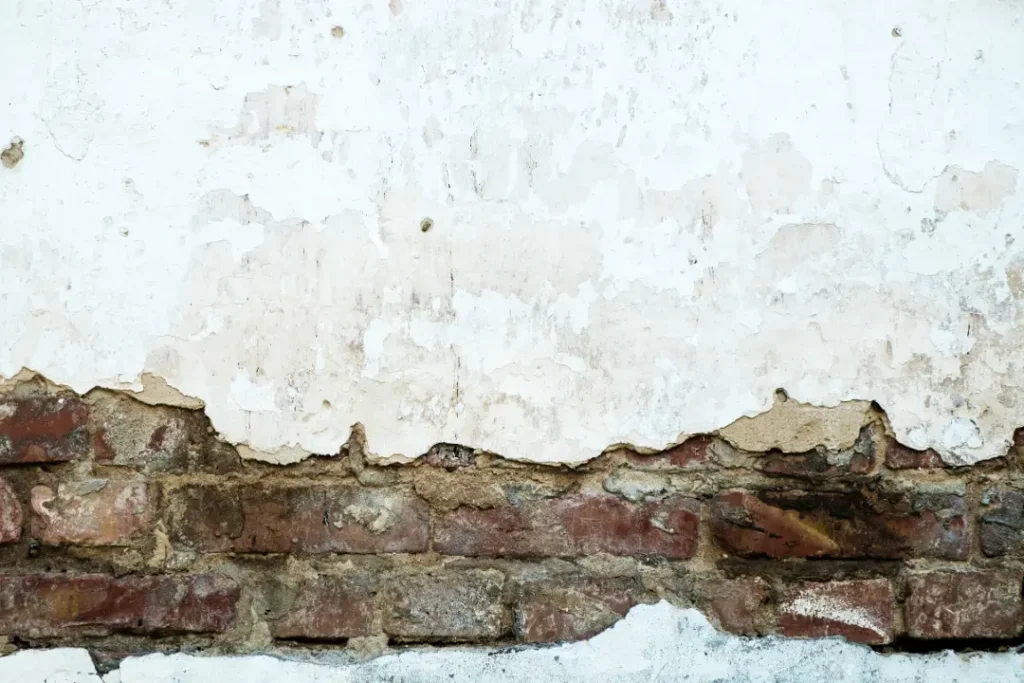
Understanding Damp Proofing Repairs

Why Finance Damp Proofing?

Securing financing for damp proofing work can greatly benefit you as a property owner. The substantial initial expense for these essential repairs can be burdensome for many households. Financing helps alleviate this burden by allowing you to spread the cost into manageable monthly payments, making it more affordable and reducing financial strain.

Having access to instalment plans for damp proofing services enables you to address critical issues promptly. By dividing the total cost into several months, you can protect your living space from moisture intrusion, thereby preventing further damage and mitigating health risks associated with dampness.

Financing also allows you to invest in high-quality damp proofing solutions, such as those offered by Environ Property Services. This approach ensures the preservation of your home’s structural integrity while enhancing its market value, all without jeopardising your financial security.

Finding Reputable Lenders

Securing financing from trusted sources is crucial when starting a damp proofing project. In the UK, choosing a lender listed on the financial services register is important to avoid high interest rates, hidden fees, or unreliable agreements.

Start by researching established credit brokers who can help connect you with the best funding options. These professionals work with only reputable lenders and can guide you through the financing process. Always verify their status as an introducer appointed representative to ensure compliance with regulatory standards.

Additionally, lenders conduct status and credit checks to determine your eligibility for financing. Understanding your personal credit profile beforehand will help you anticipate potential loan terms and interest rates.

To make an informed decision, request quotes from at least three lenders and carefully review their terms. This approach can help you avoid financial pitfalls.

The Application Process

Applying for financing requires gathering the right documentation and meeting lender requirements. Typically, you will need to provide proof of identity, proof of income (such as payslips or tax returns), and details about the property requiring damp proofing. Lenders may also request quotes from contractors to verify the estimated cost of the work. Depending on the loan type, your credit score and financial history will play a key role in determining eligibility and interest rates. Some lenders offer pre-qualification tools that allow you to check potential rates without affecting your credit score, making it easier to compare options.

Once you have selected a lender, the application process usually involves filling out an online or in-person application form, submitting required documents, and waiting for approval. The approval timeline varies, with some lenders offering same-day decisions while others may take a few days to process the application. If approved, the lender will outline repayment terms, including interest rates and monthly instalments. It’s important to read the terms carefully before signing, ensuring you understand any penalties for early repayment or missed payments.
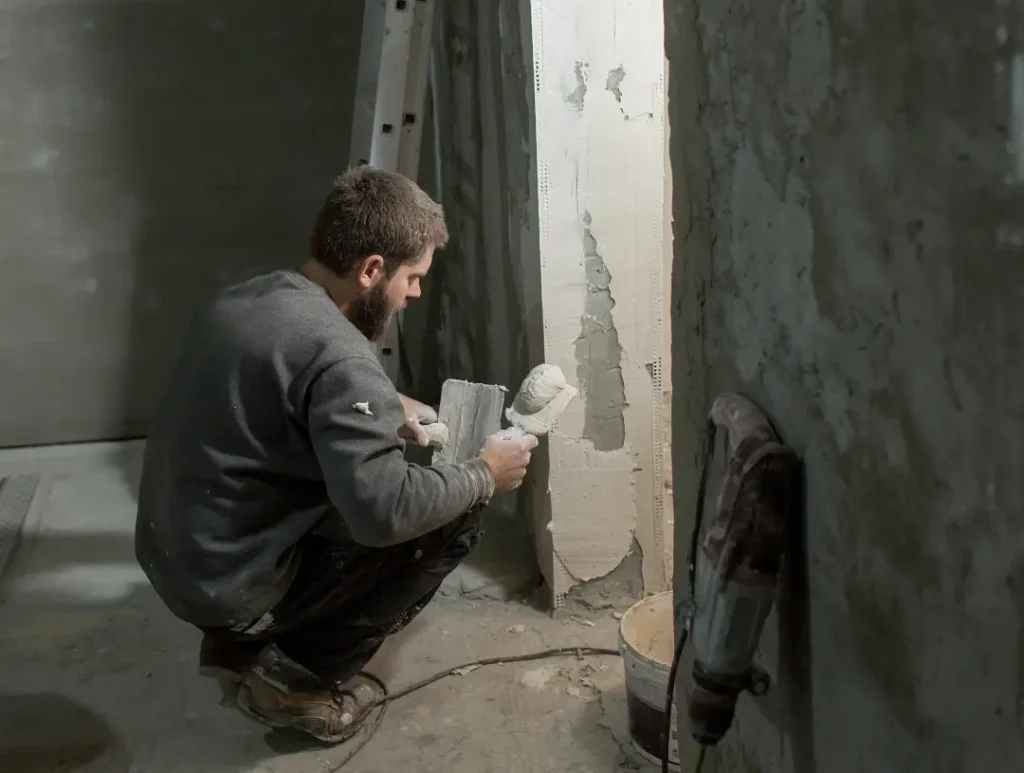
how to apply for financing for damp proofing services

Types of Finance Options Available

There are several financing options available for damp proofing in the UK, each with its own advantages. Personal loans from banks and credit unions are a common choice, offering fixed interest rates and structured repayment plans. Home improvement loans specifically designed for property repairs may come with more favourable terms as lenders understand the value added to the property.

For homeowners with sufficient equity, secured loans or remortgaging can provide larger loan amounts at lower interest rates, though they put the property at risk if repayments are missed.

Evaluating the total repayment cost, including interest and fees, will help you choose the most cost-effective financing option.

Why Choose Environ Property Services for Your Damp Proofing Needs?

When it comes to damp proofing, experience and precision make all the difference. At Environ Property Services, we offer expert damp proofing solutions tailored to the unique needs of your property. Our team of specialists conducts thorough assessments, identifying the exact source of moisture problems and providing long-term solutions that protect both your home’s structure and indoor air quality. With years of experience in the industry, we use the latest technology and materials to ensure long-lasting results that protect your property from further damage.

Beyond treating damp issues, we take a comprehensive approach to property care. From brick repointing and waterproofing to specialist conservation work, we use cutting-edge techniques and high-quality materials to ensure lasting results. Trust Environ Property Services to safeguard your home against damp, mould, and structural damage with industry-leading expertise.

Contact us today for a detailed assessment and take the first step toward a healthier, moisture-free home!

What We Offer & Why We’re the Best

At Environ Property Services, we do not just address damp issues—we prevent them from recurring. Here’s what distinguishes us:

  • Expert Diagnosis: Our specialists accurately identify and address all forms of damp, including rising damp, condensation, and penetrating moisture.
  • Tailored Solutions: We create customised treatment plans designed specifically for your property’s needs.
  • High-Quality Workmanship: We ensure long-lasting protection using advanced techniques and premium materials.
  • Comprehensive Services: We provide complete property care from damp proofing to brick restoration and waterproofing.
  • Trusted & Reliable: With years of industry experience, we have built a strong reputation for excellence and customer satisfaction.

Protect your home the right way. Choose Environ Property Services for expert damp proofing solutions that last.
Benefits of Using Environ Property Services

Summary

Damp proofing is a crucial undertaking for homeowners who want to protect their homes from moisture intrusion. It’s important to understand the various services available, seek out reputable contractors, and explore different financing options to manage costs effectively while maintaining your home’s integrity.

Investing in damp proofing can lead to significant benefits, such as improved indoor air quality and increased home value. Explore available financing alternatives today and take steps to strengthen the long-term security of your home’s foundation.

Frequently Asked Questions

How do I apply for a damp proof course?

To apply for a damp proof course, contact us to request a survey. This will ensure the appropriate assessment and installation can be handled efficiently.

Why should I finance my damp proofing project?

Opting to finance your damp proofing endeavour is a wise decision because it allows you to distribute the upfront costs into manageable monthly payments, thereby alleviating monetary strain. Taking this financial route enhances the accessibility of the project and ensures it remains economically feasible.

What types of finance options are available for damp proofing?

Various financing alternatives for damp proofing, including loans with adaptable repayment schedules and bank transfers customised to meet your economic situation, are available.

To secure the optimal funding arrangement for your endeavour, it is recommended that you investigate these available options.

What are the benefits of using Environ Property Services for damp proofing?

Using Environ Property Services for damp proofing guarantees professional and customised solutions alongside a strong focus on quality and detail that enhances the longevity and health of your property.
Red Flags to Watch Out For Before Hiring Damp Proof Contractor

Essential Checklist Before Hiring a Damp Proofing Contractor: Top Tips

Finding the right damp-proofing contractor is vital for safeguarding your home. This checklist before hiring a damp proofing contractor will help you identify key steps in choosing a reliable and qualified professional. It covers understanding your damp issues, verifying contractor experience, and reviewing their credentials so you can make an informed decision.

Key Takeaways

  • Understanding the specific type of damp issue is essential for effective treatment and long-term property protection.
  • Verify the contractor’s experience, qualifications, and reputation through references and online reviews to ensure quality service.
  • Always request detailed quotes and inquire about guarantees to avoid unexpected costs and secure peace of mind concerning future damp issues.

Assess the Damp Issue

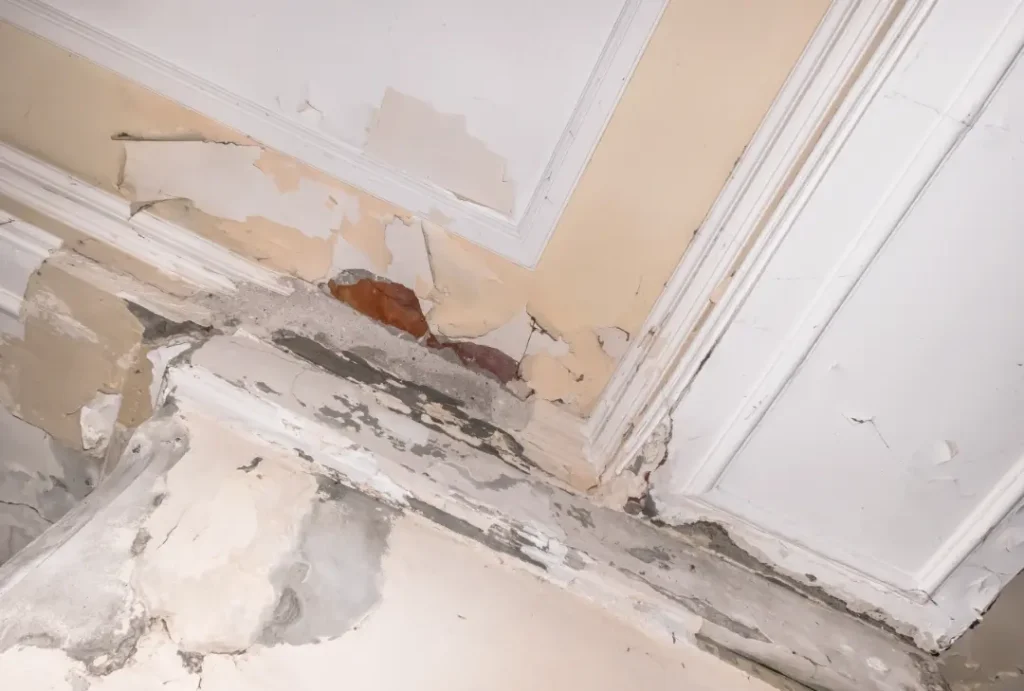
To effectively address a damp problem, it is crucial to understand its nature. There are three main types of damp issues: rising damp, characterised by tide marks and deterioration on skirting boards; penetrating damp, which manifests as moist patches on walls and ceilings; and condensation. Each type requires specific remedial actions to be properly resolved.

Moisture leading to dampness can come from various sources, including external issues such as faulty roof coverings or broken gutters and a lack of maintenance in window fittings. Prompt detection of these problems is essential to prevent rising damp and avert further structural damage. This highlights the importance of a thorough professional survey that identifies all potential causes of moisture ingress. At Environ Property Services, we conduct in-depth damp surveys using state-of-the-art moisture detection tools, ensuring precise identification of damp problems and effective solutions.

Hiring a certified specialist for your proofing needs is vital. They have the expertise to accurately diagnose the issue and recommend effective solutions to prevent damage and avoid costly repairs. Early intervention helps preserve your property’s integrity and creates a healthy living environment. Adopting comprehensive strategies tailored to your specific situation ensures lasting protection against future damp problems.

Assess the Damp Issue

Verify Contractor Experience and Expertise

The significance of experience cannot be overstated when selecting a professional damp-proofing contractor. The ability to apply various methods and treatments proficiently in the realm of damp proofing comes with years of practice, which is essential for the effective resolution of diverse damp issues.

Potential contractors should demonstrate an extensive background in the field, evidenced by a portfolio featuring projects similar to yours that were successfully completed. This showcases their aptitude for addressing your particular challenges associated with damp. It’s advisable to request references from their former clients. Such direct feedback can offer critical perspectives on the contractor’s dependability and work quality. With over a decade of expertise, Environ Property Services has successfully treated thousands of damp-affected properties, restoring them to a dry and healthy condition.

Exercise caution if you encounter contractors who hesitate to provide client references or display scant industry experience—such signs might forecast future complications. A reputable contractor will possess vast experience and the assurance necessary for substantiating their qualifications through tangible evidence.

Evaluate Reputation Through Reviews

In today’s digital age, a company’s online presence can significantly impact its reputation. It is essential to read online reviews to assess the trustworthiness and quality of service provided by damp-proofing contractors. Companies that receive numerous positive reviews typically demonstrate high levels of client satisfaction and reliability.

Consistent praise across various customer reviews is more informative than isolated compliments. Look for repeated mentions of qualities such as professionalism, cleanliness, and attention to detail. These characteristics indicate that a contractor takes pride in their work and respects the sanctity of their client’s homes. Our 5-star reviews at Environ Property Services reflect our commitment to top-notch damp-proofing solutions and customer satisfaction—proven by real clients who trust us.

On the other hand, it’s wise to be cautious of contractors who have consistently negative feedback. Frequent complaints about unprofessional behaviour, missed deadlines, or poor communication should raise red flags. You can often gauge a contractor’s responsiveness and professional demeanour by examining online evaluations.

Investigating the reputation that reviewers attribute to potential damp-proofing professionals could save you from future inconveniences or regrettable experiences.

Request Detailed Quotes

A comprehensive estimate is essential for understanding the full scope of work required and all associated expenses. When requesting estimates from proofing specialists, it’s important that they provide a detailed breakdown that includes suggested solutions, the materials to be used, and an expected timeline for project completion. This clarity allows you to make informed decisions and helps prevent unexpected costs in the future.

The price range for conducting surveys and evaluations related to damp treatments can vary. This cost depends on several factors, such as the type of damp issue encountered, the extent of damage to your property, and the specific treatment methods required. A thorough quote should encompass these variables and offer a clear depiction of anticipated expenses. We provide transparent quotes with no hidden fees, so you know exactly what you’re paying for when working with us.

Keep in mind that making decisions solely based on pricing may lead to suboptimal results. Instead, focus on the quality of service and the superiority of materials used throughout the intervention process.

Inquire About Guarantees and Warranties

Warranties and guarantees protect against potential future complications, offering assurance that the services rendered will endure over time. Dependable damp proofing contractors often provide guarantees encompassing all remedial work and insurance safeguards.

It’s important to question the extent and duration of these assurances. A more extended guarantee may signal a contractor’s faith in their craftsmanship and resources utilised. Yet, exercise caution when considering the lengthy warranties promised by newly established companies. There is a risk they might not be available later on to fulfil those commitments.

Inquire About Guarantees and Warranties

Assess Communication and Customer Service

When selecting a damp-proofing contractor, the foundation of any quality service lies in excellent communication and outstanding client care. Assess their level of professionalism by noting whether they are punctual, articulate clearly, and engage respectfully. It’s crucial that they respond to your queries promptly and with clarity.

The significance of straightforward and succinct information is frequently underscored in customer testimonials. Contractors who devote time to thoroughly explain their process and address all concerns tend to be associated with high-quality services.

Effective communication skills and superior customer service are vital when choosing a reputable provider among damp proofing company considerations. A contractor committed to these principles will likely handle your property meticulously while delivering the respected care it warrants.

Inspect Insurance Coverage

Ensuring that a damp-proofing contractor has adequate insurance coverage is essential. This insurance protects against financial liabilities that may arise from property damage or injuries sustained by individuals during the contractor’s work.

If the damp-proofing contractor employs staff, having employers’ liability insurance is essential. This type of insurance provides coverage for any work-related injuries that employees may experience. Additionally, investing in tools and equipment insurance can offer compensation in the event of theft or accidental damage to the specialised equipment needed for damp-proofing tasks.

It is important to be cautious when engaging contractors who do not have verified, valid insurance. Proper coverage is not just a procedural requirement; it is crucial for protecting the interests of clients and workers alike. Moreover, it helps ensure that your property remains safe and secure in the face of unexpected incidents.

Red Flags to Watch Out For

When embarking on the process of hiring a contractor, it’s critical to be alert for warning signs. For instance, aggressive sales techniques are often used to coerce you into making an immediate decision—this is definitely a red flag. Contractors who demand payment exclusively in cash might be aiming to evade leaving any financial records behind, which should raise your suspicions.

A lack of positive feedback or an absence of references may indicate issues with reliability. A recurring theme of negative experiences detailed in online reviews can reveal problems with the contractor’s professionalism and reliability. Beware if a contractor has received many reviews over a brief span—this could indicate involvement in deceitful practices.

Paying attention to these warnings is key to preventing substantial damage and guaranteeing that you engage a professional capable of pinpointing and remedying the core issue behind your damp problems effectively. Trust your gut feeling when choosing someone. Prioritise contractors who demonstrate openness and uphold high standards of professional conduct.

Red Flags to Watch Out For Before Hiring Damp Proof Contractor

Why Choose Environ Property Services?

Environ Property Services distinguishes itself through a steadfast dedication to excellence and professionalism. We offer an array of restoration services suitable for both residential and commercial properties, adeptly handling everything from sensitive historical preservation to substantial structural fixes by blending time-honoured techniques with cutting-edge technology for superior outcomes.

When it comes to damp proofing, experience and expertise matter. Our team of certified damp proofing specialists brings years of industry knowledge to accurately diagnose and resolve all types of damp issues, from rising damp to condensation. We use cutting-edge technology and industry-approved methods to provide long-term, effective solutions that protect your home from moisture damage.

Beyond expertise, we prioritise transparency and customer satisfaction. From the initial assessment to project completion, we provide clear, detailed quotes with no hidden costs. Our friendly team is always available to answer your questions, ensuring you feel confident and informed throughout the entire process.

We Provide Quality Dampproofing for Lasting Protection

We don’t just fix damp problems—we provide lasting protection. Our London damp proofing solutions ensure you receive a service that stands the test of time. Whether it’s waterproofing walls, installing damp-proof membranes, or addressing ventilation issues, we deliver results that keep your property safe, dry, and structurally sound for years to come.

Our reputation speaks for itself, with countless satisfied clients who trust us for our high-quality workmanship and dependable service. We are fully insured, accredited, and committed to providing the best possible experience for every customer. With us, you get peace of mind and the long-term health of your property. Request a quote today.

Frequently Asked Questions

What is checked in a damp survey?

A damp survey is essential for detecting and assessing the level of moisture in a property, pinpointing any resultant damage, and proposing solutions to tackle and alleviate the damp issue.

Recognising these aspects is vital for preserving your property’s structural integrity.

What are the requirements of damp proofing?

Damp proofing requires external walls to be at least 150mm above ground level and continuity with any damp-proof membrane in the floor to prevent moisture ingress.

Additionally, it should be at least 225mm above the bottom of a cavity wall unless a cavity tray is used.

What are the common types of damp issues?

Several prevalent damp problems exist, such as rising damp, penetrating damp, and condensation. Each requires distinct corrective measures for successful resolution.

It is essential to accurately determine the exact kind of damp issue present to ensure that it receives the appropriate treatment.

Why is it important to hire an experienced damp-proofing contractor?

Securing the services of a skilled damp proofing contractor is essential. They have specialised knowledge in accurately identifying and addressing damp problems, safeguarding your property from additional harm.

The expertise of such a contractor guarantees a durable resolution that will preserve the value of your investment.

Conclusion

Choosing the appropriate damp-proofing contractor for your property is a crucial step that requires careful consideration. The provided checklist offers vital advice to help guide you through the hiring process, including examining the extent of any damp issue, confirming the experience level of contractors, and verifying their qualifications.

Investigate potential contractors’ reputations by looking at reviews and insist on receiving detailed quotes with strong guarantees. It is important to prioritise excellent communication skills and customer service from your contractor and ensure they have adequate insurance coverage.

By adhering to this thorough checklist, you can confidently make an informed decision that will safeguard your home against the detrimental effects of dampness. With thoughtful selection based on these guidelines, your home will stay dry and structurally secure into the future.

Addressing Stubborn Paint Residue

Best Methods on How to Remove Paint from Bricks

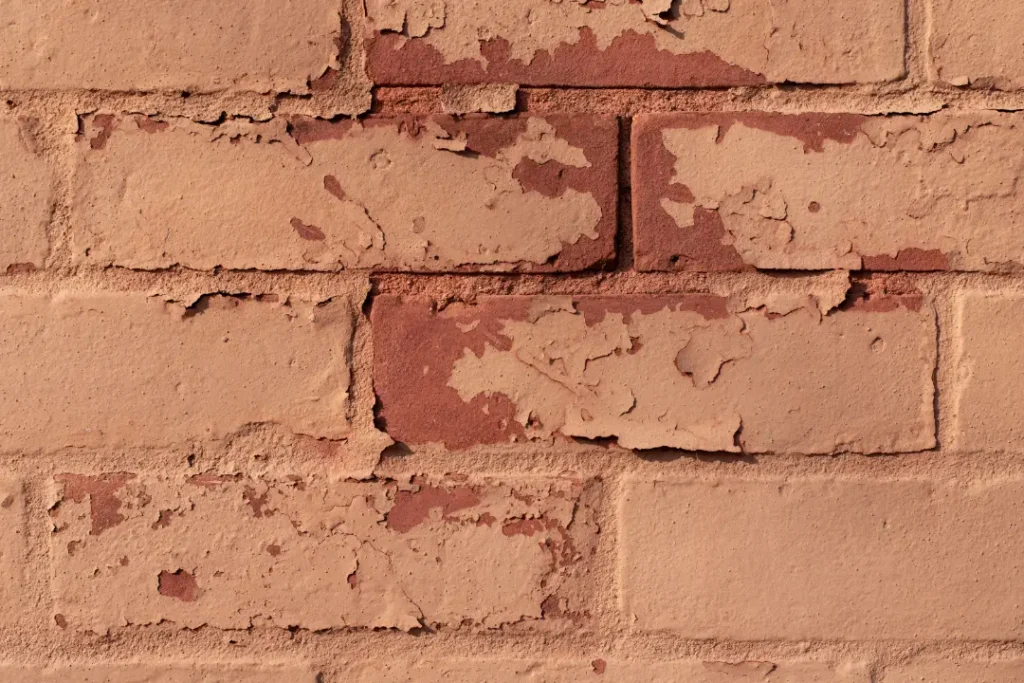
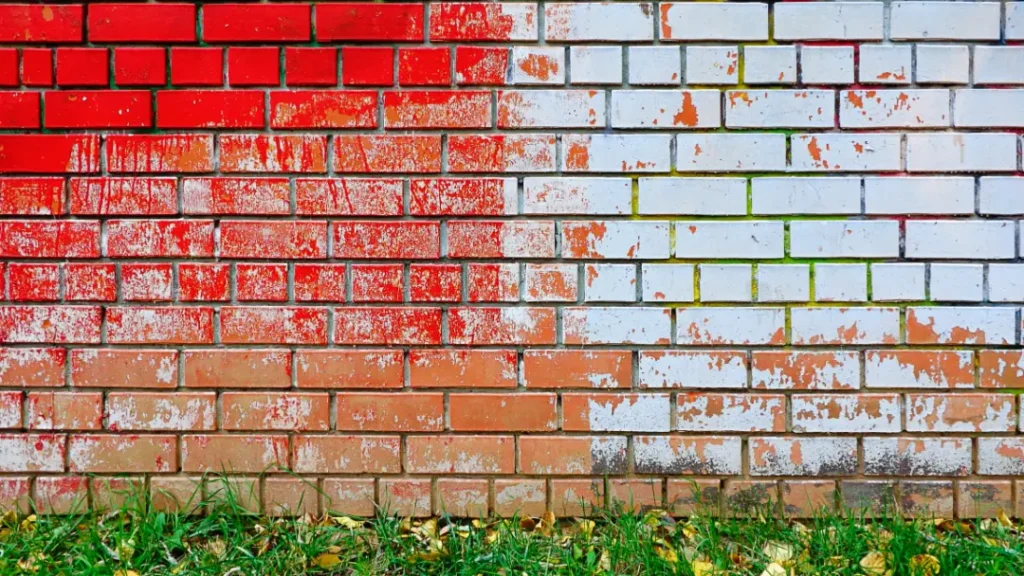
Removing paint from bricks is tricky because of the brick’s porous nature, which can make it tough to get all the paint out.

This guide will cover effective methods for removing paint from bricks and restoring your bricks without damage. Whether you need to remove paint from an exterior wall or an indoor surface, you’ll find step-by-step solutions here.

Key Takeaways

  • Removing paint from bricks requires tailored methods due to the porous nature of the material and the type of paint used.
  • Essential tools for paint removal include heavy-duty paint strippers, brushes, and safety gear to ensure effectiveness and protection.
  • Testing a small area first is crucial to assessing the effectiveness of the chosen removal method and protecting the integrity of the brick.

Understanding the Challenges of Removing Paint from Bricks

Removing paint from brick surfaces can be quite challenging. Due to the porous surface of bricks, paint may penetrate deeply, making it difficult to extract completely without damaging the material. Bricks are often painted with masonry paint, which is designed to create a strong bond with the surface. This robust attachment requires effective yet safe removal techniques to ensure that the bricks remain intact.

To safely remove paint, several variables must be considered: the type of paint used, the age and condition of the brickwork, and the environmental context. Each of these factors influences the paint removal process. For instance, exterior brick surfaces exposed to the weather may have different needs compared to interior bricks. Therefore, there is no one-size-fits-all solution; each situation requires a tailored approach to strip away unwanted layers without causing damage.

It is essential to prioritise testing before committing to refinishing the entire project. Begin with preliminary checks, especially by conducting trials on small, discrete sections. This allows you to identify any unexpected issues, such as existing blemishes or structural weaknesses. Small-scale examinations help confirm the effectiveness of your chosen strategy, ensuring that you achieve the desired results without compromising the integrity of the bricks, whether on your property’s exteriors or interiors.

Challenges of Removing Paint from Bricks

Essential Tools and Materials for Paint Removal

For a successful paint removal endeavour, it is essential to have the appropriate tools and supplies at hand, beginning with protective gear. Assemble safety glasses, gloves, a respirator mask, and clothes that resist chemicals to protect against the potential hazards of paint strippers.

Be sure you are well-equipped with the right paint stripper. Use a stiff brush for scrubbing action, and lay down drop cloths or plastic sheeting to manage any spillage while safeguarding nearby spaces.

To keep certain areas unaffected by the paint remover application intact, apply the painter’s tape meticulously. Thorough preparation not only safeguards your well-being but also significantly boosts the efficiency of stripping away unwanted paint from surfaces.

Preparing Your Workspace

Creating a secure and effective environment is essential for the removal of paint. Protect adjacent areas by laying down tarps or plastic coverings and securing their perimeters with tape to confine dust and debris from paint chips, particularly when dealing with vertical sections or complex patterns on brick surfaces.

When working with strong chemicals like muriatic acid or industrial-grade paint strippers, it is essential to ensure good airflow to help dissipate harmful fumes and create a safer environment. Keeping your workspace tidy reduces the risk of accidents and increases productivity.

Make sure to securely anchor the ends of dust cloths or protective tarps to prevent them from moving around. After pressure washing, promptly dispose of any leftover paint fragments to prevent them from sticking to other surfaces. This will help ensure a smooth and efficient completion of your project.

Testing a Small Area First

Before fully committing to the paint removal process, it’s essential to evaluate the performance of your chosen paint stripper on brick surfaces by applying it to a modest section. Monitor this area for any reactions that may reveal pre-existing damage or flaws in the brick wall.

Conducting this preliminary test will help you better estimate the amount of work involved in your endeavour. This will enable you to devise a strategic plan and set realistic expectations regarding the overall project.

Embarking on a small-scale trial assures that your selected method is efficient and harmless for your brick surfaces, allowing you to move forward confidently when tackling larger areas.

Testing a Small Area First

Using Paint Stripper Effectively

Utilising a paint stripper correctly is essential for safely removing paint from brick surfaces without causing harm. Begin by chipping away any loose masonry paint to promote better stripper attachment. Apply an appropriate brick-safe paint remover, making sure it penetrates all cracks and crevices. For vertical areas, gel strippers are often preferred due to their superior sticking capability.

Allow the applied paint stripper to sit on the surface for its recommended duration, which can range from several minutes up to a full day, depending on the specific product used. Following this period, strip off loosened layers and employ either a trowel or stiff-bristled brush to scrape away lingering flakes. Should persistent residue remain, use a tough brush or carry out another round of treatment.

For thickly painted sections where removal proves more challenging, you may need several applications of a stripping agent. It’s always wise to treat just a modest section as an experiment in order to estimate how much labour will be required and achieve optimal outcomes.

By adhering closely to these guidelines while paying attention to instructions provided by manufacturers, you can execute an effective, secure technique for erasing paint and bricks, ensuring a comprehensive safeguarding process throughout the process.

Alternative Methods for Paint Removal

Various methods are available for removing paint from bricks, with paint strippers being one effective option. Depending on the kind of paint you’re dealing with and the state of your bricks, other strategies, such as pressure washing combined with green-friendly additives or applying vinegar coupled with a scrub brush in more confined spaces, might be preferable due to their non-toxic nature.

Pressure Washing

Pressure washing is popular for removing paint from brick surfaces, especially large-scale projects. Combining high-pressure water with eco-friendly additives effectively blasts away paint without damaging the brick. This method is particularly useful for exterior brickwork or full house paint removal but must be used carefully.

Though effective, pressure washing can be expensive if you rent or purchase equipment and additives. Despite the cost, its efficiency and thoroughness make it worth considering for extensive paint removal projects.

Natural Solutions: Vinegar and Scrub Brush

Using a blend of vinegar and water provides an environmentally friendly, non-harmful option for eliminating paint from minor brick surfaces. Create a solution with equal measures of both liquids, coat the painted brick section with it, and employ a rigid brush to scrub meticulously. This technique particularly benefits smaller sections or detailed brickwork areas requiring careful attention.

Following the scrubbing action, cleanse the area thoroughly with water to clear out any leftover traces of vinegar mixture and paint residue. This organic approach safeguards the inherent charm of your brick while guaranteeing a secure removal process free from harsh chemicals.

Addressing Stubborn Paint Residue

Even after employing various methods and paint strippers, tough paint residue can linger. For stubborn patches, several coats of a paint stripper—typically two to three—are required. The gel paint stripper excels in tackling these tenacious areas.

When faced with highly resistant patches of tricky paint, using tools such as a wire brush or a drill attachment may be necessary to remove the remaining bits.

Addressing Stubborn Paint Residue

Cleaning and Restoring Brick Surfaces

Following the removal of paint, cleaning and rejuvenating your brick surfaces is essential. To get rid of any remaining residue on the brickwork, bathe it with warm water. Employ a stiff-bristled brush to scrub away persistent debris, and then wash off any residual cleaner or gel with another round of warm water.

Ensuring that you clean and seal the brick after stripping away the paint safeguards against moisture damage while preserving its renewed aesthetic appeal. Proper maintenance of bricks by cleaning and restoration guarantees they maintain their prime appearance for an extended duration, regardless of whether they’re part of an outside wall or within a snug brick fireplace setting.

Professional Brick Paint Removal for Lasting Restoration

Environ Property Services is your trusted expert in paint removal from bricks, providing a flawless restoration that maintains the original beauty and integrity of your property. Whether you are dealing with thick layers of stubborn masonry paint or deteriorating coatings that are harming your brickwork, our professional team uses industry-leading techniques to strip paint effectively without causing damage.

Using DOFF steam cleaning and other specialised and tailored techniques, we guarantee a thorough, damage-free process. Unlike DIY methods that can cause long-term harm, our specialists assess the age, condition, and paint type to tailor the best removal approach, ensuring your bricks remain strong and breathable.

Revitalise your London property today. Contact us to request your quote.

Comprehensive Brick Cleaning & Restoration Services

Removing paint is just the beginning—we ensure your brickwork is left in pristine condition through repointing, brick repairs, and exterior restoration services. Years of trapped moisture and hidden damage beneath layers of paint can weaken your walls. At Environ Property Services, we not only strip away paint but also repair eroded mortar, address damp issues, and apply breathable treatments that safeguard your home for the future.

Our insurance-backed guarantee provides peace of mind, knowing your property is in expert hands. Whether your home is a period property needing careful conservation or a modern structure requiring a sleek update, we have the expertise to deliver exceptional results.

Don’t let damaged brickwork lower your property’s appeal. Call us today and let our skilled team give your home a striking transformation with our professional brick paint removal services.

Frequently Asked Questions

What solvent removes paint from brick?

Muriatic acid and paint thinners, such as porous graffiti removers, are effective solvents for removing paint from brick.

Allow the solvent to penetrate before rinsing it off for best results.

Why is it important to test a small area before removing paint from bricks?

Before proceeding with the removal of paint from the brick, it is essential to conduct a trial on a small section. This will verify that the chosen paint stripper works well and that the bricks can withstand the procedure without suffering harm.

Carrying out this test can also bring to light any underlying problems that might require consideration.

What protective gear should I use when removing paint from bricks?

When removing paint from bricks, you should wear protective eyewear, gloves, a breathing mask, and chemical-resistant clothing to safeguard against harmful chemicals.

Ensuring your safety with the right gear is crucial during this process.

How can I deal with stubborn paint residue that won’t come off?

To effectively remove stubborn paint residue and restore its natural beauty, apply multiple layers of paint stripper and follow up with a wire brush or drill attachment.

Spot treating with a stripping gel can also target any remaining spots for a thorough clean.

Conclusion

The process of removing paint from brick surfaces can be both demanding and satisfying. It’s essential to grasp the specific difficulties involved and apply suitable tools and methods to successfully bring back the bricks’ inherent charm. The use of various paint strippers, alternative techniques for eliminating stubborn remnants, and cleaning up afterwards are all critical stages that contribute significantly to obtaining optimal outcomes.

Environ Property Services excels in eliminating paint from bricks, upholding the masonry’s integrity at every step. By leveraging our skilled professionals, you are spared from spending extensive time and labour as we deliver meticulous and pristine outcomes which might be challenging to replicate independently.

Making an Insurance Claim for Damp Proofing Repairs

Can I Get Insurance Coverage for Damp Proofing Repairs?

Can I get insurance coverage for damp proofing repairs? Many homeowners hope their policy will cover these costs. This guide will help you understand if your insurance includes damp proofing and what steps to take.

Key Takeaways

  • Damp proofing is essential for preventing moisture ingress and protecting property from rising damp, particularly in older buildings.
  • Home insurance may cover damp-related damage only if it results from sudden incidents. It typically does not cover the costs of damp proofing measures due to expected regular maintenance by homeowners.
  • Timely documentation and prompt reporting of damp issues are crucial for successful insurance claims, supported by professional damp surveys to substantiate the extent of damages.

What is Damp Proofing?

Damp proofing serves as a defensive strategy to shield structures from the encroachment of moisture and the ascent of rising damp. Older buildings often face challenges with rising damp, which stems from ground moisture ascending through internal or external walls due to an absence or failure of a damp proof course or membrane, heightened soil levels surrounding the property, or poor drainage systems. The application of a dedicated damp proof treatment can bolster defences against such moisture ingress. A professional damp survey is vital for early identifying signs of rising damp and related issues, allowing for effective management.

Property owners bear the responsibility of preventing damp issues by regularly maintaining their buildings. Neglecting this duty can lead to excessive humidity inside the structure, resulting in serious problems such as mould growth and potential structural damage.

Properties must have either an intact physical damp proof membrane (DPM) or an effective damp proof course (DPC) to prevent outside moisture from infiltrating. This helps keep both the internal and external walls dry and free from persistent damp conditions. If existing damp-proof measures are missing or inadequately installed, various issues can arise, including penetrating damp and typical cases associated with rising damp. 

Understanding Damp Proofing Repairs

Types of Damp Proofing Methods

Various strategies exist to address rising damp and associated moisture issues, each tailored for specific situations and offering unique advantages. A prevalent approach is the placement of a damp-proof membrane beneath flooring surfaces as an impervious shield against humidity. These membranes consist of durable, pliable polyethylene sheets situated under floors to block the entry of moisture.

Injection techniques are another widespread method for infusing walls with damp-proofing substances. For example, where a damaged or absent damp proof course exists, it can be rectified by injecting a specially formulated damp proof cream into strategically drilled holes within the masonry. This newly created barrier effectively stops ascending moisture in its tracks within wall structures.

Given that older constructions often lack sufficient measures against moisture ingress, they stand at a higher risk of experiencing problems related to rising damp. By implementing these modern-day solutions for damping-proofing residences, property owners are able to take preventive action against water damage, which helps preserve both their homes’ longevity and structural soundness.

Is Damp Proofing Covered by Home Insurance?

Insurance policies for homes often include protection against various kinds of harm, among which are issues pertaining to dampness. Comprehending the extent of this coverage can be complex. If damage caused by damp arises abruptly due to events like pipes bursting or extreme weather conditions, then insurance may cover it. Conversely, should your home suffer from damp problems gradually over time because of inadequate upkeep or wear and tear, you may find that your insurance provider will not pay out.

It’s critical to grasp that while certain damages linked with damp could be insured under your policy, significant restrictions and caveats typically exist. It is commonly anticipated that homeowners undertake routine property maintenance. Expenses related to repairs for damp proofing might not be claimable on home insurance policies. Being aware of how your insurance addresses these matters can prevent considerable inconvenience and financial burden in future situations.

Investigating the particular circumstances in which damage from damp is insurable—including understanding prevalent exceptions and limitations—is recommended for all policyholders so as to ensure clarity about what protections their coverage truly offers.

Is Damp Proofing Covered by Home Insurance?

What is the Coverage for Damp-Related Damage?

Home insurance policies may provide assistance for damages related to damp. For example, if mould caused by dampness suddenly appears following an incident such as a leak or burst pipe, it might be covered.

Nevertheless, if mould and problems associated with dampness are not reported or resolved quickly enough, insurers may deem them as deterioration due to wear and tear. This interpretation often leads to the denial of claims and underscores the necessity of addressing issues without delay. Rising damp is capable of inflicting aesthetic damage on walls alongside more serious impacts like brickwork compromise or decay within timber floor joists.

Therefore, in order to prevent moisture from seeping in—essential in effective damping proofing—you must remain alert and swiftly inform your home insurance provider regarding any arising concerns about dampness within your property. Such vigilance ensures a smoother process when filing claims.

Exclusions and Limitations

The majority of home insurance policies exclude coverage for the fitting or fixing of measures against rising damp. Building insurance commonly regards rising damp as a form of gradual deterioration, which falls outside the scope of protection offered. Hence, it is imperative to scrutinise your policy documents carefully to verify what aspects, if any, pertaining to repairs for damp proofing are covered before proceeding with a claim.

How to Make an Insurance Claim for Damp Proofing Repairs

In the process of filing an insurance claim for repairs related to damp proofing, meticulous record-keeping is essential. 

Making an Insurance Claim for Damp Proofing Repairs

Alt Tag: Making an Insurance Claim for Damp Proofing Repairs

Steps to File a Claim

When initiating an insurance claim for repairs related to damp proofing, it is critical to compile a detailed record of the damp problems. This includes taking photographs and creating comprehensive documentation to reinforce your claim. It’s important to promptly inform your insurer of any issues with damp in order to mitigate potential obstacles throughout the claims procedure.

To prevent having your claim denied because of postponements, report any issues with moisture without delay. Maintaining openness by swiftly communicating with your insurer regarding any concerns you encounter with damp can help avoid denials of coverage and guarantee you receive the protection promised under your policy.

Working with Surveyors

A damp survey conducted by an independent specialist can be instrumental in validating your insurance claim, as it meticulously documents the severity of the damp damage. Conducting such a survey prior to filing your claim is crucial for identifying both the extent of harm caused and its root causes. These professionals deliver thorough reports that bolster your case when presenting it to insurers.

Employing independent experts in damp surveys ensures they accurately identify what has led to and how extensive the problems are, offering vital proof for insurance claims. The precise and detailed data provided by these specialists play a critical role in enhancing the likelihood of success for your insurance claim regarding issues with damp.

At Environ Property Services, we provide expert damp surveys in London, helping homeowners like you and businesses detect, assess, and document damp-related problems with precision. Our professional surveys ensure you receive accurate reports that can be used for insurance claims, property purchases, or remedial work planning.

Preventive Measures and Their Impact on Insurance Premiums

By taking preventive steps, you can markedly decrease your insurance costs due to a diminished likelihood of claims. Insurers value the lower risk presented by properties that are kept in good repair and often offer reduced premiums to homeowners who proactively maintain their homes.

Benefits of Regular Maintenance

Regular maintenance of a property helps prevent small problems from becoming major ones, which in turn reduces the likelihood of expensive repairs. By keeping up with routine care, not only is the longevity of the property increased, but also significant damp-related issues that could lead to higher insurance premiums are lessened.

If the soil surrounding a building is not graded correctly, it can negatively impact the effectiveness of damp-proofing systems. Properly addressing such issues ensures that these damp-proofing solutions continue to function properly and prevent extensive and costly damage repair in the future.

Reporting Issues Early

Should you detect indications of damp within your residence, promptly determining the variety of damp present is essential. Immediate measures should be taken to rectify the problem. It’s critical to swiftly report any problems related to dampness to your insurance provider because postponements might lead to claim denials.

Neglecting early reporting of issues pertaining to dampness can cause insurance claims to be declined on account of inaction within a timely manner. Speedy communication emphasises the importance of confronting problems associated with damp at their onset in order not only to address them but also to safeguard your entitlements under your insurance policy.

Environ Property Services: Your Partner in Damp Proofing

Environ Property Services addresses damp-related problems using sophisticated methods and skilled personnel to deliver impactful resolutions. Our expertise in extensive damp proofing specialists is drawn from years of effectively combating such issues.

If you require a detailed damp survey or specific interventions for rising damp and other types of damp issues, Environ Property Services provides customised strategies suited to your property’s unique requirements. Our expert team works meticulously to safeguard your home against the detrimental effects of moisture intrusion.

Expertise in Heritage Building Restoration

At Environ Property Services, we are dedicated to the conservation of historic structures, combining contemporary damp-proofing practices with the preservation of their original essence. By integrating age-old restoration procedures and cutting-edge approaches to damp proofing, we uphold standards set for safeguarding heritage sites.

We employ sophisticated damp-proofing techniques that honour and protect the distinctive features of historical buildings. This not only retains their aesthetic appeal but also safeguards their structural integrity.

Summary

Implementing damp proofing is a crucial step in protecting your property from the harmful effects of moisture. While home insurance may cover some types of damage caused by dampness, it is important to understand there are significant limitations and exclusions in these policies. Taking preventive measures and regularly maintaining your property not only safeguards your home but can also result in lower insurance premiums.

Working with experienced professionals like Environ Property Services provides excellent protection against damp-related issues in your home. Our comprehensive range of solutions, along with our expertise in restoring heritage buildings, makes us the ideal choice for preserving the integrity of your property.

Frequently Asked Questions

Does damp proofing come with a guarantee?

Damp proofing typically comes with a guarantee, often for a period of 20 years, depending on the specialist.

Will my insurance cover damp proofing for rising damp?

Insurance rarely covers damp proofing, as damp problems generally fall under maintenance. Rising damp covered by insurance is uncommon unless caused by a sudden event, like a burst pipe. Issues with cavity wall construction or damp walls on internal or external walls are usually excluded. Check your policy for details.

What is damp proofing, and why is it important?

Damp proofing is essential for protecting buildings from moisture and rising dampness, which helps maintain the structure’s integrity and prevent mould growth and other damage.

Implementing this preventative measure is vital for the longevity of your property.

Are damp proofing repairs covered by home insurance?

Home insurance usually does not include coverage for repairs related to damp proofing if the issue arises from gradual deterioration or is due to insufficient maintenance.

Instead, home insurance policies tend to cover damage that occurs as a result of unexpected events, like pipes bursting.

How can preventive measures impact my insurance company premiums?

By taking preventive actions to decrease the likelihood of claims, you can reduce your insurance costs, since insurers recognise that properties that are well looked after present a lower risk.

Putting money into preventative strategies is advantageous not only for ensuring safety, but also for economic savings.